


David
Patient Details:
David Lopes Hair Transplant Results
Patient Details
David Lopes spent years trying to manage his hair loss himself. It took a routine haircut to convince him that maybe the next thing he needed wasn’t another product. It was an answer.
David first noticed his hair thinning in his mid twenties. At first, he didn’t give it much thought. But the hair loss didn’t stay where it was. As he got older, it became progressively more noticeable, and David began trying different over the counter hair loss treatments in an effort to stop what was happening.
He wasn’t getting the result he wanted.
“I was becoming frustrated,” David said. At 36, the Swansea, Massachusetts baker felt too young to be losing his hair, and the progression was beginning to affect the way he felt about his appearance.
Then came an ordinary haircut that changed the direction of the story. David’s hairstylist suggested that instead of continuing to experiment on his own, he should have his hair loss professionally evaluated. David took the advice and scheduled a consultation at the former Cranston, Rhode Island office of Leonard Hair Transplant Associates.
He was nervous when he arrived. That changed once he understood what was happening and what could realistically be done about it.
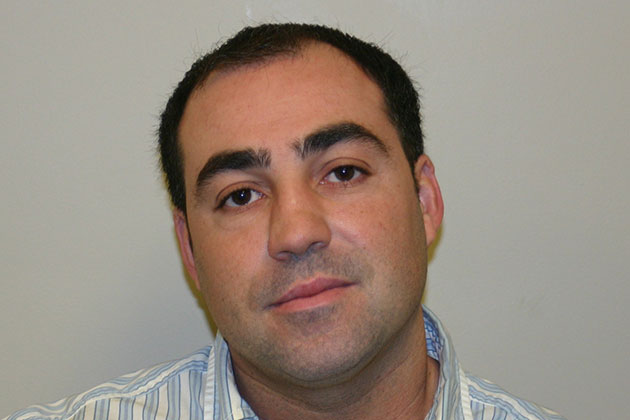
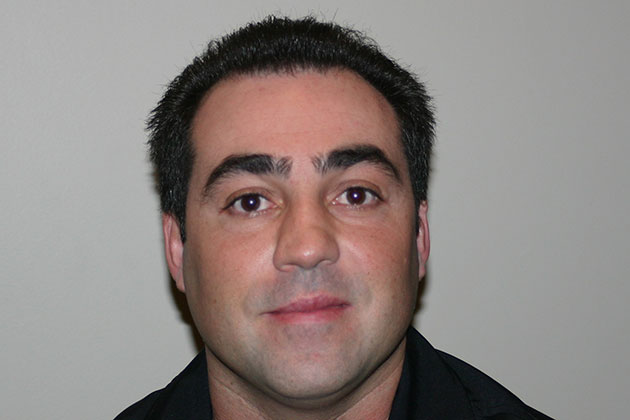
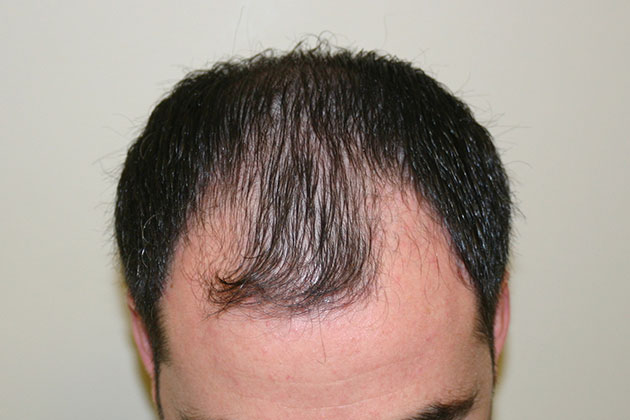
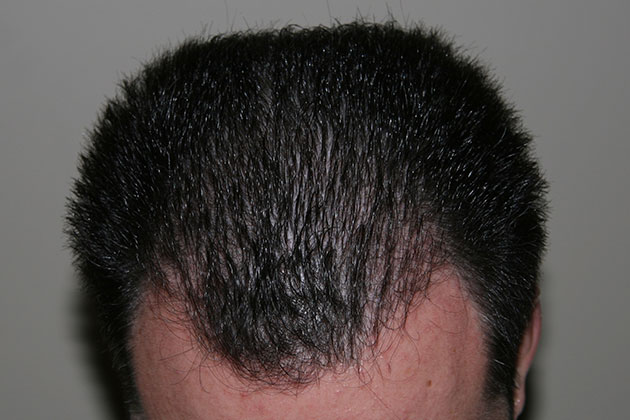
David ultimately underwent an FUT hair transplant to restore hair toward the front of his scalp, where male pattern hair loss had produced permanent loss.
For years, David had been trying products.
The consultation finally gave him a diagnosis and a plan.
When Should You See a Hair Loss Specialist?
You should consider having your hair loss professionally evaluated when thinning is persistent or progressing, when you are developing visibly thinner or bald areas, or when treatments you have tried on your own are not producing the improvement you expected.
David’s experience is a good example. His hair loss began in his mid twenties and continued getting worse as he aged. Instead of immediately seeking an evaluation, he tried different over the counter products. By 36, he was frustrated because the underlying problem was still progressing.
The important question when someone notices hair loss is not simply, “What should I buy?” It is “Why am I losing my hair?”
Hair loss can have different causes, and the appropriate treatment depends on what is actually happening. For someone experiencing common genetic male pattern hair loss, there may also be an important distinction between existing hairs that are becoming progressively smaller and areas where follicles have already been permanently lost.
Those situations are not necessarily treated the same way.
David spent years looking for the right product.
What he eventually needed was the right question.
What Should You Do if Over the Counter Hair Loss Treatments Aren’t Working?
If over the counter hair loss treatments are not producing the improvement you expected, the next step should be determining the cause and extent of your hair loss rather than continually switching from one product to another.
That does not mean every nonprescription hair loss treatment is ineffective. Minoxidil, for example, is an established treatment that may help appropriate patients with certain types of hair loss. But no single product is appropriate for every person, every cause of hair loss or every stage of progression.
David’s frustration came from trying different approaches without getting the result he wanted while his hair continued to thin. Once he was evaluated, his hair loss was identified as male pattern baldness with permanent loss toward the front of his scalp.
That changed the conversation. Instead of asking which bottle might work next, David could discuss what options were appropriate for the hair he still had and what could be done about the hair that had already been permanently lost.
Hair loss marketing can make the solution sound like a shopping decision.
Sometimes the smarter move is to stop shopping and start diagnosing.
Can a Hairstylist Tell if You Are Losing Hair?
A hairstylist may notice changes in hair density or scalp visibility because they regularly see and work with the hair at close range, but a hairstylist cannot medically diagnose the cause of hair loss.
David’s hairstylist played an important role in his story because a routine haircut became the moment when he decided to stop managing the problem entirely on his own. The suggestion was simple: have the hair loss evaluated.
Hairstylists can sometimes be among the first people to notice changes because they repeatedly see the same head of hair from angles the person may not regularly see in the mirror. They may notice that the scalp is becoming easier to see, that certain areas feel less dense or that the way the hair needs to be styled has changed.
Recognizing a change, however, is different from determining its cause. Progressive thinning can occur for different reasons, and treatment decisions should be based on a medical evaluation rather than an assumption made from appearance alone.
David’s hairstylist didn’t need to diagnose him.
The useful advice was knowing when to send him to someone who could.
What Is Male Pattern Hair Loss?
Male pattern hair loss is a common form of progressive genetic hair loss in men in which susceptible follicles gradually produce finer, shorter hairs and may eventually stop producing cosmetically useful hair.
David’s hair loss began in his mid twenties and progressed as he got older. By the time he sought treatment at 36, permanent loss toward the front of his scalp had become significant enough that hair transplant surgery was recommended.
Understanding that progression helps explain why someone can still have hair while clearly losing it. Genetic hair loss does not necessarily happen all at once. Hair can gradually become finer and provide less coverage over time, making the scalp increasingly visible before an area becomes substantially bald.
It also explains why timing and diagnosis matter. Treatment intended to help maintain existing susceptible hair serves a different purpose from hair transplant surgery, which relocates appropriate permanent donor follicles into areas where hair has already been lost.
David had spent years watching the symptom.
His evaluation identified the process behind it.
Why Was FUT Hair Transplant Surgery Used for David?
David underwent FUT hair transplant surgery to move his own donor follicles from the permanent donor region into the frontal area where male pattern hair loss had resulted in permanent loss.
With FUT, a narrow strip of donor tissue is surgically removed from the donor region. The follicular units within that tissue are then carefully prepared for transplantation into the areas being restored. The donor incision is closed with sutures and heals with a linear scar that is typically concealed by surrounding hair when sufficient length is maintained.
David’s procedure belongs to an earlier period in the practice’s history, but FUT remains one of the surgical techniques used in hair restoration today. FUE provides another method of obtaining donor follicles, and the appropriate technique depends on the individual patient’s donor characteristics, goals, hairstyle preferences and surgical plan.
The important part of David’s story is not simply which technique was used.
For years, he had been trying to make thinning hair behave differently.
Surgery addressed hair that was no longer there.
What Can Patients Learn From David Lopes’ Hair Transplant Results?
David’s experience shows why progressive hair loss deserves an evaluation when repeated attempts to manage it on your own are leading to more frustration than answers.
He first noticed hair loss in his mid twenties and was 36 by the time he underwent treatment. During those years, he tried different products while the loss continued progressing. A suggestion from his hairstylist finally prompted him to find out what was actually happening.
David was initially nervous about the consultation and procedure, but later described his experience very differently.
“Dr. Leonard and his staff put me right at ease,” David said. After seeing his result develop, he became comfortable enough with his decision that something else changed too. At first, David did not want other people knowing he had undergone a transplant. Later, he said he openly told people about it.
His result was his individual experience and cannot predict what another patient will achieve. But the sequence leading to it is useful for anyone currently cycling through products while their hair continues getting thinner.
There comes a point when another treatment off the shelf may not be the most useful next step.
Sometimes you need to know what you’re treating first.
Where Can Swansea and Southeastern Massachusetts Patients Have Hair Loss Evaluated?
Patients from Swansea and southeastern Massachusetts can have hair loss evaluated nearby to determine its likely cause, the extent of permanent loss and whether medical treatment, hair transplant surgery or another approach may be appropriate.
David’s geography makes his case particularly relevant to this part of New England. Swansea sits close to the Rhode Island border, and David originally traveled to the practice’s former Cranston office for his consultation and treatment.
Today, Leonard Hair Transplant Associates has a Rhode Island location in Warwick, providing a convenient option for patients traveling from Swansea, Seekonk, Rehoboth, Fall River and other southeastern Massachusetts communities. Dr. Matthew Lopresti currently leads the surgical practice and evaluates patients to determine whether hair transplant surgery should be considered.
For someone following the same path David did, the objective of that first visit is not to assume surgery is necessary.
It is to stop guessing.
David’s hairstylist gave him the push.
The evaluation gave him the answer.
Patient Profile
Patient: David Lopes
From: Swansea, Massachusetts
Occupation: Baker
Gender: Male
Age at original case: 36
Hair loss began: Mid twenties
Primary concern: Progressive male pattern hair loss with permanent loss toward the front of the scalp
Treatment: FUT hair transplant surgery
David on his experience
“Dr. Leonard and his staff put me right at ease.”
David on his results
“I did what he told me and the results are fantastic!”