



Finasteride and Propecia for Hair Loss
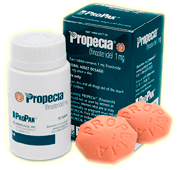 For men with hereditary hair loss, Propecia® (finasteride 1 mg) is a once-daily prescription treatment that can help slow thinning and support hair growth. It is FDA-approved for male pattern hair loss and backed by decades of clinical research. Hair loss may be genetic, but simply watching it happen does not have to be the plan.
- What Is Propecia® (Finasteride)?
- Propecia® Candidates
- How Propecia® Works
- Propecia® Results
- How Propecia® Is Taken
- Propecia® Side Effects and Safety
What Is Propecia® (Finasteride)?
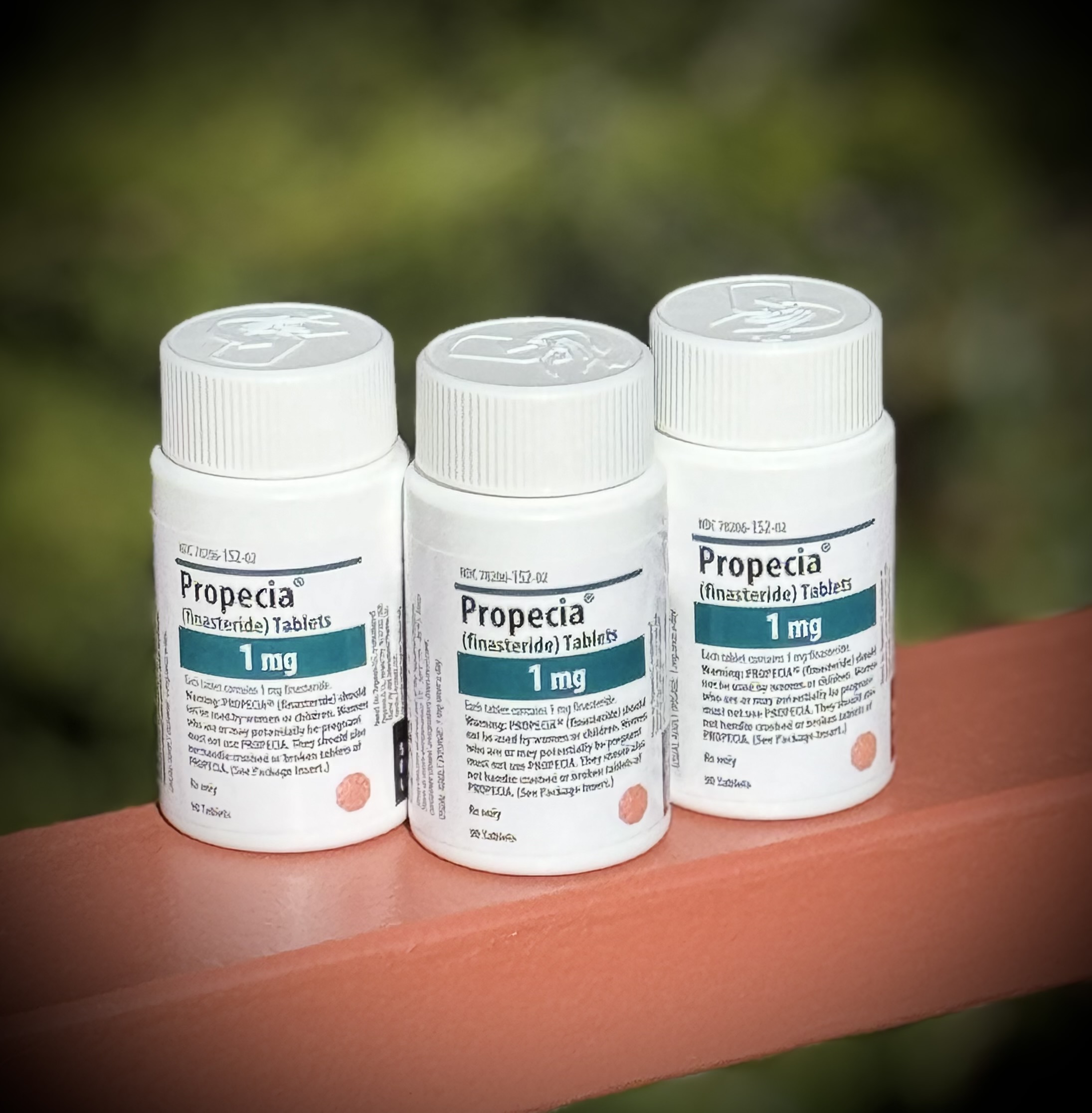
Propecia® is the brand name for finasteride 1 mg, a once-daily prescription medication FDA-approved to treat male pattern hair loss in men. This non-surgical hair loss treatment works by reducing dihydrotestosterone (DHT), a hormone that plays a major role in hereditary hair loss. You may not be able to change the genetics behind your hair loss, but you can decide what you do about it.
Am I a Candidate for Propecia®?
Propecia® may be appropriate for adult men experiencing male pattern hair loss who want to slow further thinning and preserve the hair they still have. It has been studied for hair loss on the crown and the front and central areas of the scalp, with clinical studies showing results in nine out of 10 men.
Hair loss rarely announces itself all at once. It’s usually a little more scalp showing, less density when you style your hair or a photo that suddenly looks different. You don’t have to wait until everyone else notices it too. And Propecia® isn’t an overnight fix. Dr. Matthew Lopresti generally recommends giving the medication at least 18 months to determine how well it is working for you. When you’re trying to keep the hair you have for years to come, giving it time can be part of the investment.
Hair restoration doctor Dr. Lopresti can evaluate your pattern of hair loss, medical history and goals to determine whether Propecia® or generic finasteride may be appropriate for you and how it may fit into a longer-term hair restoration plan.
How Does Propecia® Work?
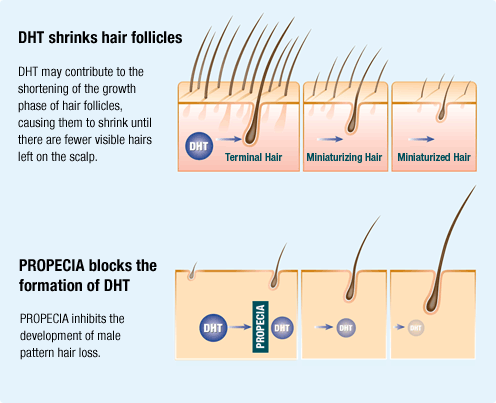
Testosterone naturally converts into a hormone called dihydrotestosterone (DHT) with the help of an enzyme called 5-alpha reductase. In men who are genetically prone to male pattern hair loss, DHT can cause certain hair follicles to slowly shrink, a process called follicular miniaturization. As those follicles get smaller, the hairs they produce can become thinner, shorter and less noticeable over time.
Propecia®, or finasteride 1 mg, works by blocking type II 5-alpha reductase, which reduces the amount of DHT in the scalp. With less DHT affecting the follicles, finasteride can help slow the miniaturization process, preserve existing hair and, in some men, improve hair growth and thickness.
The important thing to understand is that Propecia® doesn’t create new hair follicles or change your genetics. It helps protect susceptible follicles from DHT for as long as you continue taking the medication. That’s why Propecia® is considered a long-term treatment for male pattern hair loss rather than a quick fix.
When Will I See My Results from Propecia®?
Propecia® results don’t happen overnight, but hair loss didn’t happen overnight either. Clinical studies have shown that many men experience stabilization of male pattern hair loss, while some also see improvement in hair growth. The first sign it’s working may be surprisingly simple. Less hair in the shower. Less shedding when you style it. The feeling that maybe your hair isn’t slowly getting away from you anymore.
Some men begin noticing less shedding after about three months, while improvements in hair growth, thickness and density may become more noticeable around six months and beyond. Propecia® is a long-term treatment, and results vary. This isn’t about chasing a miracle in a few weeks. It’s about giving your hair a chance to still look like your hair years from now.
At Leonard Hair Transplant Associates, Dr. Lopresti generally recommends giving Propecia® at least 18 months before determining how well it is working for you. Because with progressive hair loss, success isn’t always measured by how much hair you grow back. Sometimes it’s measured by how much you never lose.
How Is Propecia® Taken?
Propecia® is typically taken as one 1 mg tablet once daily, with or without food. Take finasteride exactly as prescribed and discuss your medications, supplements and medical history with your prescribing clinician.
Are There Side Effects to Propecia®?
Side effects are one of the most common concerns men have about Propecia®, and it’s completely reasonable to have questions before starting a medication you may take long term. Sexual side effects were reported by a small percentage of men in the original clinical studies of finasteride, and individual experiences can vary.
If you’ve researched finasteride online, you’ve probably found everything from reassuring experiences to stories that made you think twice. You shouldn’t feel pressured to ignore those concerns or make a decision based on fear. You deserve clear information about the potential benefits, risks and side effects so you can decide what feels right for you.
Dr. Lopresti can review the safety profile of Propecia®, answer your questions and discuss how the medication may fit into the treatment of your male pattern hair loss. The goal isn’t to convince you to take it. It’s to make sure you understand what Propecia can do, what it cannot do and what you should know before deciding whether it belongs in your hair loss treatment plan.
Learn More About Propecia®
If you would like to learn more about whether Propecia® may be a suitable form of treatment for you, or if you would like to schedule a consultation with our skilled hair restoration surgeon, please contact us today.