



Joe C
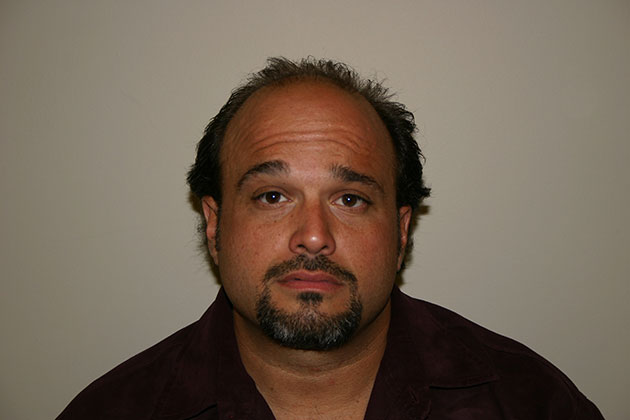
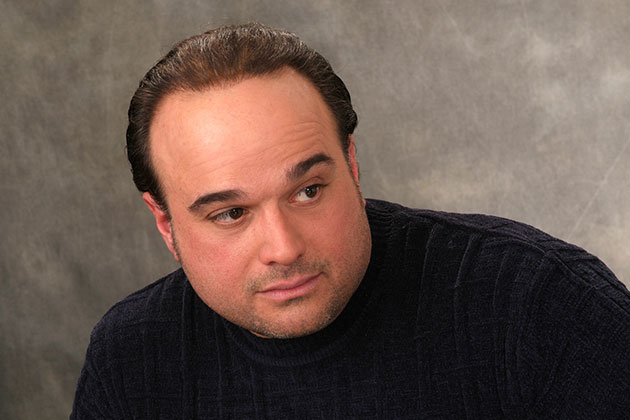
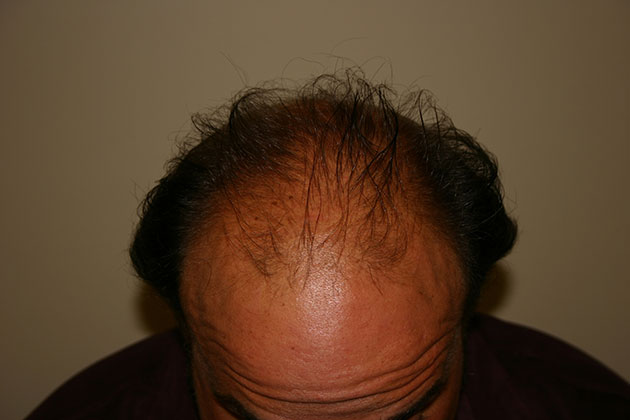
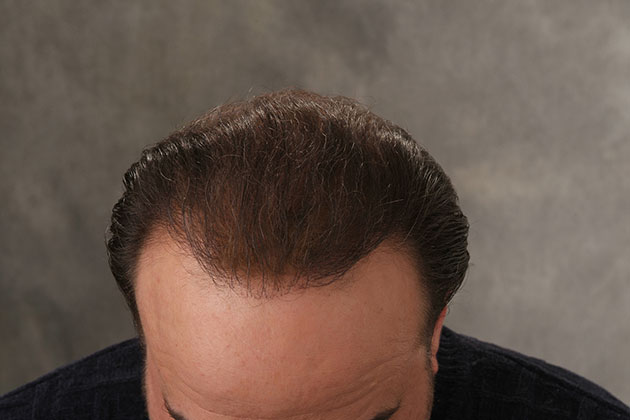
Patient Details:
Joe Comparone Hair Transplant Results
Patient Details
Joe Comparone was confident early. At 19, he started his own business, Drain Pro Plumbing, and learned how to sell something every business owner eventually has to sell before anything else: himself. He met potential customers, built relationships, stayed social and was comfortable being the person at the center of the conversation.
Then Joe started losing his hair in his mid twenties.
The change affected more than what he saw in the mirror. Joe tried shaving his head but didn’t like the way he looked. He tried Rogaine but wasn’t getting the improvement he wanted. As his hair loss progressed, the confidence that had always seemed to come naturally to him began to change as well.
“Hair was like a shield, a coat, a security blanket,” Joe said.
Eventually, the effects spilled beyond his hair. Joe said he gained weight, stopped taking care of himself the way he once had and no longer felt like the same person who had confidently started a business at 19.
Hair transplant surgery was something Joe knew existed, but he was skeptical. Some of the results he had seen elsewhere did not appeal to him, and he had no interest in pursuing surgery simply for the sake of saying he had done something about his hair. After learning more about Leonard Hair Transplant Associates through people he knew, Joe scheduled a consultation and ultimately decided to move forward.
What changed afterward was not Joe’s ability to run a business.
He already knew how to do that.
What changed was how he felt walking into it.
Can Hair Loss Affect Confidence at Work?
Yes. Hair loss can affect how some people feel about their appearance and professional confidence, although the degree of impact varies considerably from person to person.
For Joe, the connection was direct. He had built a business around interacting with customers and marketing himself, and he remembered feeling differently about those interactions as his hair loss progressed. The confidence that had once been almost automatic became something he had to think about.
This does not mean hair determines someone’s professional ability, credibility or success. Joe was already a successful business owner before undergoing hair restoration, and a hair transplant did not give him the skills required to build Drain Pro Plumbing. What changed, according to Joe, was how he felt about presenting himself to other people.
After surgery, he described that difference in his own terms: “I look and feel like a professional when I’m on the job.”
That distinction matters. Hair restoration did not make Joe more qualified to do his work. It changed an aspect of his appearance that had been interfering with the way he felt while doing it.
A career can be built on ability.
Confidence is what walks through the door with it.
Why Can Hair Loss Feel More Noticeable in a Customer Facing Job?
Hair loss may feel more noticeable to someone in a customer facing profession because regular meetings, presentations, networking and face to face interactions can make personal appearance feel like a more visible part of the workday.
Joe owned a plumbing business, but his job was never limited to plumbing. Like many business owners, he also had to be the salesperson, representative and face of the company. He had to meet people who did not know him yet and establish trust quickly.
When Joe was younger, that came easily. As his feelings about his hair changed, so did some of the comfort he had always brought into those situations. His experience illustrates why hair loss can become more than a private concern for someone whose work repeatedly puts them in front of other people.
That does not mean customers were actually judging Joe because of his hair. There is an important difference between how someone believes others see them and what those other people are actually thinking. Joe’s story tells us about his experience, not theirs.
But perception still matters when it changes your own behavior.
Joe didn’t need hair to become a professional.
He wanted to feel like himself while being one.
Can Addressing Hair Loss Change How Someone Feels About Their Appearance?
For some patients, successfully addressing a hair concern can improve satisfaction with their appearance, but the emotional impact of hair restoration is individual and should never be promised as a surgical outcome.
Joe reported a substantial change in how he felt after his procedure. Family and friends told him he looked good, and many could not immediately identify what had changed. More importantly, Joe said he regained self esteem and became more engaged with other aspects of his appearance and lifestyle.
He began working out again and lost weight. Those changes were Joe’s own actions, not effects produced by transplanted hair, and it would be inaccurate to suggest that hair transplant surgery causes weight loss, improved fitness or broader psychological changes. What Joe described was a personal sequence: he liked what he saw after addressing his hair, felt better about himself and became motivated to take care of other things that mattered to him.
That distinction makes his story more credible, not less.
A hair transplant changes hair.
What someone decides to do after feeling better about that change belongs to them.
Is Hair Restoration Only About Looking Younger?
No. People pursue hair restoration for different reasons, and looking younger is only one possible motivation. Some patients are more concerned with restoring an appearance they recognize, improving coverage in a particular area or no longer organizing their hairstyle around progressive thinning.
Joe’s experience is particularly useful because his story was tied less to chasing youth than to recovering a sense of professional presence. He had been confident and successful at a young age, then watched hair loss become one of the things that made him feel less like that person.
After surgery, compliments from family and friends were welcome, but Joe was clear that his decision was personal.
“I did it for me, not for anyone else.”
That is an important counterpoint to the idea that cosmetic treatment is automatically about satisfying other people. Someone may work in public, meet customers all day and receive comments about their appearance, yet still make the decision for reasons that are entirely their own.
Joe’s customers did not need him to have more hair.
Joe wanted it.
That was enough reason for him to investigate his options.
Can a Hair Transplant Make Someone More Successful at Work?
No. A hair transplant cannot make someone more talented, capable or successful at work, and it should not be presented as a professional advantage.
Joe’s story could easily be oversold if that distinction were ignored. He was already entrepreneurial enough to start his own company at 19. Hair restoration did not create his work ethic, business ability or professional experience.
What Joe reported was different. He felt better about the way he presented himself on the job after addressing a feature of his appearance that had been bothering him for years.
For someone considering hair restoration because hair loss has become a professional confidence issue, that is the more realistic question to ask. Surgery cannot change what you know, what you have accomplished or how well you perform your job. It can potentially change an aspect of your appearance if you are an appropriate candidate and the desired improvement is surgically achievable.
Joe didn’t need a hair transplant to become successful.
He wanted the man in the mirror to look more like the man who already was.
What Can Patients Learn From Joe Comparone’s Hair Transplant Results?
Joe’s experience demonstrates why the reasons people pursue hair restoration can be much more personal than simply wanting more hair.
His hair loss began in his mid twenties, but what ultimately bothered him was the way that change became connected to other parts of his life. He had always been comfortable marketing himself and interacting with customers. As his feelings about his appearance changed, some of that comfort changed with it.
Joe eventually decided that doing something about his hair was worth pursuing. After surgery, he reported feeling better about his appearance, returning to exercise and once again feeling comfortable presenting himself professionally.
That was Joe’s experience. Another patient may have completely different motivations and a completely different response to treatment. Hair restoration should never be presented as a cure for low confidence or as something a person needs in order to succeed.
Joe had already proven he could build a business.
He simply wanted to recognize the guy running it.
Hair Transplant Consultations for Working Professionals in Greater Boston
For business owners and professionals considering hair restoration in Greater Boston, a consultation should focus first on the actual hair loss rather than assumptions about how someone in a particular profession is supposed to look.
Leonard Hair Transplant Associates evaluates patients in Boston, Newton and Braintree, Massachusetts, including people whose work puts them regularly in front of customers, clients, colleagues or cameras. The purpose of that evaluation is to determine the pattern of hair loss, discuss appropriate treatment options and establish realistic expectations about what may be achievable.
Dr. Matthew Lopresti currently leads the surgical practice. For someone whose hair loss has become increasingly difficult to ignore at work, the consultation is an opportunity to separate two questions that are easy to confuse: what can medically and surgically be done about the hair, and how much does changing it actually matter to you?
Joe knew how he felt before surgery.
Afterward, he put the difference simply.
“I got back my self-esteem.”
For Joe, more hair wasn’t the résumé.
It just made him feel more like the man whose name was already on it.
Patient Profile
Patient: Joe Comparone
Occupation: Owner of Drain Pro Plumbing
Gender: Male
Age at original case: 41
Hair loss began: Mid twenties
Primary concern: Progressive hair loss and the effect it had on how he felt about his appearance and professional presence
Treatment: Hair transplant surgery
Joe on his professional appearance
“I look and feel like a professional when I’m on the job.”
Joe on his decision
“I did it for me, not for anyone else.”