



Luis
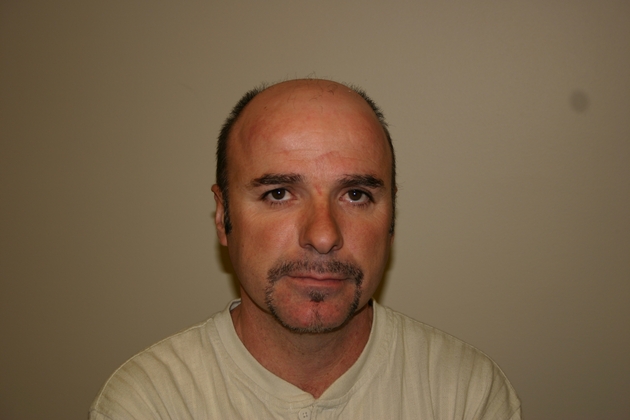
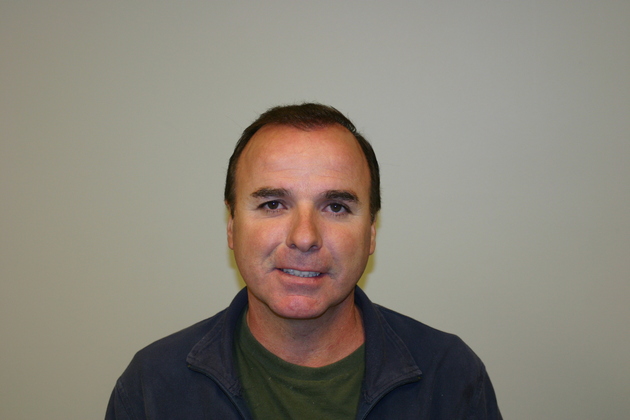
Patient Details:
Luis Costa Hair Transplant Results
Patient Details
Warwick, Rhode Island
Age 47
Traditional FUT hair transplant
Male pattern hair loss
Previously wore a hairpiece for 18 years
For 18 years, Luis Costa didn’t simply wear a hairpiece. In some ways, he had to plan around it.
Swimming meant thinking about his hair. Playing soccer meant thinking about his hair. Roughhousing with his children meant thinking about his hair. Even someone touching his head could become a moment of concern.
Eventually, the Warwick, Rhode Island resident wanted something different. Not just a different appearance. He wanted hair to stop having a vote in what he could and couldn’t do.
Can You Swim and Play Sports With a Hair Transplant?
Yes. Once a hair transplant has fully healed and postoperative restrictions have passed, transplanted hair is your own growing hair and does not prevent you from swimming, playing sports or living an active lifestyle.
The distinction between during recovery and after recovery matters. Hair transplant patients need to follow their surgeon’s postoperative instructions while newly transplanted grafts and the donor area heal. Swimming, strenuous exercise, contact sports and anything that could disturb the surgical areas may be temporarily restricted.
That healing period is temporary. The transplanted follicles are permanent donor follicles moved from one area of the scalp to another. Once healed and growing, the hair can be washed, cut and styled like the patient’s other hair.
For Luis, that difference meant much more than a change in the mirror.
Eighteen Years of Thinking Before Doing
Before pursuing surgical hair restoration, Luis had worn a hairpiece for nearly two decades. It gave him hair, but it also came with considerations that people who have never worn one may never think about.
Would it stay secure in the water? What happened during soccer? What if one of his children grabbed his hair while they were playing?
Those aren’t questions about appearance. They’re questions about freedom.
Luis eventually met with Dr. Robert Leonard and underwent traditional FUT hair transplant surgery. This is a historical Leonard Hair Transplant Associates patient case from the period when Dr. Leonard was practicing.
FUT uses permanent donor hair from the back and sides of the scalp. A narrow strip of donor tissue is surgically removed, the follicular units are carefully prepared, and those grafts are transplanted into areas affected by hair loss.
The goal was no longer to cover Luis’s hair loss with something he wore.
It was to grow hair of his own.
What Changes When Transplanted Hair Starts Growing?
Once transplanted follicles become established and begin producing hair, that hair grows naturally because it is the patient’s own living hair.
That was the practical difference Luis had been looking for.
After his hair restoration, he described being able to swim, play soccer and play with his children without the concerns he’d lived with while wearing a hairpiece. He no longer had to protect something sitting on his scalp.
There is a difference between looking free and feeling free.
Luis had spent 18 years knowing exactly where that line was.
Hair Transplant Surgery in Warwick, Rhode Island
Luis’s story has an especially strong connection to Rhode Island. He lived in Warwick, and today Leonard Hair Transplant Associates performs hair transplant surgery at its Warwick location for patients throughout Rhode Island and nearby Southeastern Massachusetts.
Dr. Matthew Lopresti, Chief Hair Restoration Surgeon at Leonard Hair Transplant Associates, personally performs both FUE and FUT hair transplant surgery. Choosing between them depends on factors including the patient’s pattern of hair loss, donor hair, hairstyle, goals and long-term plan.
For someone currently wearing a hair system or hairpiece, surgery is not automatically the right alternative. A hair transplant requires sufficient donor hair and an appropriate pattern of hair loss, and the possibilities are different for every patient.
Luis spent 18 years adapting his life to his hair.
After hair restoration, he could get back to simply living it.