



Matt


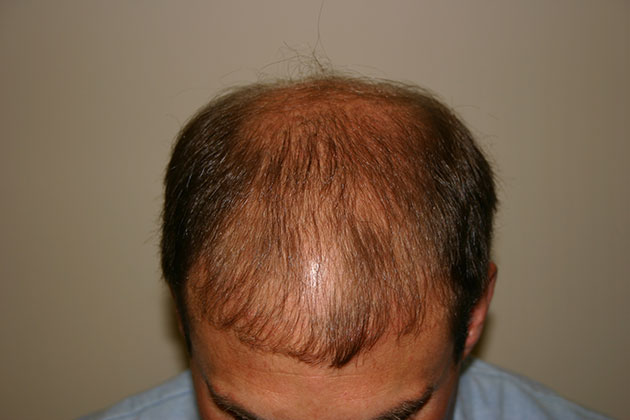
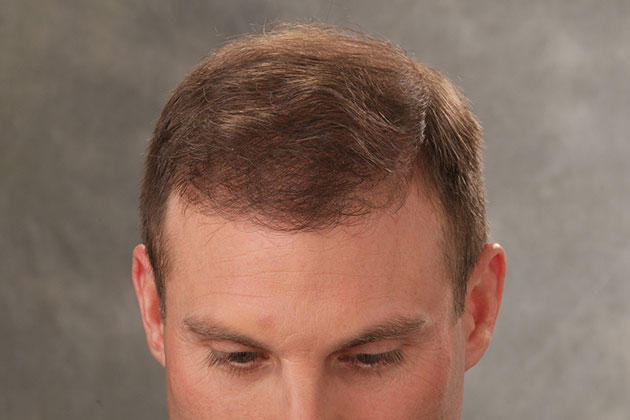
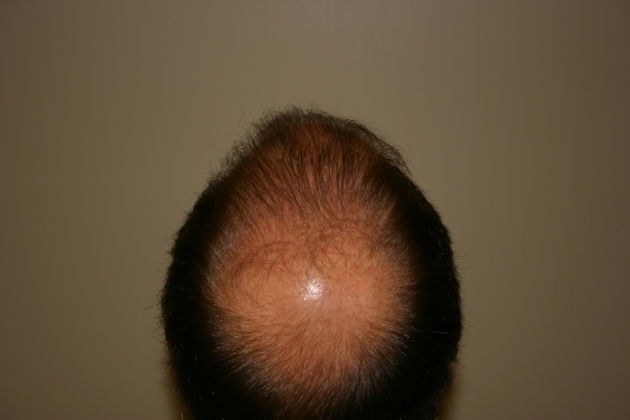
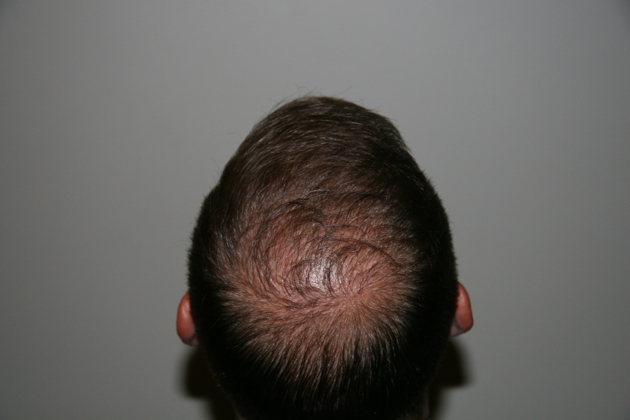
Patient Details:
Matt Zarrella Hair Transplant Results
Patient Details
When Matt Zarrella started losing his hair in his late thirties, he saw plenty of men around him handle the same problem in a very different way. Matt worked in law enforcement, and many of his colleagues responded to thinning hair by shaving their heads and moving on.
Matt considered the alternative. It just wasn’t him.
“I just wasn’t ready to be bald,” he said.
That did not mean Matt immediately decided to have a hair transplant. After learning about Leonard Hair Transplant Associates through the news, he scheduled a consultation at the former Cranston, Rhode Island office and was told that hair restoration surgery was an option worth considering. Then Matt did something many people researching hair transplants do.
He waited.
For almost three years, Matt thought about the recommendation while his hair continued to thin. He wasn’t interested in making a rushed decision, but he also wasn’t becoming any happier about losing his hair. Eventually, looking in the mirror brought him back to a simple question: “Why give up?”
For Matt, shaving his head would have meant accepting an appearance he did not want simply because it was the easiest option. Hair transplant surgery required more thought, planning and financial commitment, but it also offered something Matt valued more: the opportunity to restore his own growing hair.
He eventually stopped asking whether he could live with being bald and started asking whether he had to.
Should You Shave Your Head or Get a Hair Transplant?
Shaving your head and having a hair transplant are two completely different approaches to hair loss, and the right choice depends on whether you are comfortable with a shaved appearance or want to explore restoring your own growing hair.
Matt had watched other law enforcement officers solve the problem with clippers. There is nothing medically wrong with that choice, and for someone who likes the appearance, shaving can be the simplest answer imaginable. Matt’s problem was that he already knew how he felt about it.
He didn’t want to be bald.
That distinction is important for anyone comparing the two options. Shaving does not treat hair loss or restore hair. It changes the way someone wears the hair that remains. Hair transplant surgery takes a different approach by relocating appropriate donor follicles into areas where permanent hair loss has occurred.
Neither decision should be made because it is what other men with hair loss are doing. Some people look in the mirror after shaving their head and never think about their hair again. Others look at the same option and know immediately that it is not how they want to see themselves.
Matt spent years surrounded by evidence that shaving his head was an available solution.
Available wasn’t the same as right for him.
Is a Hair Transplant Worth the Investment?
A hair transplant may be worth considering for someone who is an appropriate surgical candidate, wants to restore permanently lost hair and places enough personal value on the potential improvement to justify the cost, recovery and time required for the result to develop.
Matt described his own decision in financial terms. “It’s an investment, in my opinion. That’s what finally convinced me.”
That is a useful way to frame the question because hair transplant surgery is elective. The value cannot be calculated from a graft count or price alone. Someone considering surgery has to decide how much their hair loss actually bothers them, what kind of improvement may realistically be possible and whether achieving that improvement is worth the financial commitment to them.
The consultation becomes particularly important here. A patient needs realistic information about candidacy and potential results before deciding whether the investment makes sense. A hair transplant that is appropriate for one person’s pattern of loss may not be appropriate for another, and another patient’s result cannot guarantee what someone else will achieve.
Matt took almost three years to make that calculation for himself.
When he finally decided the answer was yes, it wasn’t because hair transplant surgery suddenly became less expensive or his hair loss became less real.
The value of doing something had finally become greater than the value of waiting.
What Happens If You Wait to Have a Hair Transplant?
Waiting to have a hair transplant does not necessarily prevent someone from having surgery later, but genetic hair loss can continue progressing during that time and the treatment options available in the future will depend on the hair and donor resources that remain.
Matt’s story makes this question particularly relevant. He did not leave his initial consultation and schedule surgery immediately. He thought about the recommendation for almost three years while his hair continued to fall out.
Waiting itself is not automatically a mistake. Hair transplant surgery is elective, and someone who is uncertain should understand the decision before proceeding. In some situations, observing how a pattern of hair loss develops can also provide useful information. The important point is that waiting does not pause genetic hair loss.
That means the patient evaluated today may not have exactly the same pattern several years from now. Areas can become thinner, additional hair can be permanently lost and the surgical plan may need to change accordingly.
Matt eventually reached the point where waiting was no longer helping him make the decision. It was simply giving his hair loss more time.
Three years gave Matt plenty of time to think.
His hair didn’t spend those three years waiting with him.
Is Transplanted Hair Permanent?
Hair transplanted from an appropriate permanent donor area is intended to provide long term growth because those follicles generally retain their resistance to the genetic process responsible for common pattern hair loss after they are relocated.
Permanence was one of the reasons Matt ultimately found surgery compelling. “It’s permanent,” he said when describing his decision.
There is an important distinction behind that statement. Hair transplant surgery does not make every hair on the scalp permanent and does not stop future genetic hair loss. The patient’s existing non transplanted hair can continue thinning after surgery, which is why long term planning remains important.
The transplanted follicles themselves are selected from areas where hair is naturally more resistant to common genetic hair loss. Once successfully transplanted and established, those follicles are intended to continue producing growing hair over the long term.
For Matt, that was fundamentally different from simply changing his hairstyle to make thinning less noticeable. He wanted his own hair growing again in areas where he had lost it.
Eventually, he found himself carrying something he had not needed in years.
A comb.
What Can Patients Learn From Matt Zarrella’s Hair Transplant Results?
Matt’s experience shows that deciding whether to have a hair transplant does not have to happen quickly. He spent almost three years considering surgery, watching his hair continue to thin and deciding whether restoring it mattered enough to him to take the next step.
His motivation was also unusually clear. Matt wasn’t trying to satisfy coworkers or follow what other men around him were doing. In fact, many of his colleagues had already chosen the simplest alternative and shaved their heads. Matt pursued surgery precisely because their solution did not feel like his.
After his procedure, people began telling Matt that he looked younger. He enjoyed hearing it, but he said that was not why he had chosen surgery.
“Does it make me feel good when people say I look 15 years younger? Sure it does,” Matt said. “But that’s not why I did it. I did it because I didn’t want to quit.”
That is what makes Matt’s case useful for someone currently debating what to do about hair loss. A hair transplant is not something everyone needs, and shaving your head is not something everyone wants.
The decision becomes much easier once you stop asking what everyone else does.
What Should Rhode Island Patients Consider Before Choosing Hair Transplant Surgery?
Rhode Island patients considering hair transplant surgery should first determine whether they are appropriate candidates, what can realistically be restored and whether surgical treatment aligns with what they actually want from their appearance.
Matt originally sought treatment at the practice’s former Cranston location. Today, Leonard Hair Transplant Associates sees Rhode Island patients in Warwick, giving people from Cranston, Providence and surrounding communities a local option for hair restoration evaluation.
The consultation should be used to answer the questions Matt spent years considering. Is the hair loss permanent? Is there adequate donor hair? What degree of improvement is realistic? Does surgery make sense now, or would another approach be more appropriate?
Dr. Matthew Lopresti currently leads the surgical practice and evaluates each patient’s pattern of loss and restoration goals before determining whether hair transplant surgery should be considered.
Matt first walked through the door looking for information.
It took him nearly three years to decide what to do with it.
There is nothing wrong with taking your time.
Just remember that hair loss may not.
Patient Profile
Patient: Matt Zarrella
Occupation: Law enforcement officer
Gender: Male
Age at original case: 47
Hair loss began: Late thirties
Primary concern: Progressive hair loss and not wanting to shave his head or accept becoming bald
Treatment: Hair transplant surgery
Original consultation: Cranston, Rhode Island
Matt on deciding to have surgery
“It’s an investment, in my opinion. That’s what finally convinced me.”
Matt on why he did it
“I did it because I didn’t want to quit.”