



Bob
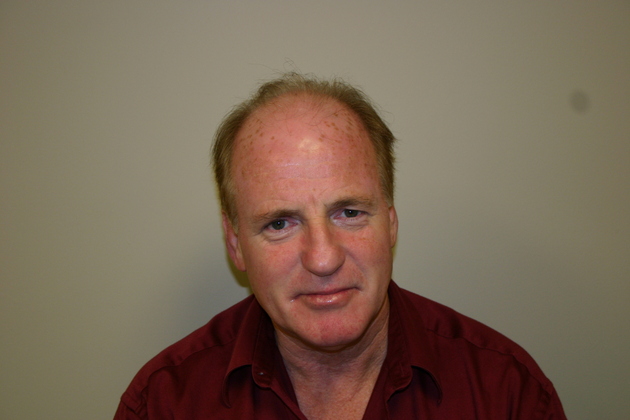
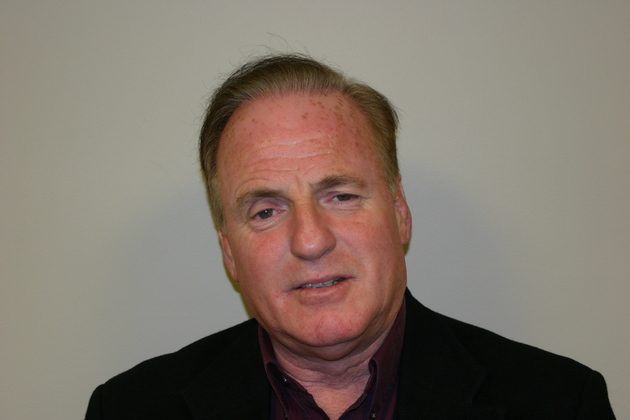
Patient Details:
Bob Venturini Hair Transplant Results
Patient Details
Bob Venturini was used to being recognized. As the host of local cable television programs including Bob’s Big Adventures, An Hour with Bob and Zachary’s Adventures, his face was part of the job. So was an interesting contradiction: the illustrated version of Bob used in his television branding had a full head of hair, while the real Bob was gradually losing his.
Bob first noticed his hair thinning in his mid to late thirties. At first, it did not bother him enough to do much about it. He understood that hair loss could make him appear older, but he remained confident, active and busy with his television work. He tried Rogaine for a period of time but was not satisfied with what he was seeing, and he knew wearing a hairpiece was never going to be an option for him.
Eventually, the difference between how Bob felt and what he saw became harder to ignore. He wasn’t trying to become somebody else. He simply wanted the person looking back at him to look a little more like the person he still felt like.
Hair transplant surgery gave him an opportunity to do something permanent about it.
Why Did Bob Decide to Have a Hair Transplant?
Bob decided to have hair transplant surgery because he wanted naturally growing hair and believed restoring some of what he had lost could help his appearance better reflect how young and active he still felt.
After having his hair loss evaluated, Bob decided to move forward with surgical hair restoration. He later underwent a second hair transplant procedure in November 2006 to further improve the density and thickness of his result.
As the transplanted hair grew, Bob began hearing something interesting from people who watched him on television. They noticed that he looked younger, but they did not necessarily know why.
That was exactly the kind of change he wanted.
Even his son approved, telling Bob that he “looks cool” with his new hair. And as the result developed, the man appearing on television began looking a little more like the full haired Bob viewers had been seeing in his show’s logo all along.
Sometimes branding gets ahead of reality.
Bob finally caught up.
Can a Hair Transplant Make Someone Look Younger?
A hair transplant may create a more youthful appearance for an appropriate patient when restoring lost hair improves the proportions and framing of the face, although the degree of change varies considerably from person to person.
Hair loss is one of several features that can influence how old someone appears. As frontal hair recedes or density decreases, more of the scalp and forehead may become visible, gradually changing the overall balance of the face. Restoring selected areas with naturally growing transplanted hair can alter that balance without changing the features that make someone recognizable.
That distinction fits Bob particularly well. His goal was never to look like a different person or chase an age he had already passed. He wanted to look like himself, with hair.
His viewers apparently noticed. Bob recalled regularly being approached by people who told him he looked younger as his result developed.
For someone who made a career appearing on camera, that reaction said plenty.
Why Did Bob Have a Second Hair Transplant?
Bob underwent a second hair transplant because he wanted to further increase the density and thickness achieved after his first procedure.
Some hair transplant patients have one procedure, while others may undergo additional surgery depending on their original degree of hair loss, available donor hair, goals and how their hair changes over time. A second procedure should not be viewed as an automatic part of the process. Whether additional transplantation is appropriate depends on the individual patient.
Bob chose to continue after seeing his initial result. His second procedure in November 2006 was intended to build on the improvement he had already achieved rather than start over.
That is an important part of his story because hair restoration does not always have to be treated as one dramatic before and after moment. For some patients, the process develops in stages, with each decision based on what has already been accomplished and what remains realistically possible.
Bob liked where the first procedure took him.
He decided there was room to go further.
What Can Patients Learn From Bob’s Hair Transplant Results?
Bob’s experience shows that someone does not have to be devastated by hair loss to eventually decide to do something about it. He noticed his thinning in his thirties, lived with it for years and initially accepted that it was simply part of getting older.
What changed was not Bob’s personality. It was his willingness to consider another option.
That is an important distinction for people researching hair restoration today. Some patients seek treatment as soon as they notice recession. Others are comfortable with hair loss for years before deciding they would prefer to have more hair. There is no universal moment when someone is supposed to care.
The useful question is what can realistically be done when you decide that you do.
Bob eventually chose surgery, underwent two procedures and saw an improvement that people around him associated with looking younger. His photographs document his individual result, but every patient’s pattern of loss, existing hair, donor characteristics and outcome are different.
Hair Transplant Surgery in Boston and New England Today
Today, Chief Hair Restoration Surgeon Dr. Matthew Lopresti personally performs FUE and FUT hair transplant surgery at Leonard Hair Transplant Associates in Newton, Massachusetts and Warwick, Rhode Island.
Patients considering surgery are evaluated individually to determine the extent and progression of their hair loss, the characteristics of their permanent donor hair and what they want to accomplish. Some may be candidates for surgical restoration, while others may have existing hair that makes non-surgical treatment or a combination approach worth considering.
Leonard Hair Transplant Associates treats men and women from Boston and Greater Boston, throughout Massachusetts and Rhode Island, across New England and from outside the region.
Bob spent years knowing he was losing his hair without feeling any urgency to change it. Then he decided he wanted the outside to catch up with the way he still saw himself.
Eventually, even the logo looked accurate again.
Patient Profile
Patient: Bob Venturini
Occupation: Local television host
Gender: Male
Hair loss began: Mid to late thirties
Primary concern: Progressive thinning and an older appearance
Treatment: Hair transplant surgery
Procedures: Two hair transplant procedures, including a second procedure in November 2006 to increase density and thickness
Bob on his results
“Hair transplants make you look and feel younger.”