


Hair Transplant Surgery
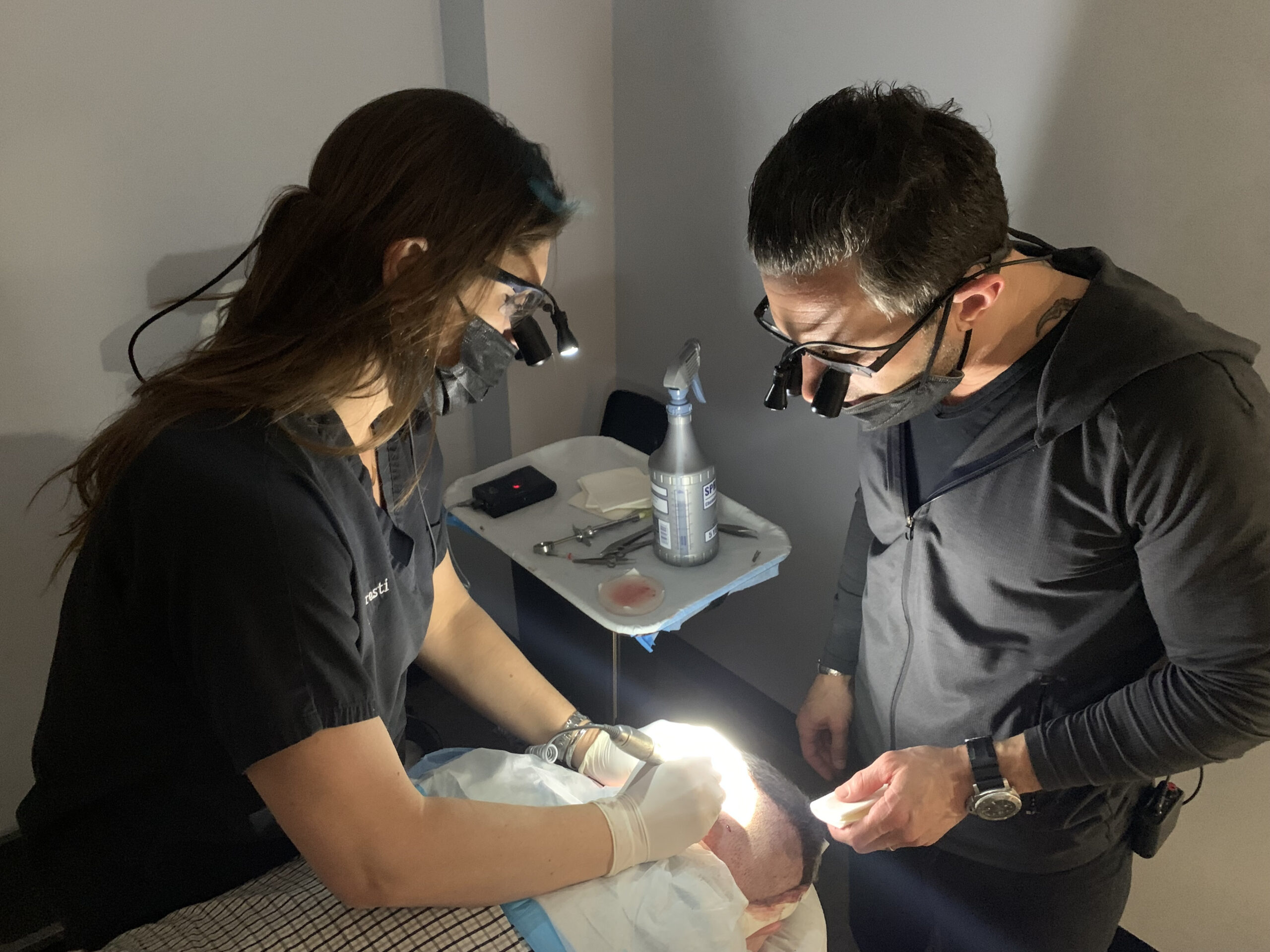
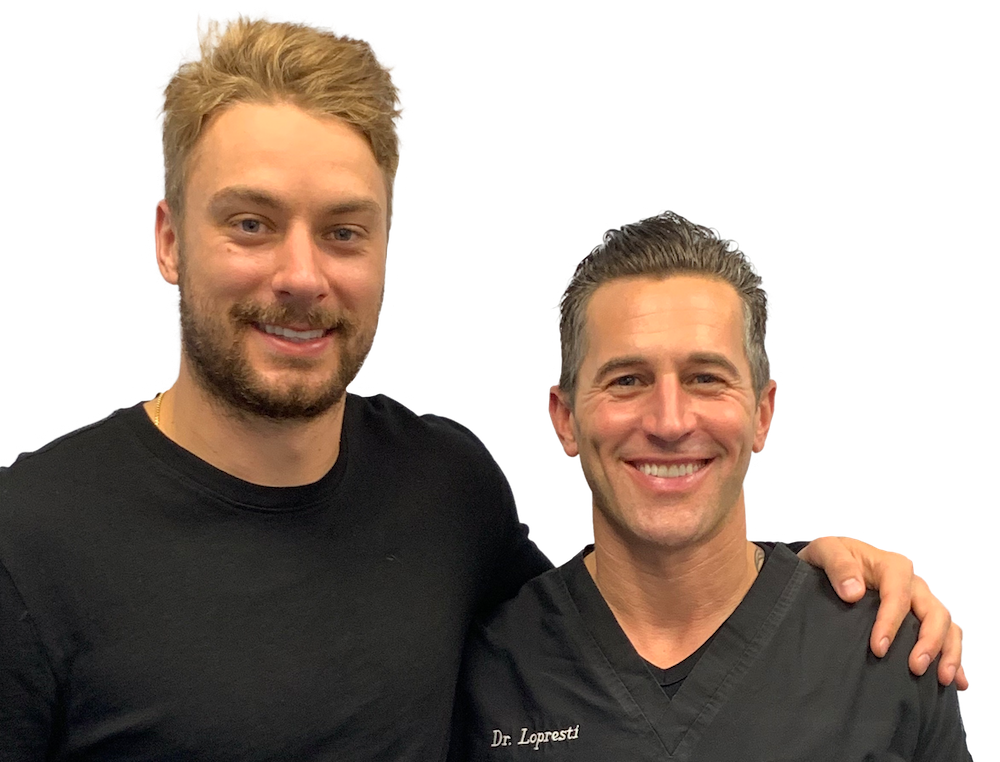
Dr. Mary Lopresti & Dr. Matthew Lopresti
Deciding to have a hair transplant usually begins with a simple question. Can my own hair be used to naturally restore the areas where it has thinned or disappeared? For the right candidate, the answer may be yes. Hair transplant surgery moves healthy follicles from the donor area, found along the back of the scalp, to the areas where more coverage is needed.
At Leonard Hair Transplant Associates, Chief Hair Restoration Surgeon Dr. Matthew Lopresti personally performs hair transplant surgery for men and women throughout Massachusetts and New England. His approach begins with understanding the patient’s pattern of hair loss, available donor hair and what they would realistically like to achieve. That information helps shape a plan that looks natural today while also considering how their hair may change in the future.
Depending on the patient, Dr. Lopresti may recommend Follicular Unit Excision (FUE) or traditional Follicular Unit Transplantation (FUT), also known as the strip method. Each technique collects healthy follicles differently, but the purpose is the same. The transplanted hair should grow naturally and blend with the hair already there. From the first consultation through follow up care, every stage is planned around the individual rather than taking the same approach with every patient.
- What Is a Hair Transplant?
- Hair Transplant Benefits
- Hair Transplant Candidates
- Hair Transplant Types
- Hair Transplant Recovery
- Hair Transplant Results
- Hair Transplant Scars
- Repeating Hair Transplant Surgery
- Hair Restoration for Women
- Hair Restoration for Transgender Patients
- Facial Hair Transplantation
- Non-Surgical Hair Restoration
- Why Choose Us for Hair Transplant Surgery
- Additional Hair Transplant FAQs
What Is a Hair Transplant?
Every hair transplant begins with the patient’s own hair. Healthy follicles are carefully removed from the donor area in the back of the scalp, where the hair is genetically more resistant to thinning, and moved to the areas where coverage has been lost. Once transplanted, those follicles continue producing real, growing hair that can be washed, cut and styled normally.
The most important part is deciding where each graft should go. Dr. Matthew Lopresti carefully plans the direction, angle and placement of the transplanted follicles so the new growth follows the natural pattern of the surrounding hair. That attention to detail helps create hair transplant results that look balanced, age appropriate and natural as the hair grows.
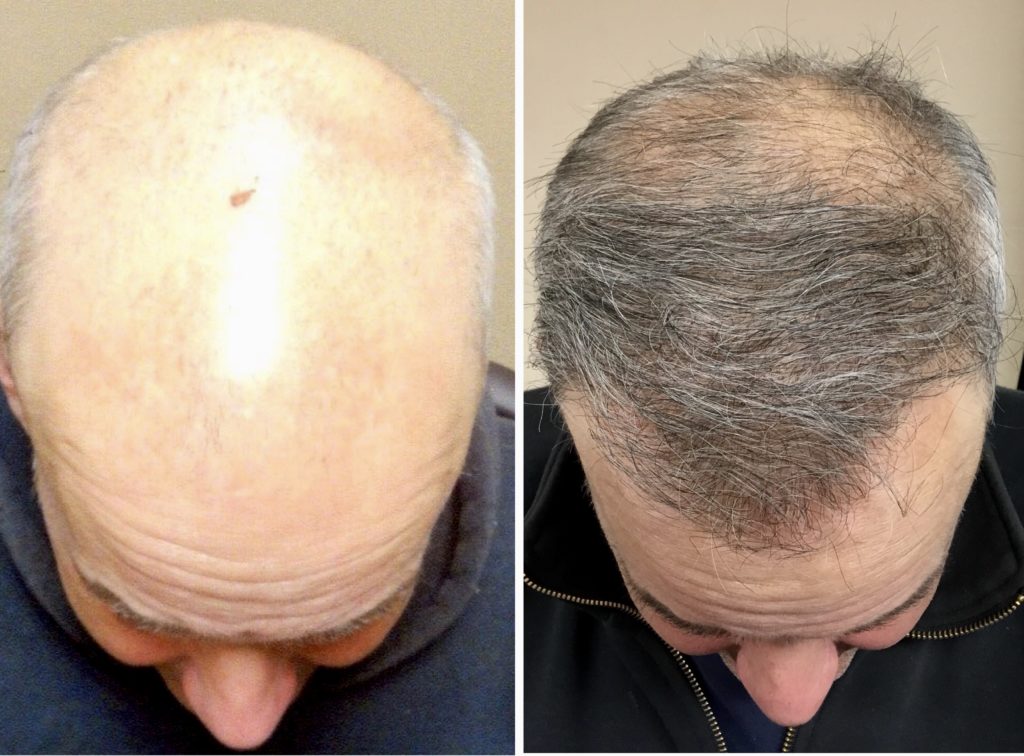
At our Massachusetts and Rhode Island surgical offices, we perform both the FUE technique and the traditional strip method for our patients. Hair restoration may be necessary for aesthetic reasons or possibly due to an injury. It can also benefit those who have lost hair in specific areas following a cosmetic procedure. We commonly perform hair restoration for balding or thinning areas on the scalp, as well as eyebrow hair transplantation.
Today’s current hair restoration techniques can make the hair transplantation results very natural-looking and age-appropriate. Even after a single but thorough hair transplant session, beautiful aesthetic results can be achieved from the comfort of our state-of-the-art surgical centers.
What Are the Benefits of Hair Transplant Surgery?
- Natural-looking results that blend seamlessly with your existing hair when performed using modern techniques
- Long-lasting hair restoration, as transplanted follicles continue to grow naturally over time
- Improved confidence and self-image, helping patients feel more like themselves again
- Low maintenance, since transplanted hair can be cut, colored, and styled just like natural hair
- Customized treatment options, including FUE or traditional strip harvesting, based on your anatomy, lifestyle, and goals
For many patients, hair transplant surgery not only restores hair—it restores confidence, allowing them to look as young and vibrant as they feel.
Am I a Candidate for Hair Transplant Surgery?
Before considering a hair transplant, we look at the main factors that determine whether surgery is right for you. This includes the density of hair in the back of your head, which serves as the donor area, as well as your overall hair characteristics and your realistic expectations. Our doctors follow the principle of “first, do no harm,” so if your hair thinning is temporary, caused by stress, medication, a medical condition, or lifestyle factors, it usually makes sense to address the underlying cause first. For most people, hair loss is genetic, and that is when a hair transplant can provide long-lasting, natural-looking results. Even hair loss from an injury or a prior procedure can often be helped, but the goal is always to make sure you have a clear understanding of what is possible before moving forward.
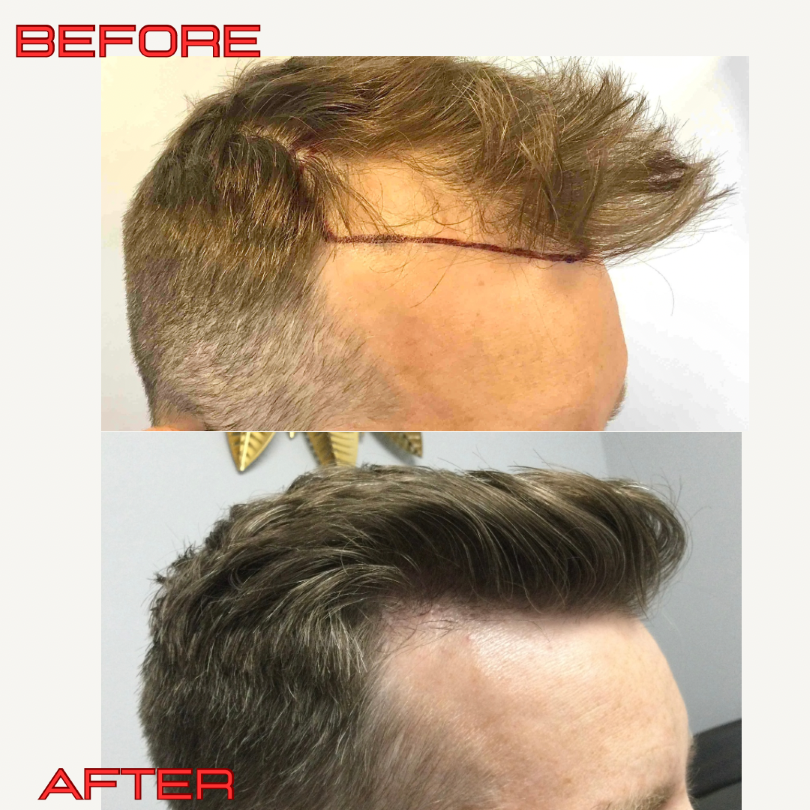
For those in the early stages of thinning, non-surgical hair loss treatments can help stabilize or improve existing hair. For more advanced thinning or balding, a hair transplant can restore coverage and create a natural hairline. Many patients achieve the best results by combining surgical and non-surgical approaches, keeping existing hair healthy while adding transplanted hair where it is needed most. By focusing on donor density and aligning your expectations with what is realistically achievable, we deliver a fuller, natural-looking appearance that restores confidence and provides long-lasting results, all guided by care, experience, and the principle of putting your safety and outcomes first.
What Are the Different Types of Hair Transplant Surgery?
Choosing a hair transplant technique is not a one size fits all decision. Dr. Matthew Lopresti performs two methods at Leonard Hair Transplant Associates, Follicular Unit Excision (FUE) and traditional Follicular Unit Transplantation (FUT), commonly called the strip method. Both use healthy follicles from the donor area in the back of the scalp, but they collect those follicles differently. The right approach depends on the patient’s donor hair, hairstyle, degree of hair loss and long term goals
Follicular Unit Transplantation (FUT)
During a hair transplant, hair is redistributed from the donor site located in the back of the head to the balding or thinning areas on top. These grafts are placed to create a natural-appearing result. The new hair follicles act as your normal hair, growing at the same rate as the rest of the area. The procedure can help you achieve a fuller head of hair with natural-looking results.
Step 1: Preparation
During a traditional strip method procedure our patients sit in a comfortable chair designed specifically for hair transplants. Patients remain awake during the procedure and can watch television or movies from a comfortable surgical chair. Patients who choose sedation must arrange for someone to drive them home. The procedure will take about four to five hours.
Step 2: Donor Site Harvesting
To begin, we lift the hair up in a row in the back with hair clips, shave about a half inch band of hair and then numb it with a local anesthetic. A strip of skin with these shaved follicles is then harvested and placed in saline solution for hair transplantation. That small incision is sutured together, we remove the hair clips and the hair will shingle right over the sutured area in the back of the head—and it’s completely hidden.
Step 3: Grafting & Placing Hair Follicles
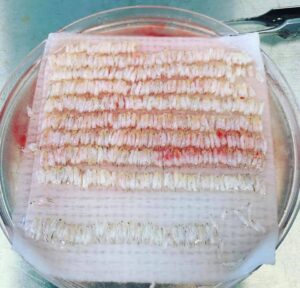
Under magnification, the follicular units from the donor strip are dissected by our staff that have only one hair, two hair, and three hair grafts. These grafts are then placed in saline solution. The area that is bald or thinning is made numb by a local anesthetic.
Then, very small incisions are precisely made into the skin, in which these tiny grafts are then planted. Dr. Lopresti creates these incisions in a way that follows hair growth direction, as well as the angulation from the surface of the scalp. Once these are in place we shampoo the patients’ hair and they leave our office without any bandages.
Step 4: Post-Operative Care
When the hair transplant procedure is complete most patients experience soreness in the donor site where the sutures are. Extra-Strength Tylenol® is primarily used for post-operative medication, but a stronger medication can be prescribed if needed. Approximately 10-14 days later the patient comes into our office to have their sutures removed. This simple process takes 15-20 minutes and the sutured area will heal in a line. In most individuals, it’s a fine line about the width of a pencil line, and it is completely covered by your hair.
Follicular Unit Excision (FUE)
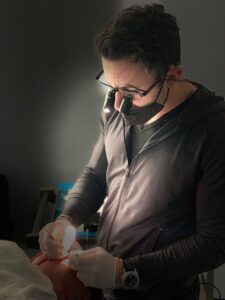
Dr. Lopresti FUE procedure
Step1: Preparation with Dr. Lopresti
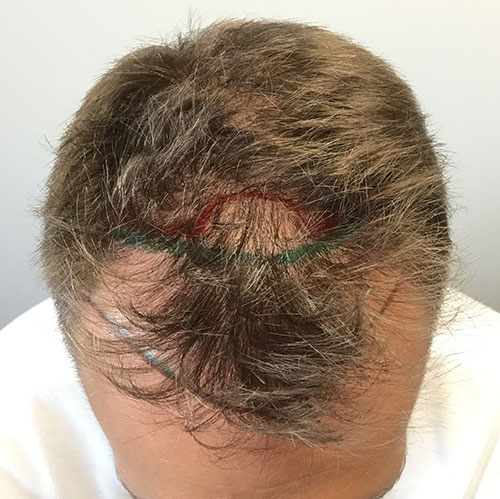
On the day of your procedure, Dr. Lopresti will take photos and carefully design and draw your newly transplanted area with a marker so that, together, you can finalize the plan. During a FUE hair transplant it is necessary for our patients to lie facedown for long durations while the grafts are harvested by Dr. Lopresti. A local anesthetic is injected into the scalp to numb the area. This injection process causes a slight pinch and burning sensation and generally takes between 3–4 minutes. Once completed, the remainder of the procedure is extremely comfortable.
Step 2: Donor Site Harvesting
Our Chief Surgeon, Dr. Matthew Lopresti, manually extracts each follicular unit carefully from the scalp. This part of the procedure requires an extreme amount of skill and experience with sophisticated instruments to provide an optimal outcome for our patients. We take great pride in providing safe and efficient FUE hair transplant procedures with minimum operative time.
Step 3: Grafting & Placing Hair Follicles
Using extreme precision, tiny little incisions are made into the skin, into which these tiny grafts are then planted. Dr. Lopresti makes these incisions following the direction of hair growth and the angulation from the surface of the scalp. Our highly skilled team members take great care inserting the grafts into the incision in the proper direction to ensure optimal results.
Step 4: Post-Operative Care
At the conclusion of the FUE hair transplant the recipient and donor sites are thoroughly cleaned. We then place a bandage on the donor site to keep it covered until it can be removed the day after surgery. Post-operative instructions are reviewed before every patient returns home the same day. Patients who choose sedation must arrange for someone to drive them home.
Learn More About Follicular Unit Excision
What Can I Expect After Hair Transplant Surgery?
The hard part comes after hair transplant surgery, which is waiting for the new hair to grow. The hair in the transplanted grafts will begin to grow about a ¼ inch in height initially and may fall out after approximately three to four weeks—but don’t worry! This is an expected physiologic situation. The little hairs in the grafts grow out of the grafts, making room for the same follicle to create a new hair that will grow. This is the standard shedding process, and your new hair should begin to grow in again in about three or four months. It’s a long period to wait and patience is your best friend during this time.
Approximately six months after the hair transplant is when we really can see the new hairs that have grown to a length creating a visual change. This is your own natural, growing hair that you can style however you wish. If you have any questions about this process, don’t hesitate to reach out to our team.
When Will I See My Hair Transplant Results?
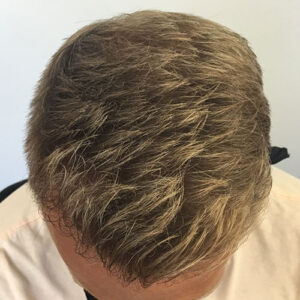
Patience is required, but the results are well worth the wait. Between 9-12 months after the hair transplant is when patients typically see the most impressive difference in density. However, at around 16-18 months post-operatively is when everything will have grown through the skin and the final results are achieved. This is your own growing hair that can be cut, colored, and styled.
“I am so pleased that I took this step and did something about losing my hair. It has been just a year since I had the surgery and I can’t believe the improvement and the wonderful results! Even my hairdresser told me that my hair is so fuller now she forgot I even had a problem. ”
Will My Hair Transplant Leave a Visible Scar?
Depending on the hair transplant harvesting technique used, there may be a fine linear scar hidden under your hair. With the traditional strip method, a pencil line scar will be in the back of your scalp that will not be visible unless you wear your hair short in the back. If the FUE procedure is performed, there will be small white “speckled” scars remaining in your donor area. However, they typically are not particularly noticeable, even with a short haircut in the back. During your consultation, an experienced member of the hair restoration team will explain the type of scarring associated with FUE and FUT. If surgery is appropriate, Dr. Matthew Lopresti will consider your donor area, hairstyle and goals when determining which technique may be the better fit.
Will I Need Another Hair Transplant in the Future?
Hair transplant surgery is designed to provide additional density in thinning or balding areas on the scalp. That said, if you have male or female pattern hair loss, you could continue to lose hair where your genes dictate you will. Hair loss is a progressive condition and, if left untreated, you increase the likelihood of having another hair transplant. While the transplanted grafts should not fall out, other hair on the scalp probably will continue to recede. We will evaluate your hair quality and condition when we develop a customized treatment plan.
Our physicians will let you know if additional treatments will be necessary and help you formulate a long-term approach to stabilizing, preserving, and restoring your hair. It is typical that these non-surgical therapies will be necessary.
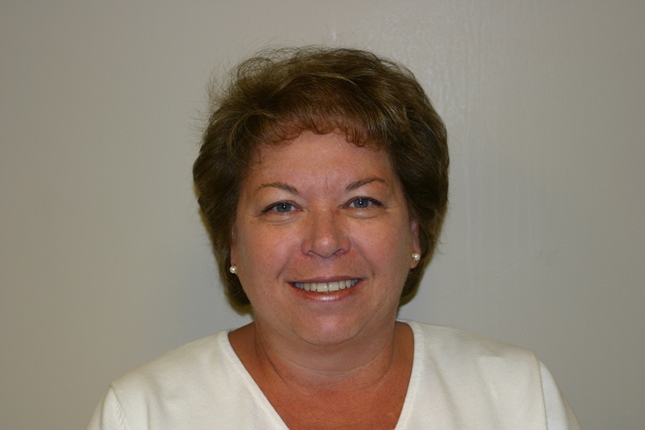
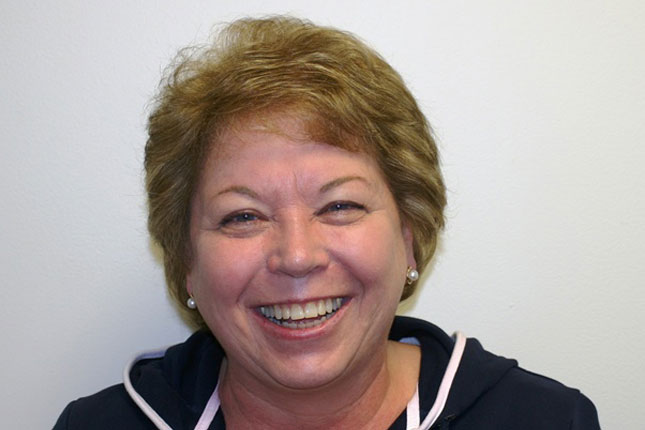
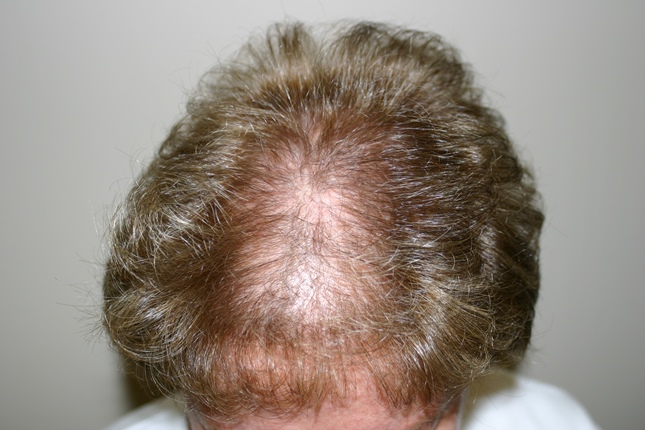
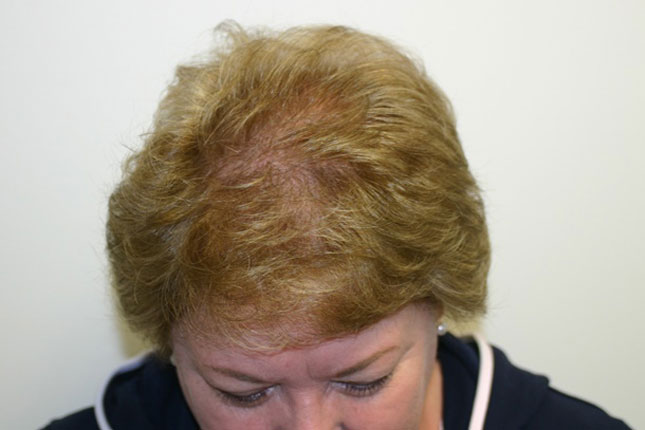
Hair Restoration for Women
Often in our American society, it’s considered “normal” for a man to lose his hair; it is not so for women. Though perhaps a somewhat discomforting experience for many men, it is not considered unusual. Unfortunately, treating hair loss or baldness in women frequently does not receive that same openness by the public.
At Leonard Hair Transplants Associates, approximately 15 percent of our surgical patients are women. Compared to a typical hair restoration surgeon’s practice, this number is quite high, which we believe reflects our surgeons’ true commitment and leadership in the field of hair restoration for every individual—man or woman.
Dr. Matthew Lopresti encourages women experiencing hair loss to seek out our hair restoration services without hesitation, fear, or embarrassment. We welcome the opportunity to evaluate any patient who is concerned about her lost or thinning hair.
Learn More About Hair Restoration for Women
Hair Restoration for Transgender Patients
Hair plays a powerful role in how we see ourselves, and for many male-to-female transgender patients, the hairline can be one of the most important details in feeling fully aligned with their identity. A receding hairline or thinning at the temples can feel especially frustrating, and restoring these areas can have a meaningful impact on confidence and self-expression.
Hair transplant surgery for transgender patients often focuses on creating a softer, more feminine hairline by adding density to the front and temples. Achieving the right fullness sometimes requires more than one procedure, with treatments spaced about 18 months apart so that the transplanted hair from the first session has time to grow before adding additional coverage. Every plan is tailored to the individual, balancing realistic expectations with the goal of a natural, voluminous hairline that complements facial features. By taking a careful, step-by-step approach, patients can enjoy long-lasting results while feeling supported and understood throughout their transition.
Learn More About Transgender Hair Restoration
Can Facial Hair Be Transplanted?
In addition to restoring a fuller head of hair, our surgeons perform eyebrow restoration to create a thicker brow appearance. This includes non-surgical and surgical treatments that can effectively address or camouflage hair loss caused by genetics, excessive plucking, disease or disorder, or another concern.
Learn More About Eyebrow Restoration
Are There Non-Surgical Treatments to Help Regrow Hair?
We offer a comprehensive range of state-of-the-art minimally invasive and non-surgical treatments for hair loss such as PRP with ACell® Injection Therapy, Propecia®, and Rogaine® Foam. These methods can be used in conjunction with hair transplant surgery or as alternatives to the procedure if the patient is not yet a candidate. During your initial consultation, we can discuss your desired outcome and unique needs to determine the best course of action.
In addition, we offer Spectrum MD by Capillus, an advanced low-level laser therapy (LLLT) system designed to stimulate hair follicles, improve scalp health, and support thicker, healthier hair growth. Spectrum MD by Capillus is a convenient, non-invasive treatment that can be performed in-office or at home, making it an excellent option for patients seeking a medically guided, drug-free approach to hair restoration.
During your consultation, our hair restoration team will evaluate your degree of hair loss, goals, and lifestyle to determine whether non-surgical treatments, surgical restoration, or a combination of both will provide the best long-term outcome.
Why Choose Us for Your Hair Transplant?
Hair restoration has been the focus of Leonard Hair Transplant Associates for more than 30 years. During that time, men and women throughout Massachusetts and New England have taken the step from wondering what can be done about their hair loss to finally understanding their options and feeling excited about what may be possible.
As Chief Hair Restoration Surgeon, Dr. Matthew Lopresti personally performs Follicular Unit Excision (FUE) and Follicular Unit Transplantation (FUT). Every procedure is planned around the individual, including the strength of the donor hair in the back of the scalp, the condition of the existing hair and how the pattern of hair loss may change over time. The goal is to create natural looking results that feel like part of the person, not simply the result of a procedure.
That sense of confidence begins before surgery ever takes place. Patients receive a clear explanation of their options, expected recovery, possible scarring and hair growth timeline, along with an honest understanding of what can realistically be achieved. Knowing what to expect allows patients to move forward feeling informed, comfortable and genuinely excited about starting the process.
Additional Frequently Asked Questions About Hair Transplants
Is There a Best Time to Have My Transplant?
When planning a hair transplant, it’s important to factor in 10 to 14 days of post-operative visibility, as the transplanted areas may be noticeable during that period. The good news is that wearing a baseball hat is allowed immediately after surgery, so you can continue your routine while your scalp heals. The time of year does not affect the procedure, so you can schedule it whenever it is convenient. The sooner you begin, the sooner you can start seeing new hair and enjoy the results.
Before hair transplant surgery, ongoing hair loss can often be managed with medical treatments like Platelet Rich Plasma (PRP) with ACell® therapy, Propecia®, or Rogaine Foam®. In some cases, it may simply be too early for a surgical procedure, which is why a one-on-one evaluation with Dr. Matthew Lopresti helps determine the right timing and treatment plan. With careful planning and realistic expectations, patients can achieve natural, long-lasting results with minimal disruption to daily life.
What Is a Good Age for a Hair Transplant?
There is no “perfect” age for a hair transplant. At our offices, we have patients ranging from their early twenties to their early nineties. Good candidates for the procedure, however, are men and women who have realistic expectations of the results, and what can be achieved after a proper examination of one’s scalp. An adequate donor area is also necessary. Because each individual is unique, only an honest evaluation with a hair restoration professional can help someone decide when a transplant is most appropriate for them.
Will I Be Awake During Hair Transplantation Surgery?
Yes, hair transplant patients are completely awake and alert during the procedure. Since only a mild, local anesthetic is used, patients are able to watch television, movies, or read while they sit in a comfortable chair. If, however, you would prefer a mild sedative for the surgery, it can be arranged.
How Long Does the Hair Transplant Procedure Take?
Generally, a typical strip harvesting surgery will take around 5 hours, while the Follicular Unit Excision (FUE) technique requires patients to be in the office for up to 8 hours. The time of surgery also depends on the size of the session.
Can Someone Else’s Hair Be Used to Transplant?
No. Hair transplant surgery must use the patient’s own follicles because the body would recognize another person’s hair as foreign tissue and reject it. During a procedure with Dr. Matthew Lopresti, healthy donor follicles are taken from the back of the patient’s scalp and moved to the areas where additional coverage is needed.
For patients thinking further ahead, HairClone® hair follicle banking offers a way to preserve approximately 100 to 120 of their own healthy follicles through cryopreservation. The follicles remain stored at very low temperatures for potential use with future cell based hair loss treatments.
HairClone is developing a personalized treatment that would multiply cells from the stored follicles and inject them into thinning areas with the goal of helping miniaturizing hairs become thicker. Early clinical testing began in Guatemala in 2026, but the cell therapy is still being studied and is not currently approved or available as a hair loss treatment in the United States. Hair follicle banking is available now, allowing patients to preserve healthy follicles while researchers continue developing future uses.
Do You Perform the Hair “Plug” Transplants?
No! We have not used the hair plug technique for over 38 years. The hair plug technique was developed in the 1950s, and was widely used up until the late 1980s. Today’s methods have advanced with state-of-the-art precision and smaller hair grafts, consisting of only 1 to 4 hairs.
How Long Will the Hairs Be Immediately After the Transplant?
The hairs are typically a few millimeters in length immediately following the hair transplant procedure. Once transplanted, the new hairs sometimes give the appearance of growing but in actuality are just being thrust out. Within a 2-3 week period, almost all of the newly transplanted hairs will have shed. Approximately three to four months following this initial shedding, the new growth of hair begins.
When Can I Start Exercising Again After My Transplant Surgery?
You can typically resume light exercise four days after the procedure. Once the donor area stitches have been removed, you can then resume your weight training. With the FUE procedure, you may resume weight training sooner.
Is It Okay to Wear My Hairpiece After Surgery?
You should not wear a hairpiece during the first three days after hair transplant surgery because your scalp and newly transplanted grafts need time to heal without added pressure. After that, the hair restoration team will explain when and how you can safely begin wearing it again.
As your transplanted hair begins to grow, something else may begin to change too. You may spend less time thinking about whether your hairpiece looks right, feels secure or has shifted out of place. The transition happens gradually, but for many patients, the real reward is simply feeling more comfortable and free to enjoy the moment without worrying about their hair.
When Will the Hair Start to Grow?
About 5 to 6 months after a hair transplant, you’ll start to notice new hairs sprouting in the transplanted areas. These hairs are usually thin and curly at first, which is why many patients describe early growth as “patchy.” This happens because the follicles are transitioning from the dormant phase they were in during transplantation into the active growth phase. Hair grows at roughly a 1/4 of an inch per month and gradually thickens and straightens as the follicles settle into their new location.
By 7 to 8 months, the new hairs are generally one to one and a half inches long. Because growth is gradual, it can be easy to overlook day-to-day changes, even though the follicles are actively producing stronger, more mature hair. At this stage, the hair is fully groomable and begins to blend more naturally with your existing hair. Between 9 and 12 months, you’ll usually see the most noticeable increase in density, with full results continuing to develop over 16 to 18 months as the follicles complete their growth cycles, producing long-lasting, natural-looking hair.
Can I perm or color my new hair?
You should wait about one month after hair transplant surgery before coloring your hair. During the first few weeks, the scalp is still healing and the newly transplanted follicles are settling into place. Hair dye and other coloring agents can irritate the scalp, increase inflammation, and interfere with this early healing phase, which is why coloring is not recommended right away.
After the one-month mark, coloring your hair is generally safe because the follicles have anchored and the skin has recovered. Since the transplanted hair is your own, it responds to color the same way the rest of your hair does. Allowing that initial healing time helps protect your results and ensures the new hair grows in healthy and strong.
Schedule Your Hair Transplant Consultation
Wondering whether FUE or FUT hair transplant surgery may be right for you? Schedule a complimentary consultation with Leonard Hair Transplant Associates. An experienced member of our hair restoration team will review your hair loss, donor hair and goals while helping you understand the available options. If surgery is appropriate, Chief Hair Restoration Surgeon Dr. Matthew Lopresti will personally develop your surgical plan and perform your procedure.