



Elias
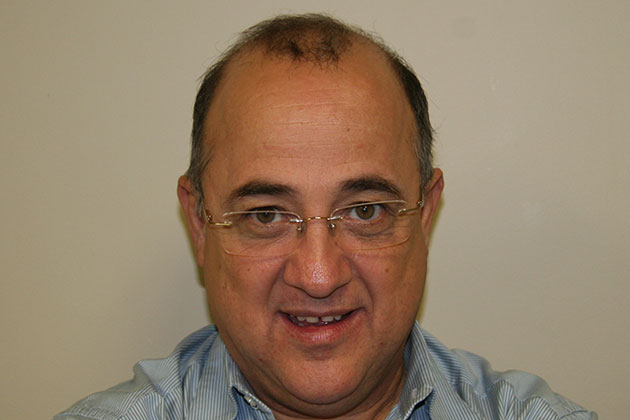
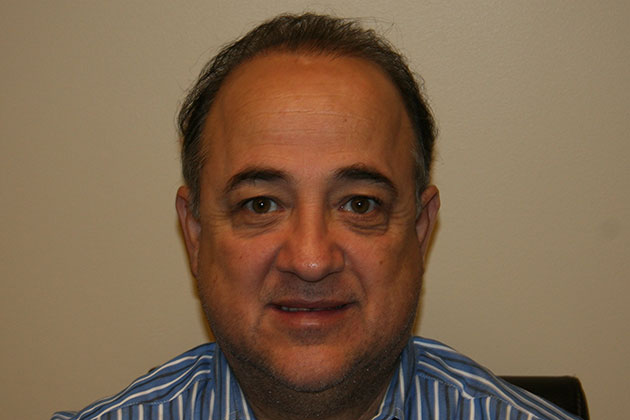
Patient Details:
Elias Dos Santos Hair Transplant Results
Patient Details
When Elias Dos Santos moved from Brazil to Massachusetts, he was building a new life while becoming increasingly aware of something that had started years earlier. His hair was disappearing.
Elias, who lives in Abington, Massachusetts, first noticed his hair thinning around age 32. As Director of Marketing for a Brazilian radio program in Massachusetts, his career regularly put him in front of people and made first impressions part of his everyday life. As his hair loss progressed, it began affecting how comfortable and confident he felt about his appearance.
By the time Elias came to Leonard Hair Transplant Associates, this was no longer a matter of slight recession or an area of early thinning. He had experienced substantial hair loss across the top of his scalp, including the frontal region that had once helped frame his face.
Elias had wanted to address his hair loss for years. After hearing advertisements for complimentary consultations at Leonard Hair Transplant Associates, he decided it was time to stop wondering what could be done and actually find out.
Why Did Elias Decide to Have a Hair Transplant?
Elias decided to have hair transplant surgery because he had experienced significant permanent hair loss and wanted to restore his own naturally growing hair rather than continue watching the loss progress.
His hair loss and scalp were evaluated, and Elias was determined to be a candidate for surgical hair restoration. His procedure was performed at the practice’s former Cranston, Rhode Island location using the hair transplant approach selected for him at that time.
For Elias, the goal went beyond simply putting more hair on top of his head. Years of hair loss had changed the relationship between his hair and his face. Restoring hair to the frontal region could bring back some of that visual framing while improving coverage through areas affected by his more extensive loss.
Elias remembers the procedure itself as being considerably easier than he expected. He described the experience as “great” and recalled having “no problems or pain.”
The result, of course, did not appear overnight. Transplanted follicles require time to heal and begin producing new hair, with growth developing gradually over the months following surgery. Nearly two years after his procedure, Elias had seen his mature result and described how he felt about it in one word: “wonderful.”
Why Does Frontal Hair Loss Change the Way Someone Looks?
Frontal hair loss can noticeably change someone’s appearance because the hair across the front of the scalp creates a visual frame around the upper face.
That was an important part of Elias’s story. His hair loss had progressed across the top of his scalp while also taking away much of the frontal hair that previously defined where his forehead ended and his hair began. As that framing disappeared, the overall extent of his hair loss became increasingly noticeable to him.
Hair restoration in a patient with this degree of loss requires perspective. The objective is not to recreate the exact head of hair someone had at 18 or pretend that extensive hair loss never occurred. It is to determine how the available hair can be used to create a meaningful, natural-looking improvement that fits the patient’s face and existing pattern of loss.
For Elias, that improvement changed more than his photographs. After years of being conscious of his thinning hair, he said he felt more confident than he had in years.
Hair had been disappearing from the picture for a long time.
Now it was part of the picture again.
Can a Hair Transplant Restore Hair After More Advanced Hair Loss?
Hair transplant surgery may restore naturally growing hair for some patients with more advanced hair loss, but candidacy depends on whether enough suitable permanent donor hair remains available to create a worthwhile result.
This is why two people who appear to have similar hair loss may receive very different recommendations. The amount of visible loss is only part of the equation. A hair restoration surgeon also needs to consider the quality and density of the permanent hair at the back and sides of the scalp, the patient’s existing hair, age, pattern of loss and what may happen as genetic hair loss continues.
For patients with extensive loss, expectations are especially important. Hair transplantation redistributes existing permanent follicles. It does not create new follicles or return the scalp to its original density. A successful plan therefore depends on deciding where transplanted hair can make the greatest visual difference.
Elias’s photographs show what that meant in his individual case. His result should not be interpreted as a promise that another patient with similar-looking hair loss will achieve the same outcome. Every patient’s hair loss, donor area and surgical possibilities are different.
What Can Patients Learn From Elias’s Hair Transplant Results?
Elias’s experience shows why the decision to address hair loss does not always happen when someone first notices thinning. He began losing hair in his early thirties but lived with the progression for years before finally scheduling an evaluation.
That is common. Some people want answers immediately. Others wait until hair loss becomes difficult to style around, starts changing how they see themselves in photographs or simply reaches the point where they are ready to do something about it.
What matters is understanding what options remain when that point arrives. For some patients, existing hair may still be the primary focus of treatment. For others who have already experienced permanent loss, surgical restoration may be considered if the donor area can support it.
Elias had spent years thinking about his hair loss before walking through the door. Once he finally did, the conversation changed from what he was losing to what could realistically be restored.
Hair Transplant Evaluation in Boston, Massachusetts and Rhode Island
Today, hair transplant surgery at Leonard Hair Transplant Associates is personally performed by Chief Hair Restoration Surgeon Dr. Matthew Lopresti, who performs FUE and FUT procedures in Newton, Massachusetts and Warwick, Rhode Island.
Patients are evaluated individually to determine the cause and extent of their hair loss, whether sufficient permanent donor hair is available and whether surgical restoration is appropriate. Dr. Lopresti treats men and women from Greater Boston, throughout Massachusetts and Rhode Island, across New England and patients who travel to the practice from outside the region.
For someone experiencing hair loss similar to Elias’s, the first step is not choosing a number of grafts or deciding between FUE and FUT. It is determining what has been permanently lost, what remains available to work with and what can realistically be accomplished.
Elias waited years before asking that question.
His results show why it was worth asking.
Patient Profile
Patient: Elias Dos Santos
From: Abington, Massachusetts
Originally from: Brazil
Occupation: Director of Marketing for a Brazilian radio program in Massachusetts
Gender: Male
Hair loss began: Around age 32
Primary concern: Extensive hair loss across the top of the scalp with significant frontal loss
Treatment: Hair transplant surgery
Elias on his procedure
“Great, there were no problems or pain.”
Elias on his results
“Wonderful.”