


Rogaine Foam®
If you’ve noticed your hair thinning, Rogaine Foam® is one of the most accessible, over-the-counter options available for men and women looking to slow hair loss. Hair loss usually doesn’t happen all at once. It’s a little more scalp showing, less density when you style your hair or more hair coming out than you remember. You notice it before everyone else does. And you don’t have to wait until they notice it too. Starting Rogaine Foam® while you still have hair to protect may be one of the simplest first steps you can take.
Below, we cover what Rogaine Foam® is, who it’s right for, how to use it, and what kind of results you can expect.
- What Is Rogaine Foam®?
- Rogaine Foam® Candidates
- How to Use Rogaine Foam®
- Rogaine Foam® Results
- Does Rogaine Foam Only Work on the Crown?
- Stopping Rogaine Foam®
- Does Rogaine Foam Cause Shedding?
- Combining Rogaine Foam® with Other Treatments
- Rogaine Foam® for Men vs. Women
What Is Rogaine Foam®?
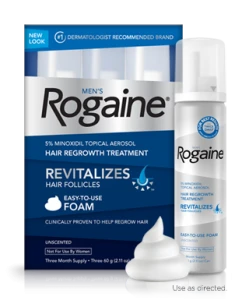 Rogaine Foam® is an over-the-counter topical hair loss treatment containing minoxidil for men and women with pattern hair loss. Minoxidil works directly on the scalp to help support thinning hair follicles and extend the growth phase of the hair cycle, which can help slow hair loss and promote thicker hair growth over time.
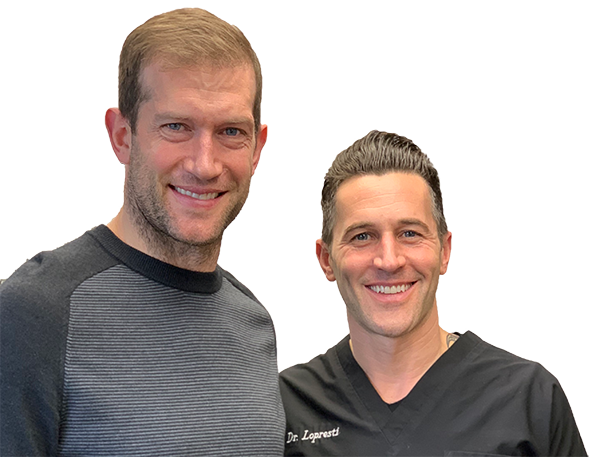
Rogaine® has been used to treat hair loss for decades, but that doesn’t mean it works the same way for everyone. As an experienced hair restoration doctor, Dr. Lopresti can evaluate your type and pattern of hair loss and determine whether Rogaine Foam® makes sense on its own or as part of a larger hair restoration plan. Because sometimes the goal isn’t getting back everything you’ve lost. It’s making sure you don’t unnecessarily lose what you still have.
Am I a Candidate for Rogaine Foam®?
Rogaine Foam® may be appropriate for men and women experiencing early to moderate hereditary pattern hair loss, also known as androgenetic alopecia. Minoxidil is generally most useful when thinning hair follicles are still present, which is one reason starting treatment earlier in the hair loss process may be beneficial.
Good candidates for Rogaine Foam® generally:
- Are experiencing gradual thinning rather than sudden, patchy, or total hair loss
- Have a family history of pattern hair loss
- Are looking for a non-surgical hair restoration treatment with low commitment
- Are willing to use minoxidil consistently over the long term
Not every type of hair loss should be treated with Rogaine Foam®. Sudden or patchy hair loss, or hair loss related to another medical condition, may require a different approach. Dr. Lopresti can evaluate the type and stage of your hair loss and determine whether Rogaine Foam® may help on its own or whether another non-surgical hair loss treatment or hair restoration option makes more sense.
How Do I Use Rogaine Foam®?
Rogaine Foam® is applied directly to the areas of the scalp affected by hair loss. Because the active ingredient, minoxidil, needs to reach the scalp rather than simply coat your hair, proper application and consistent use are important.
To apply Rogaine Foam®:
- Start with a dry or towel-dried scalp and hair.
- Part your hair to expose the areas where you are experiencing thinning.
- Dispense the recommended amount of foam according to the directions for your specific Rogaine product.
- Apply the foam directly to the scalp and gently massage it into the thinning areas.
- Wash your hands thoroughly after applying.
Follow the dosing instructions for the specific men’s or women’s Rogaine Foam® product you are using. Using more than the recommended amount won’t make your hair grow faster.
The application only takes a few minutes. The commitment is longer. Minoxidil works best with consistent, continued use, so the real goal is making Rogaine Foam® part of your routine and giving it time to work.
How Long Does It Take to See Rogaine Foam® Results?
As a reminder, Rogaine Foam® results take time. Some people may begin noticing less shedding after several months of consistent minoxidil use, while visible improvements in hair growth, thickness and density can take six months or longer. It may take up to a year to get a better sense of how well Rogaine Foam® is working for you.
And the first result you notice may not be new hair. It may be the hair you’re no longer losing. Your part isn’t getting wider. Your crown isn’t looking thinner. The progression you were worried about seems to have slowed down. When hair loss is progressive, keeping what you have can be a result worth paying attention to.
Rogaine Foam® is a long-term hair loss treatment, and results vary from person to person. Dr. Matthew Lopresti can evaluate your progress over time and determine whether minoxidil is helping you maintain or improve your hair and whether another treatment should be considered as part of your hair restoration plan.
Does Rogaine Foam® Only Work on the Crown?
There is a misconception that Rogaine® can only stop hair loss on the crown of the head. The truth is this treatment can be used effectively on the entire scalp. We recommend applying the foam directly to the areas where you notice hair loss.
What Happens if Rogaine Foam® Is Stopped?
If you stop using Rogaine Foam®, the benefits of minoxidil will not last indefinitely. Hair that was being maintained or supported by treatment may gradually be lost, and your underlying pattern hair loss can continue. That’s why continued use is generally necessary to maintain your Rogaine® results.
Rogaine® doesn’t permanently change the genetics behind your hair loss. Think of it less like fixing something once and more like protecting something you want to keep. As long as keeping your hair matters to you, consistency matters too.
Life happens, and missing an occasional application doesn’t mean you’ve ruined your progress. Simply return to your normal Rogaine Foam® schedule rather than using extra product to make up for a missed application.
Does Rogaine Foam® Cause Shedding?
Yes, some people may experience temporary increased shedding after starting Rogaine Foam®. Minoxidil can affect the hair growth cycle, causing older hairs to shed as follicles transition into a new growth phase. This initial shedding does not necessarily mean Rogaine® is making your hair loss worse.
We understand why seeing more hair come out after starting a treatment for hair loss can feel like the exact opposite of what should be happening. Don’t panic or assume the treatment has failed. Temporary shedding can occur as your hair adjusts to minoxidil, but everyone responds differently.
If shedding seems excessive, continues longer than expected or you experience scalp irritation or other side effects while using Rogaine Foam®, Dr. Lopresti can evaluate what you’re experiencing and help determine what makes sense for you.
Combining Rogaine Foam® with Other Treatments
Rogaine Foam often works even better when paired with other treatments. Some combinations we commonly discuss with patients include:
- Rogaine Foam plus Propecia®: Minoxidil helps support hair growth, while finasteride works differently by reducing DHT, a hormone that plays a major role in male pattern hair loss.
- Rogaine Foam plus PRP with ACell® Injection Therapy: PRP with ACell uses your body’s own growth factors to strengthen weakened follicles.
- Rogaine Foam as a supportive treatment after hair transplant surgery: Many surgeons recommend continuing minoxidil after a transplant to protect existing hair.
Hair loss doesn’t always have one problem or one solution. Sometimes the best plan is about protecting the hair you still have while restoring the hair you’ve already lost. Dr. Lopresti can determine which treatments make sense together and which ones you simply don’t need.
Rogaine Foam® for Men vs. Women
Rogaine Foam® is formulated and marketed separately for men and women, and there are some meaningful differences worth understanding.
Formulation: Both men’s and women’s Rogaine Foam® are available with 5% minoxidil, but the recommended frequency of use differs depending on the specific product. Follow the directions for the Rogaine® product you are using.
- Pattern of hair loss: Men typically experience thinning at the hairline, temples, and crown, often progressing to a horseshoe-shaped pattern. Women more commonly experience diffuse thinning across the top of the scalp, with the hairline usually staying intact. Because of this, application technique may be adjusted slightly depending on where the thinning is concentrated.
- Response to treatment: Both men and women can see meaningful results with consistent use, though studies suggest women may be slightly more likely to notice regrowth, while men often see stronger results in stabilizing further loss. Individual results vary widely, which is part of why a personalized consultation matters.
- Side effects: Both formulas carry a similar safety profile, though men and women can experience scalp irritation or other side effects from topical minoxidil. Unwanted facial hair growth can also occur, particularly if the medication repeatedly comes into contact with areas outside the scalp.
The active ingredient may be the same, but your hair loss isn’t. Dr. Lopresti can evaluate your individual pattern of hair loss and determine whether Rogaine Foam®, minoxidil or another hair loss treatment makes the most sense for you.
Learn More About Rogaine®
If you’re researching Rogaine Foam®, chances are you’ve already noticed something changing with your hair. The question now is what you can do about it. If you would like to learn more about whether Rogaine is a suitable form of treatment for you, or if you would like to schedule a consultation with our skilled hair restoration surgeons, please contact us today.