



How to Spot, Diagnose, and Treat Hair Loss
A small amount of daily hair shedding is normal, but noticeable thinning, changes in density or continued hair loss may be signs that it is time for an evaluation. Our experienced Chief Hair Restoration Surgeon Dr. Matthew Lopresti helps men and women understand what may be causing their hair loss and which treatment options may be appropriate. In many cases, identifying hair loss early can provide more options for preserving existing hair.
How to Detect Hair Loss
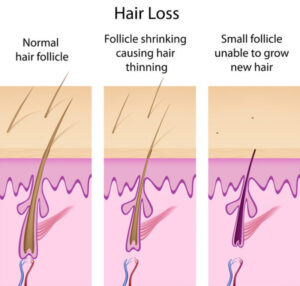 Many people rely on the mirror test—checking for signs of thinning or a receding hairline. But as mentioned above, by this point significant hair follicle miniaturization may have already occurred. One of the best ways to determine if hair loss is progressing is to do a hair count to determine how many hairs you shed each day. Although somewhat tedious, this method can be one of the most accurate in determining whether there’s an issue at hand. Check your pillow each morning, look over your comb or brush, and examine the shower drain after bathing (clear these areas each day so you’re not accidentally counting multiple days’ worth of shedding). If you find that you’re routinely losing more than 100 strands a day, it might be time to talk to us. A hair loss evaluation can help determine whether your hair loss is progressing, identify possible causes and help determine which treatment options may be appropriate.
Diagnosing the Cause
The most common hair loss cause is genetics. However, there are other types of hair loss that should be considered before you decide upon a treatment. Though very uncommon, if the underlying origin of your issue is something treatable, such as a medical condition, medications, nutrient deficiency, or stress, for instance, addressing these concerns should be considered. If hair thinning is determined to be due to genetics, there’s no reason to lose hope. Today’s advances have made it possible to halt hair loss and restore hair with natural-looking results.
Choosing an Effective Treatment
The type and severity of hair loss will help determine which treatment or treatments will be most effective in helping you minimize further thinning. At our practice, we often combine non-surgical and surgical techniques to optimize the outcome. In addition to state-of-the-art hair transplant surgery techniques, we offer minimally invasive hair loss treatments like Platelet Rich Plasma (PRP) with ACell® Injection Therapy, and medical options such as ROGAINE FOAM® and Propecia®. During your initial complimentary consultation, we will evaluate your concerns, discuss your goals and help determine which hair loss treatment options may be appropriate for you. From there, we can develop a personalized treatment plan based on your hair loss, needs and desired outcome. We understand how distressing hair loss can be for both men and women, and we are here to help you understand your options and find the right solution.
For more information on how to detect and treat hair loss, or to schedule a consultation, please contact our practice today.