


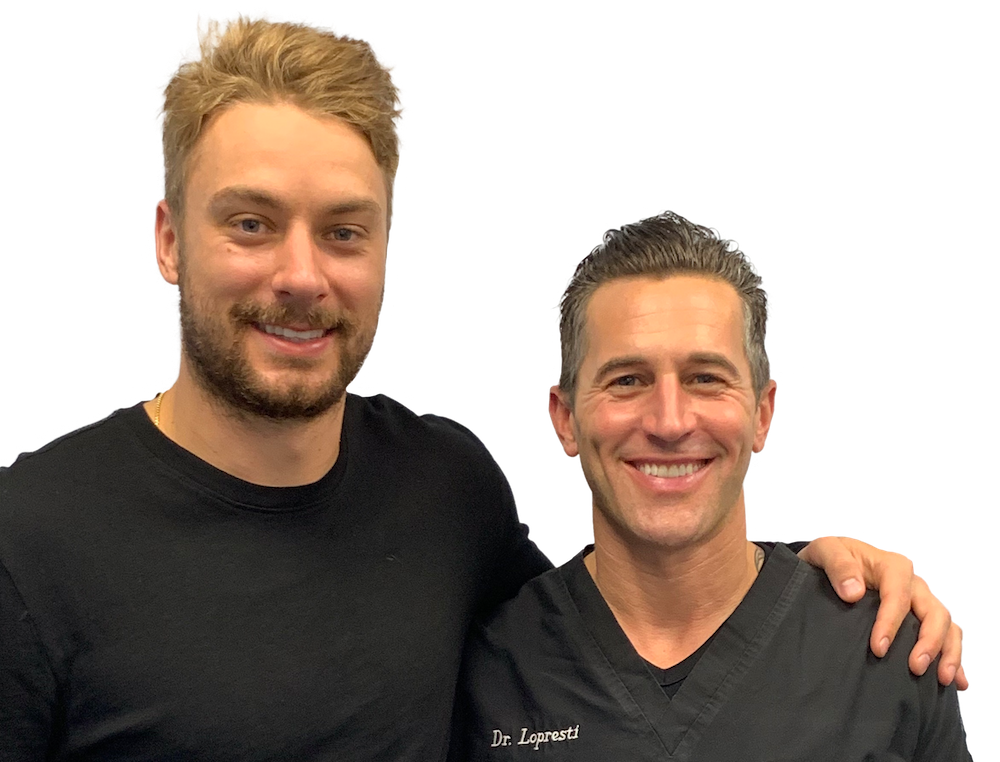
Dr. Matthew Lopresti at 2026 ISHRS World Congress in Brazil
There’s a reason I make time to attend international hair restoration conferences. No matter how long you’ve been practicing, there’s always something worth learning, someone worth listening to, or a different perspective worth considering. I recently returned from Rio de Janeiro, Brazil, where I attended the 2026 International Society of Hair Restoration Surgery (ISHRS) World Congress, held October 15–17 at the Windsor Convention Center & Hotels.
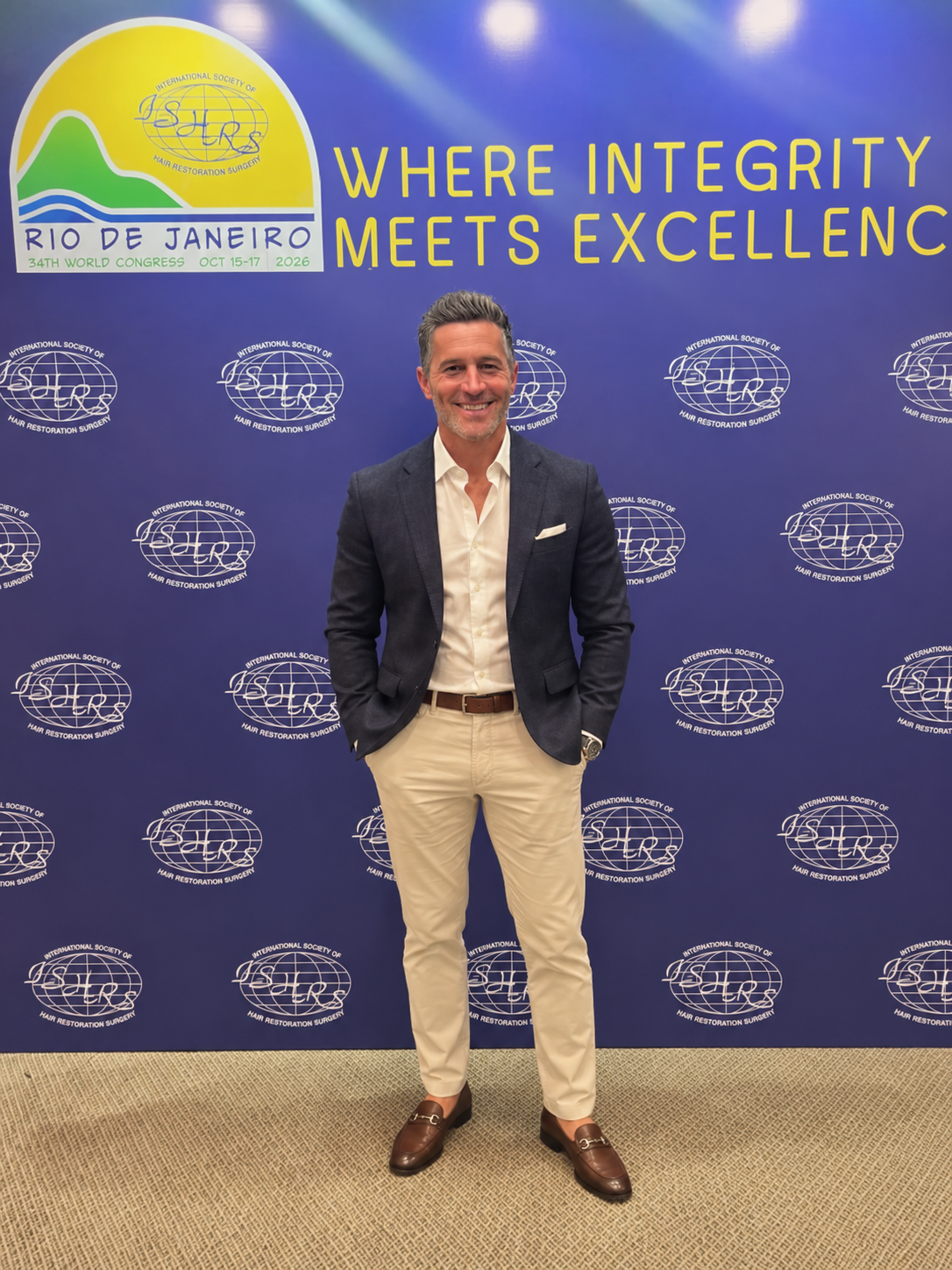 The congress brought together hair restoration surgeons and medical professionals from around the world for three days of education, scientific discussions, and networking. It’s an opportunity to connect with colleagues who share the same goal of improving the way we approach hair restoration and patient care. This year’s theme was “Integrity in Hair Restoration Surgery,” and I think that’s an especially important conversation to be having.
If you’ve spent any time researching hair transplants online, you’ve probably noticed how much information is out there. You’ll see advertisements for the latest technology, promises of incredible results, and plenty of opinions about which procedure is best. But here’s what I always tell patients. Just because something is new doesn’t automatically mean it’s better, and what works for one person may not be right for someone else. That perspective is one reason I value being involved with the ISHRS.
The educational program in Rio covered a wide range of subjects, including artificial intelligence and digital surgical planning, regenerative therapies, corrective hair transplant surgery, Afro-textured hair restoration, and scarring alopecia. These are all areas being discussed within the hair restoration community as surgeons continue to evaluate techniques, technology, and approaches to treating hair loss. I participated in educational sessions and enjoyed connecting with colleagues from different parts of the world. Having the opportunity to exchange ideas and hear different perspectives is one of the things I appreciate most about these meetings.
And while technology and techniques will continue to evolve, I believe the most important part of hair restoration remains the same. Understanding the patient. When someone visits me at Leonard Hair Transplant Associates, my first priority isn’t deciding which procedure to perform. It’s understanding their hair loss, what they’re hoping to accomplish, and what makes sense for them in the long term.
For some patients, Follicular Unit Excision (FUE) may be an appropriate option. For others, Follicular Unit Transplantation (FUT) may be a better fit. Sometimes a non-surgical approach makes more sense, and sometimes my recommendation is to wait. Those decisions should always be based on the individual patient, not the popularity of a particular technique.
As Chief Surgeon at Leonard Hair Transplant Associates, a Diplomate of the American Board of Hair Restoration Surgery (ABHRS), and a Fellow of the International Society of Hair Restoration Surgery (FISHRS), continuing education and staying connected with colleagues are important parts of my work. I enjoyed my time in Rio and appreciate the opportunity to be part of an international community committed to maintaining high standards in hair restoration surgery.
At the end of the day, patients aren’t looking for the latest buzzword. They’re looking for honest answers, sound medical judgment, and results that look natural. And that’s what I believe good hair restoration should always be about.
Dr. Matthew Lopresti
Chief Surgeon
Leonard Hair Transplant Associates