


What Is The Most Effective Approach To Hair Loss?
The most effective approach to hair loss depends on what is causing it, how far it has progressed and the individual patient. There is no single hair loss treatment that is right for everyone.
For men and women with hereditary hair loss, treatment may involve one therapy or a combination of approaches designed to help maintain existing hair, improve the appearance of thinning areas or restore hair that has already been lost. Starting treatment earlier may also provide more options for managing progressive hair loss over time.
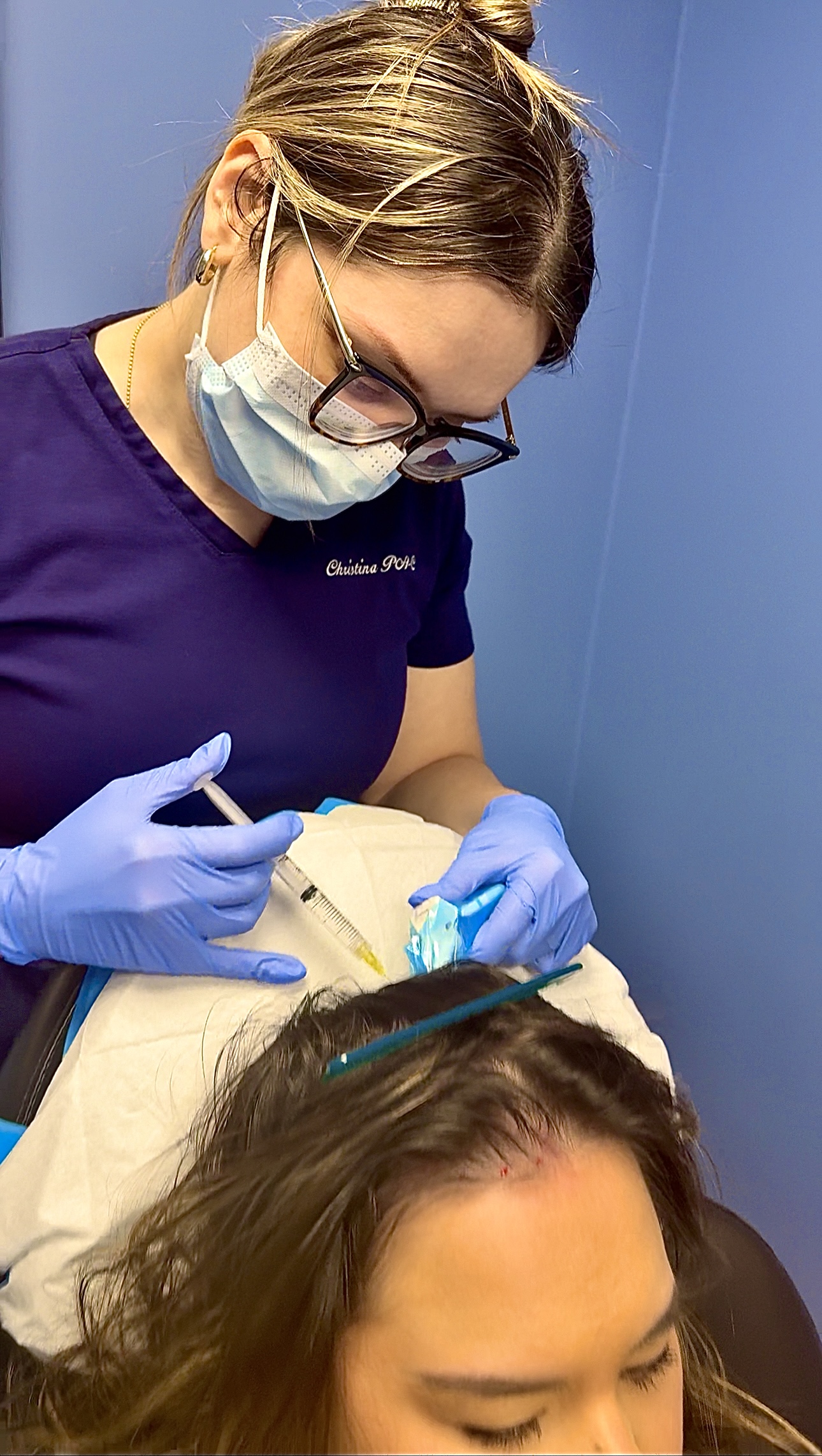 Non-surgical hair loss treatments may include medications such as finasteride for appropriate male patients and minoxidil for men and women. Platelet Rich Plasma with ACell, also known as PRP with ACell, may also be considered for appropriate patients experiencing thinning hair.
Hair transplant surgery may be an option when permanent hair restoration is the goal and the patient has sufficient donor hair. Leonard Hair Transplant Associates offers both Follicular Unit Excision, or FUE, and Follicular Unit Transplantation, or FUT. The appropriate approach depends on factors including the patient’s hair loss pattern, donor area, goals and long-term treatment plan.
In many cases, surgical and non-surgical treatments are not mutually exclusive. A long-term hair restoration strategy may use non-surgical treatment to help maintain existing hair while hair transplant surgery restores hair in areas where it has already been permanently lost.
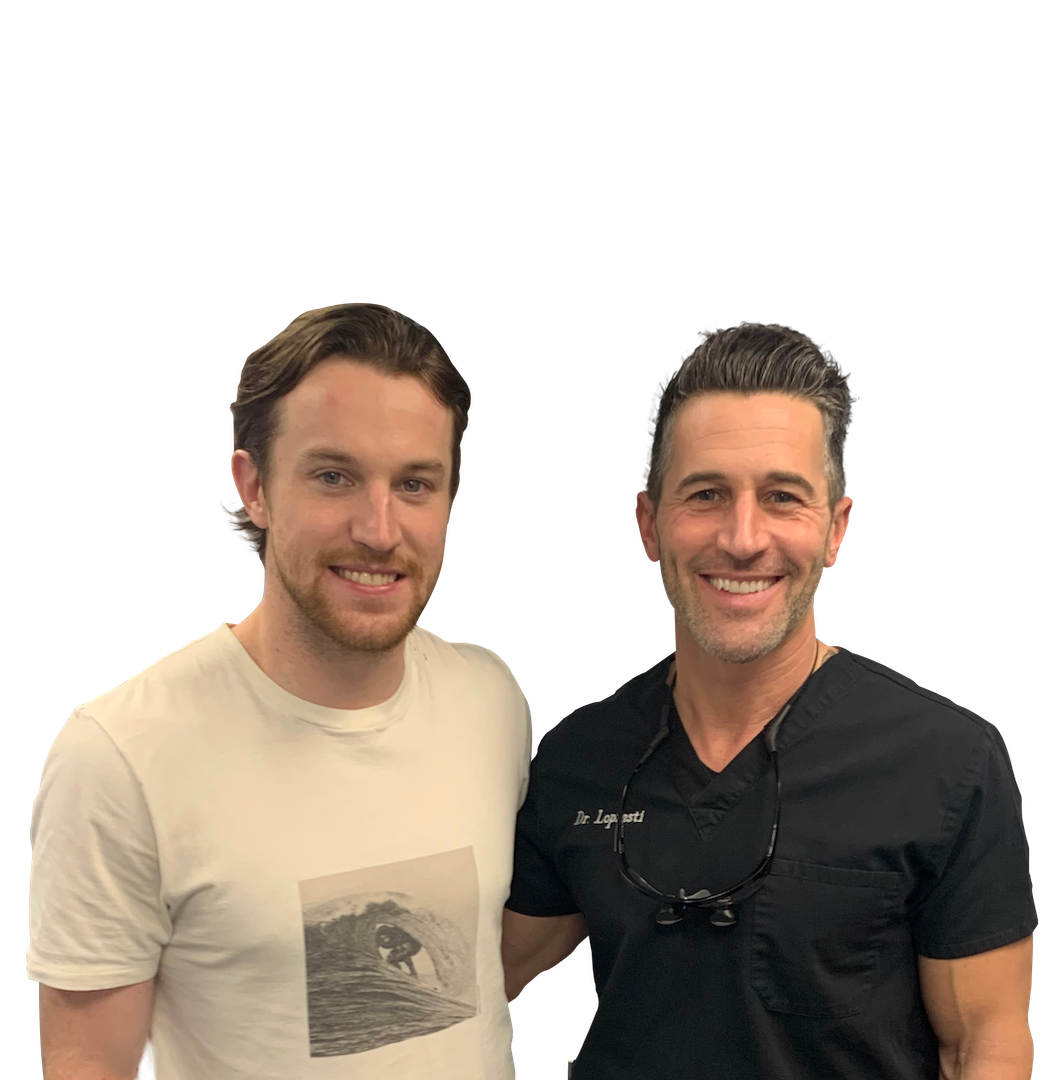
At Leonard Hair Transplant Associates, Chief Hair Restoration Surgeon Dr. Matthew Lopresti evaluates each patient’s hair loss and recommends an individualized approach based on the cause and extent of the hair loss, available donor hair and the patient’s goals.