


Will My Hair Transplant Results Look Realistic?
Yes, a modern hair transplant can look completely natural when the procedure is properly planned and performed using your own growing hair. The goal should not be for someone to notice that you had a hair transplant. The goal is for them to notice your hair.
At Leonard Hair Transplant Associates, Chief Hair Restoration Surgeon Dr. Matthew Lopresti personally performs both Follicular Unit Excision (FUE) and Follicular Unit Transplantation (FUT). For patients considering hair transplant surgery in Boston and throughout New England, achieving a natural-looking result begins long before the first follicle is transplanted.
What Makes a Hair Transplant Look Natural?
A natural-looking hair transplant depends on the design, placement and distribution of the transplanted follicular units, as well as how well the surgical plan works with the patient’s existing hair.
Natural hair does not grow like a row of fence posts. The direction, angle and density vary across the scalp, particularly in the frontal area. A properly designed transplant should account for those differences rather than simply placing as much hair as possible into an area.
The result should also make sense for the patient today and years from now. Hair loss is progressive, which means a transplant should be planned around the possibility of additional future thinning.
Does the Number of Grafts Determine How Natural a Hair Transplant Looks?
No. A larger number of grafts does not automatically produce a better or more natural hair transplant.
Follicular units naturally contain different numbers of hairs. How those units are selected and distributed matters. Single-hair follicular units can be particularly important when creating a soft, natural transition in the frontal area, while units containing additional hairs can help create density farther behind it.
Just as importantly, donor hair is a limited resource. The objective is not to win a graft-count contest. It is to use the available donor hair strategically to create a result that looks appropriate now while preserving options for the future.
Can Both FUE and FUT Produce Natural-Looking Results?
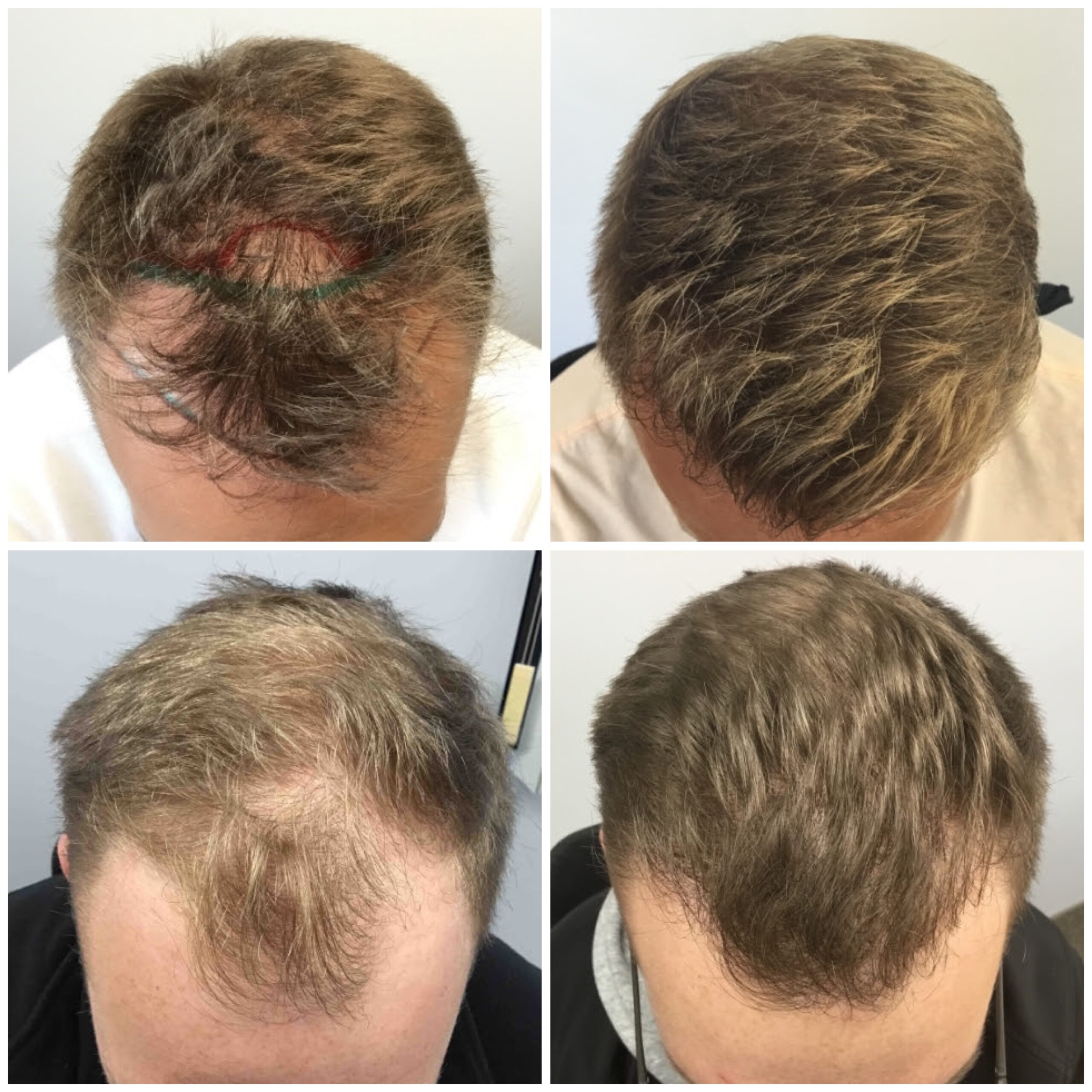 Yes. Both FUE and FUT can produce natural-looking, permanent hair growth when appropriately selected and performed.
The primary difference between FUE and FUT is how donor hair is harvested. With FUE, follicular units are individually removed from the donor area. With FUT, a narrow hair-bearing strip is surgically removed from the donor area and then divided into individual follicular units for transplantation.
One technique is not automatically more natural-looking than the other. The appropriate approach depends on factors including the patient’s donor area, hairstyle, degree of hair loss, previous procedures and long-term restoration needs.
Dr. Lopresti performs both FUE and FUT, allowing the surgical recommendation to begin with the patient rather than with a single technique.
Why Does the Surgeon Matter?
The surgeon matters because hair transplantation combines surgical technique with aesthetic judgment.
Technology can assist a procedure, but it cannot decide what will look appropriate on a particular patient years from now. The surgeon must evaluate the donor supply, anticipate future hair loss, design the transplanted area and determine how the available follicles should be used.
Dr. Lopresti was extensively mentored by Leonard Hair Transplant Associates founder Dr. Robert Leonard through a dedicated two-year preceptorship and today leads the practice’s surgical team.
How Long Does It Take for a Hair Transplant to Look Natural?
Hair transplant results develop gradually, with more meaningful cosmetic improvement generally becoming visible around nine to twelve months and final growth and maturation taking approximately 16 to 18 months.
Early new hairs typically begin emerging around five to six months. Those hairs continue to grow, thicken and mature over the following months, which is why judging a transplant too early can give an incomplete picture of the final result.
The best hair transplant results do not arrive overnight. Neither does natural hair.
How Can I Judge a Surgeon’s Hair Transplant Results?
Look at real before-and-after photographs of patients with hair loss patterns similar to your own.
Pay attention to the frontal transition, overall density, styling and whether the result appears appropriate for the patient’s age and degree of hair loss. Consistent photography also matters. Dramatically different lighting, angles, hair length or styling can make comparisons difficult.
Leonard Hair Transplant Associates maintains a gallery of actual patient results so prospective patients can evaluate the type of work performed by the practice.
Where Does Dr. Lopresti Perform Hair Transplant Surgery?
Dr. Matthew Lopresti performs hair transplant surgery at Leonard Hair Transplant Associates’ surgical locations in Newton, Massachusetts and Warwick, Rhode Island. The practice also provides complimentary hair loss consultations for patients throughout Boston, Massachusetts, Rhode Island, New Hampshire and the greater New England region.
A consultation allows the team to evaluate your hair loss, donor area and long-term goals and determine whether FUE, FUT or a non-surgical approach may be appropriate.
A natural-looking hair transplant should not announce that you had surgery. It should simply look like your hair.
Contact Leonard Hair Transplant Associates to schedule a complimentary hair restoration consultation and learn what may be possible for your type and stage of hair loss.