


PRP with ACell for Hair Loss: How It Works and What to Expect

Hair loss can be a distressing experience, impacting our self-esteem and confidence. With numerous treatment options available, it’s essential to explore the most effective and convenient methods for combating this issue. In recent years, Platelet Rich Plasma (PRP) with ACell has gained significant attention as an effective and convenient option for combating hair loss.
One of the primary factors that make PRP with ACell an excellent choice for hair loss treatment is its convenience, especially for busy individuals. PRP with ACell treatments typically involve two treatments in the first year and then just one treatment per year long term, allowing patients to easily incorporate them into their schedules.
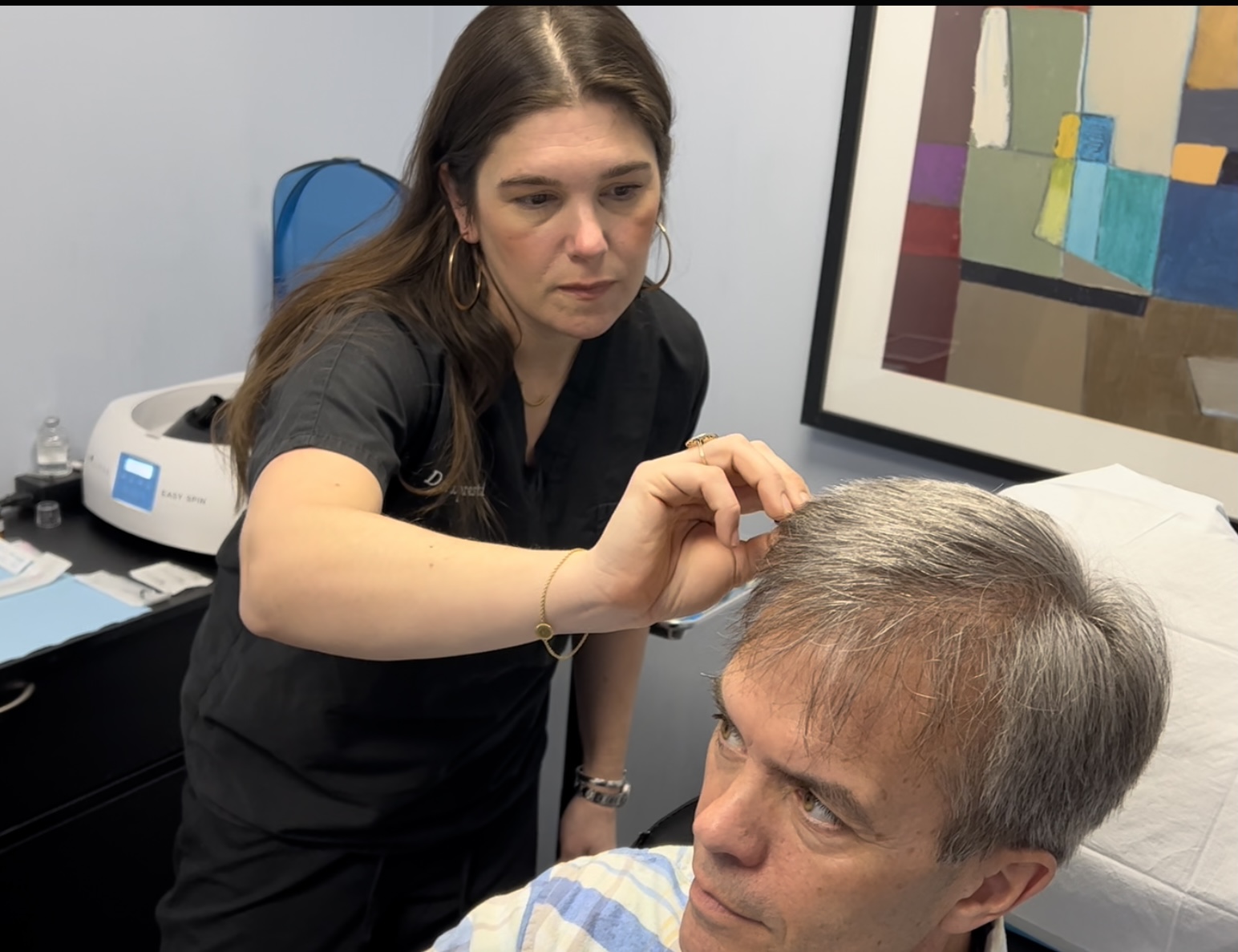
At Leonard Hair Transplant Associates, PRP with ACell may be recommended as a non-surgical treatment for appropriate patients experiencing thinning hair. Depending on the cause and pattern of hair loss, other treatment options may include Rogaine, Propecia, or hair transplant surgery. A consultation helps determine which approach is appropriate for each patient.
Unlike other non-surgical options, PRP with ACell is administered in a medical setting by a qualified professional . This ensures that the treatment is performed accurately and tailored to the patient’s specific needs. Home-based treatments require the patient to self-administer, which can be time-consuming, error-prone, and may yield inconsistent results if not used on a consistent basis.
PRP with ACell offers a targeted approach to hair loss treatment. By injecting the concentrated platelet-rich plasma directly into the affected areas of the scalp, PRP with ACell ensures that the growth factors reach the hair follicles precisely where they are needed most.
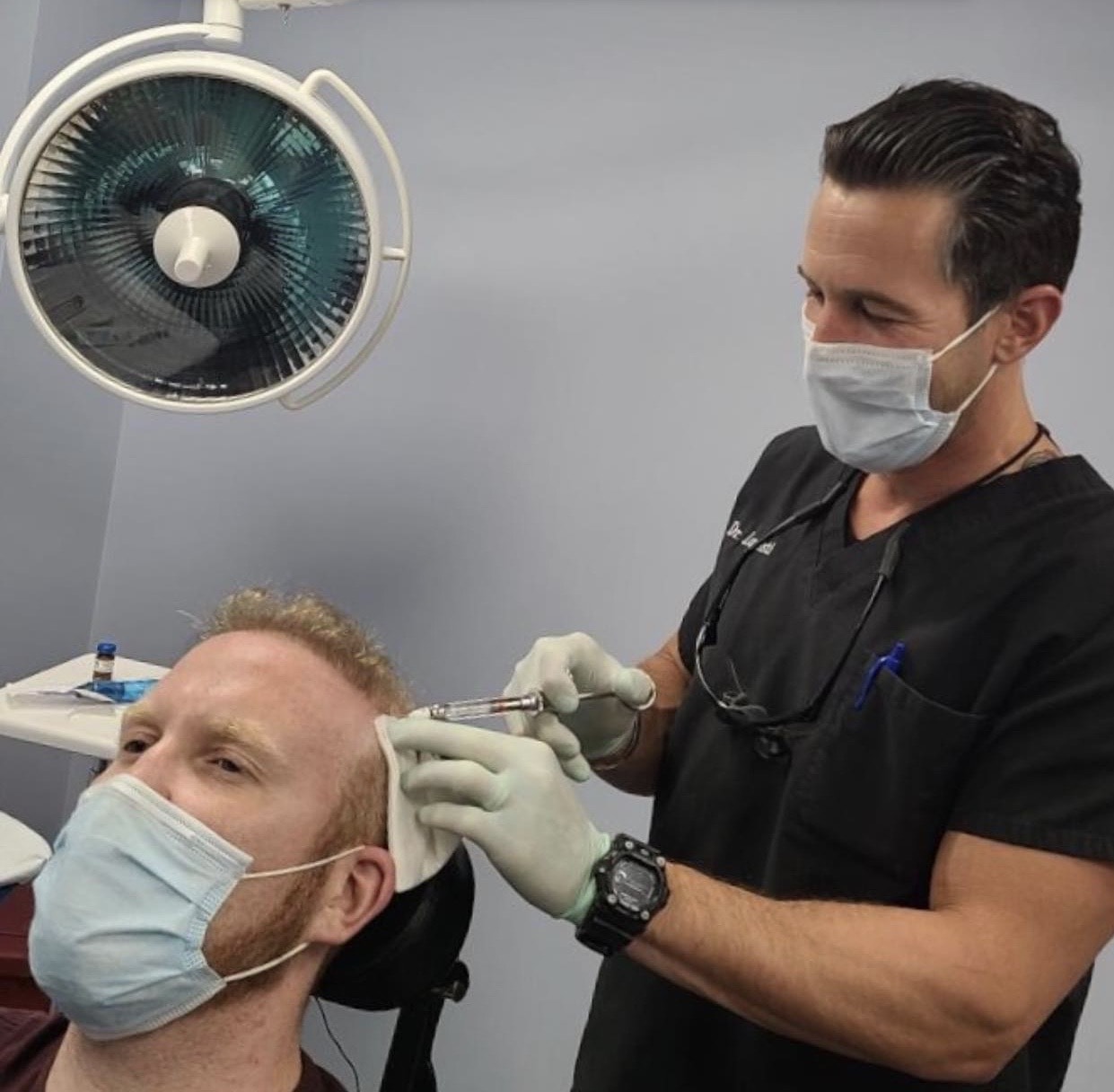
PRP is prepared from the patient’s own blood and concentrated before being injected into targeted areas of the scalp. Because PRP is autologous, meaning it comes from the patient’s own body, the risk of an allergic reaction to the PRP itself is reduced. As with any medical procedure, potential risks, side effects and expected results should be discussed during a consultation.
Moreover, ACell, a regenerative medicine product, works synergistically with PRP to amplify its effects, promoting tissue healing and regeneration.
PRP with ACell is one non-surgical option for treating certain types of thinning hair. Results vary, and not every person experiencing hair loss is an appropriate candidate. An evaluation can help identify the cause and pattern of hair loss and determine whether PRP with ACell, medication, hair transplant surgery, or another approach should be considered.