


How Should You Sleep After an FUE Hair Transplant?
The first night after an FUE hair transplant can feel a little strange. You have just spent the day having thousands of individual follicular units carefully removed and transplanted, you finally get home and now something as ordinary as going to bed suddenly feels like something you could do wrong. Patients often wonder whether they can put their head on a pillow, whether they might damage the newly transplanted grafts while they are asleep and how long they need to change the way they normally sleep.
Those are reasonable concerns, especially when you have just invested considerable time and thought into your hair transplant. The good news is that you do not need to stay awake worrying about every movement you make. You simply need to be a little more deliberate about how you sleep during the first few nights while the recipient area begins its early healing process.
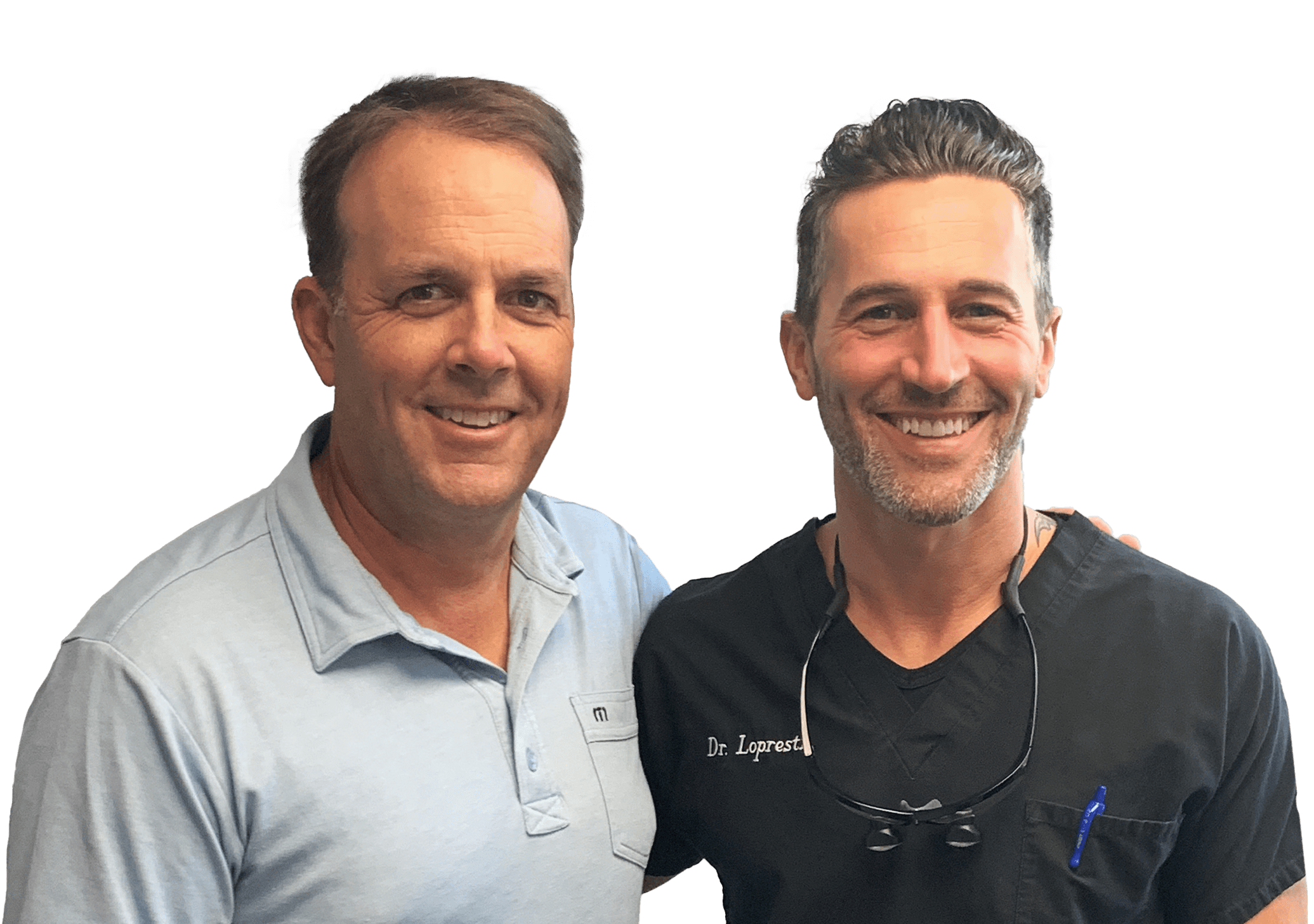
At Leonard Hair Transplant Associates, Dr. Matthew Lopresti provides each patient with specific postoperative instructions based on where the hair was transplanted and the procedure that was performed. For our FUE patients, the basic sleeping instructions are straightforward: sleep on your back with your head elevated on two pillows for the first three nights, unless your transplant was performed in the crown, in which case you should sleep on your side. Do not sleep on your stomach during this early period.
Why Does Sleeping Position Matter After an FUE Hair Transplant?
Immediately after an FUE procedure, the newly transplanted grafts need to be treated carefully. Each follicular unit has been placed into the recipient area in a location selected by Dr. Lopresti, and the first several days are a time when you want to avoid unnecessary rubbing, scratching or direct pressure on that area.
 That does not mean the grafts are going to fall out because you moved slightly during the night. It means you should follow the postoperative instructions designed to protect them while your scalp begins healing.
Sleeping with your head elevated also helps address something else patients frequently ask about after hair transplant surgery: swelling. Some forehead swelling can occur following a transplant to the frontal area and, when it happens, it most commonly appears around the third or fourth postoperative day. Keeping your head elevated during the first three nights is part of the postoperative routine designed to help you through this early healing period.
If you normally sleep flat on your stomach or bury your face into your pillow, three nights may sound inconvenient. In the context of the entire hair transplant process, however, it is a very short adjustment.
How Should I Sleep the First Night After FUE?
For most FUE patients whose transplant was performed in the frontal or top areas of the scalp, you should sleep on your back with your head elevated on two pillows. You will continue sleeping this way for the first three nights after surgery. If your transplant was performed in the crown, your instructions are different because you do not want to place the transplanted crown directly against your pillow. In that situation, you should sleep on your side.
Your FUE donor area will also be bandaged when you leave after surgery. That bandage remains in place for the first night, and it is common for some bleeding to occur from the donor area. Because the bandage can become saturated, we recommend putting a clean towel or T-shirt over your pillow before going to sleep. That protects your bedding and can save you from waking up concerned about seeing some blood on your pillowcase when minor donor-area bleeding during that first night can be expected.
If you have a postoperative appointment scheduled for the following day, our team can remove the bandage for you. If you are not returning to the office the next day, your instructions allow you to remove the bandage yourself and wash the donor area only.
What If I Normally Sleep on My Stomach?
For the first three nights after your FUE procedure, you should not sleep on your stomach.
For someone who has slept on their stomach for years, that may be the part of recovery that requires the most adjustment. Preparing your sleeping area before surgery can make it considerably easier. Arrange your two pillows so your head and upper body are comfortably elevated rather than trying to build the setup when you are tired after getting home. You may also find it helpful to position additional pillows around yourself for comfort if that makes it easier to remain in the recommended position.
You do not need to turn your bedroom into a recovery room or purchase a collection of special postoperative products. What matters is following the position Dr. Lopresti and the surgical team have given you and avoiding unnecessary contact with the newly transplanted area.
What If My Hair Was Transplanted Into the Crown?
 This is where generic advice about sleeping after a hair transplant can get people into trouble. Not every patient has grafts placed in the same location, so telling every FUE patient simply to “sleep on your back” is not accurate.
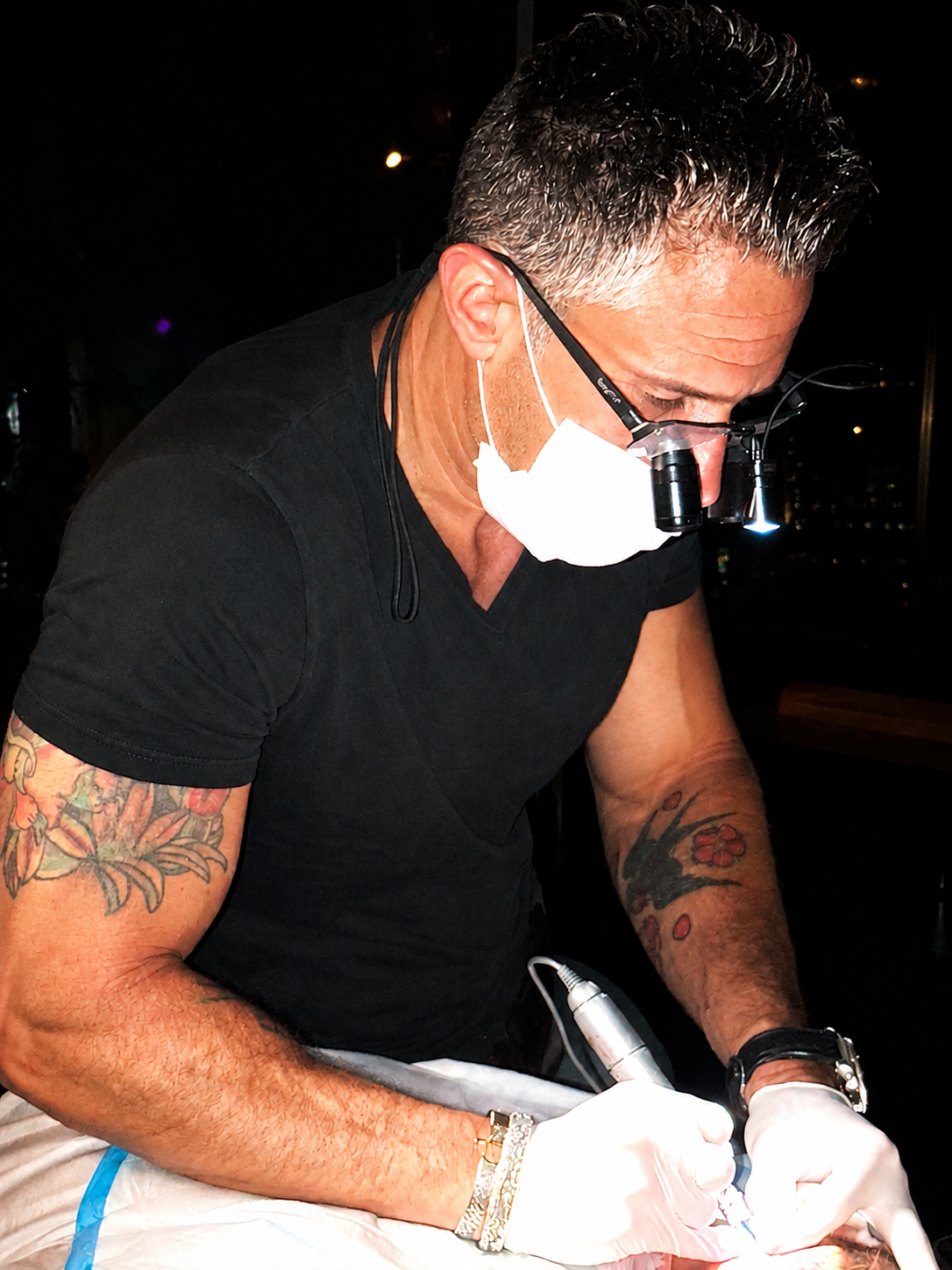
If Dr. Lopresti transplanted hair into your crown, sleeping directly on your back could place the recipient area against the pillow. For that reason, our current FUE postoperative instructions tell crown patients to sleep on their side rather than their back during the first three nights.
This is also why you should follow the postoperative instructions you receive from our surgical team rather than relying on a video, forum or another patient’s experience. Two people can both have FUE hair transplant surgery and receive different sleeping instructions simply because their grafts were placed in different areas.
What About Swelling After an FUE Hair Transplant?
Some swelling in the forehead can occur after hair transplant surgery, particularly when grafts have been placed in the frontal area. If swelling occurs, our FUE postoperative instructions note that it usually appears around the third or fourth postoperative day and does not present a medical problem.
Patients with frontal transplants are instructed to use an ice pack, frozen peas or another soft ice pack on the forehead beneath the transplanted area during the two days following surgery. The important word there is beneath. You should never place the ice pack directly on the newly transplanted grafts because doing so can damage them. The current instructions call for approximately 15 minutes of icing followed by 30 minutes off whenever possible during those first two days. Ice is typically not needed when surgery was performed in the crown.
This is another reason the sleeping instructions, elevation and location of your transplant all fit together. Recovery is not a collection of random rules. Each instruction is designed around protecting the recipient area and helping your scalp through the earliest stage of healing.
What If I Accidentally Move While I’m Sleeping?
This is one of those worries that can make the first night seem much more intimidating than it needs to be. You cannot consciously control every movement your body makes once you fall asleep, and nobody expects you to.
Your job is to give yourself the best starting position possible. Set up your pillows, follow the recommended sleeping position and avoid deliberately putting pressure on the transplanted area. The bigger concern during this early period is avoiding direct trauma, rubbing, scratching or picking at the recipient area. Your postoperative instructions specifically warn against picking or scratching the normal light crusting that can develop because doing so can endanger the grafts.
If you wake up and realize that you shifted somewhat during the night, that alone is not a reason to assume you have ruined your transplant. If you believe you actually struck, rubbed or injured the grafted area, or you notice bleeding that concerns you, contact our office so the surgical team can advise you based on what actually happened.
When Can I Wash My Hair After FUE?
Sleeping is only one part of protecting the grafts during the first few days, and washing is another area where patients understandably become nervous.
Beginning on the second day after surgery, our FUE patients are instructed to begin shampooing and conditioning their hair morning and night as directed by our team. Rather than aggressively rubbing the recipient area, you lather the shampoo or conditioner, place the lather onto the grafted area, allow it to remain for a few minutes and rinse according to the instructions you were given.
Water pressure also matters during these first few days. You should not use full shower pressure directly on the grafted area during the first three days. Our current instructions call for reducing the water pressure by approximately half, with normal water pressure resuming on postoperative day four. During the first week, the areas should either air dry or be patted dry with a straight downward motion rather than rubbed with a towel.
If you use a hair dryer during the first two weeks, the FUE instructions specify using the cool setting because heat may increase bleeding or swelling and can damage the grafts.
When Can I Sleep Normally Again After FUE?
For our FUE patients, the special sleeping position applies for the first three nights after surgery. The broader postoperative recovery continues beyond those three nights, however, so returning to your usual sleeping position does not mean that every other precaution ends at the same time.
Your scalp is still healing. Shampooing technique, water pressure, exercise, hair products and how you physically handle the recipient area each have their own timelines. By postoperative day four, our instructions allow normal shower water pressure and gentle small circular motions with the pads of your fingers throughout the grafted area. Normal hand and finger pressure returns beginning on the seventh day, and normal showering habits are resumed on the tenth day.
This is why we give our patients a day by day postoperative schedule instead of expecting them to remember everything they heard on surgery day.
Three Nights of Extra Care for Hair You’ll Have for Years
There is a natural tendency after a hair transplant to become hyperaware of everything near your head. Your pillow suddenly seems dangerous. Taking a shower feels complicated. You may even find yourself wondering whether you moved too much while you were asleep.
Most of the early recovery is much simpler when you focus on the instructions for the day you are actually in rather than worrying about everything at once.
For the first three nights after an FUE hair transplant with Dr. Matthew Lopresti, sleep on your back with your head elevated on two pillows unless your transplant was performed in the crown, in which case you should sleep on your side. Do not sleep on your stomach during this period. Protect your pillow the first night because some donor-area bleeding can occur, and be careful not to rub, scratch or place unnecessary pressure on the newly transplanted area.
At Leonard Hair Transplant Associates, our FUE patients receive detailed postoperative instructions from Dr. Lopresti and the surgical team so you know what to do once you leave our office. If you are considering FUE hair transplant surgery in Boston, Newton or elsewhere in New England, a complimentary consultation is an opportunity to discuss not only what your hair transplant could accomplish, but what the procedure, recovery and first few nights afterward will actually be like.
A hair transplant may take many months to grow, but protecting it begins with something much simpler: knowing how to put your head on the pillow that first night.