



Can Hair Transplant Surgery Prevent Hair Loss?

One of the most common questions patients ask about hair transplant surgery is whether the procedure will prevent them from losing more hair in the future. The answer is no. A hair transplant can restore hair in areas where thinning or hair loss has already occurred, but it does not stop progressive hair loss from affecting the non-transplanted hair around it.
That distinction matters because a successful hair transplant is not only about replacing hair today. Dr. Matthew Lopresti also considers what may happen to the patient’s existing hair over time, how much permanent donor hair is available and whether the surgical plan will continue to look natural if additional hair loss occurs in the future.
What Happens to Transplanted Hair?
Hair transplant surgery works by relocating suitable follicles from the permanent donor area, typically located along the back and sides of the scalp, to areas where additional hair is needed. Because these follicles retain the 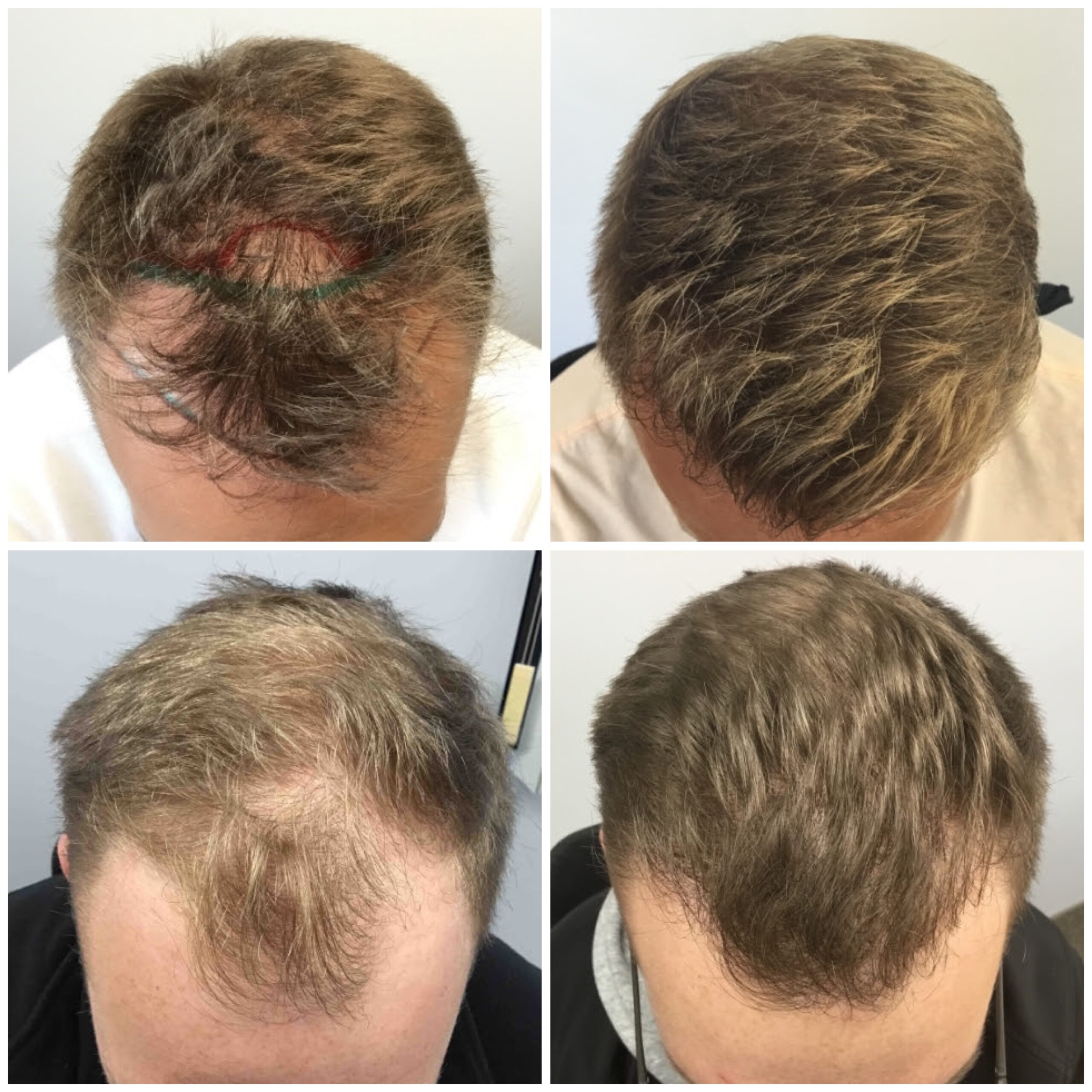 characteristics of the donor area after they are transplanted, they are generally resistant to the pattern hair loss that affected the original hair in the recipient area.
Dr. Lopresti performs both Follicular Unit Excision (FUE) and Follicular Unit Transplantation (FUT). The methods used to obtain the donor hair are different, but the same principle applies to both procedures. Your own donor hair is strategically relocated to create additional coverage in areas affected by hair loss.
What the surgery cannot do is change the genetic characteristics of the hair that remains on the scalp. If those non-transplanted follicles are susceptible to progressive hair loss, they can continue to thin even after a successful hair transplant.
Can You Continue Losing Hair After a Hair Transplant?
Yes, and this is one of the reasons long term planning matters so much in hair restoration surgery. Imagine restoring the frontal hairline without considering what could happen to the hair immediately behind it. If that existing hair continues to thin over the years, the transplanted hair may remain while the surrounding non-transplanted hair changes.
That does not mean everyone who has a hair transplant will experience significant additional hair loss. Hair loss progresses differently from one person to another. It does mean that Dr. Lopresti needs to consider more than the area that bothers you today when developing a surgical plan.
Your age, current pattern of hair loss, family history, donor hair and the amount of existing hair all help provide context. Looking at older photographs can also be useful because they show how your hair has changed over time rather than providing only a snapshot of what it looks like today.
Can Non-Surgical Treatment Help Protect Existing Hair?
For some patients, non-surgical hair loss treatment may be discussed as part of a longer term hair restoration plan. Options can include medications such as finasteride or minoxidil, as well as other treatments depending on the individual patient and the cause and pattern of hair loss.
These treatments serve a different purpose from hair transplant surgery. A transplant moves permanent donor hair into areas where additional coverage is needed, while non-surgical treatment may be used in appropriate patients to help manage existing non-transplanted hair.
This is also why there is no single treatment plan that makes sense for everyone. Some patients may benefit from surgery, some from non-surgical treatment and others from a combination approach based on their individual situation.
Will I Ever Need Another Hair Transplant?
Possibly. Having another procedure does not necessarily mean that the first hair transplant failed. In some cases, the transplanted hair may continue growing while the patient’s original non-transplanted hair continues to thin around it. Other patients may eventually want additional coverage or density as their hair changes with age.
Permanent donor hair is a limited resource, which is why Dr. Lopresti considers future possibilities when planning an FUE or FUT hair transplant. The objective is not simply to use donor hair to address the greatest concern today. It is to use that hair thoughtfully so the result can continue to make sense if the patient’s natural hair loss progresses.
Planning a Hair Transplant for the Long Term
Hair transplant surgery can restore hair, but it cannot promise that you will never lose another non-transplanted hair. Understanding that before surgery allows the procedure to be planned with the future in mind rather than treating hair loss as though it stops on the day of the transplant.
At Leonard Hair Transplant Associates, Dr. Matthew Lopresti evaluates patients from Boston and throughout New England for FUE and FUT hair transplant surgery. During a hair transplant consultation, he can assess your pattern of hair loss, permanent donor hair and existing hair to determine whether surgery makes sense now and how it can fit into a longer term approach to your hair restoration.