


Are You Awake During a Hair Transplant? Anesthesia and Sedation Explained
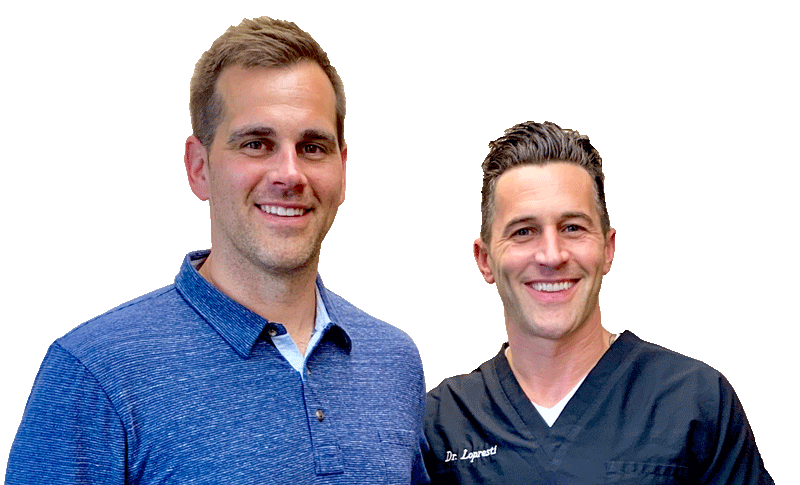
Yes, you are awake during a hair transplant. At Leonard Hair Transplant Associates, hair transplant surgery is performed using local anesthetic rather than general anesthesia, so patients remain awake throughout the procedure. Most spend the day sitting comfortably in a surgical chair watching television or movies while Dr. Matthew Lopresti and the surgical team perform the transplant.
It is a common question because many people hear the word “surgery” and immediately picture an operating room and general anesthesia. A hair transplant is different. The procedure involves removing permanent donor hair and transplanting those follicles into areas where additional hair is needed, and the scalp can be locally anesthetized while the patient remains awake.
Do You Need General Anesthesia for a Hair Transplant?
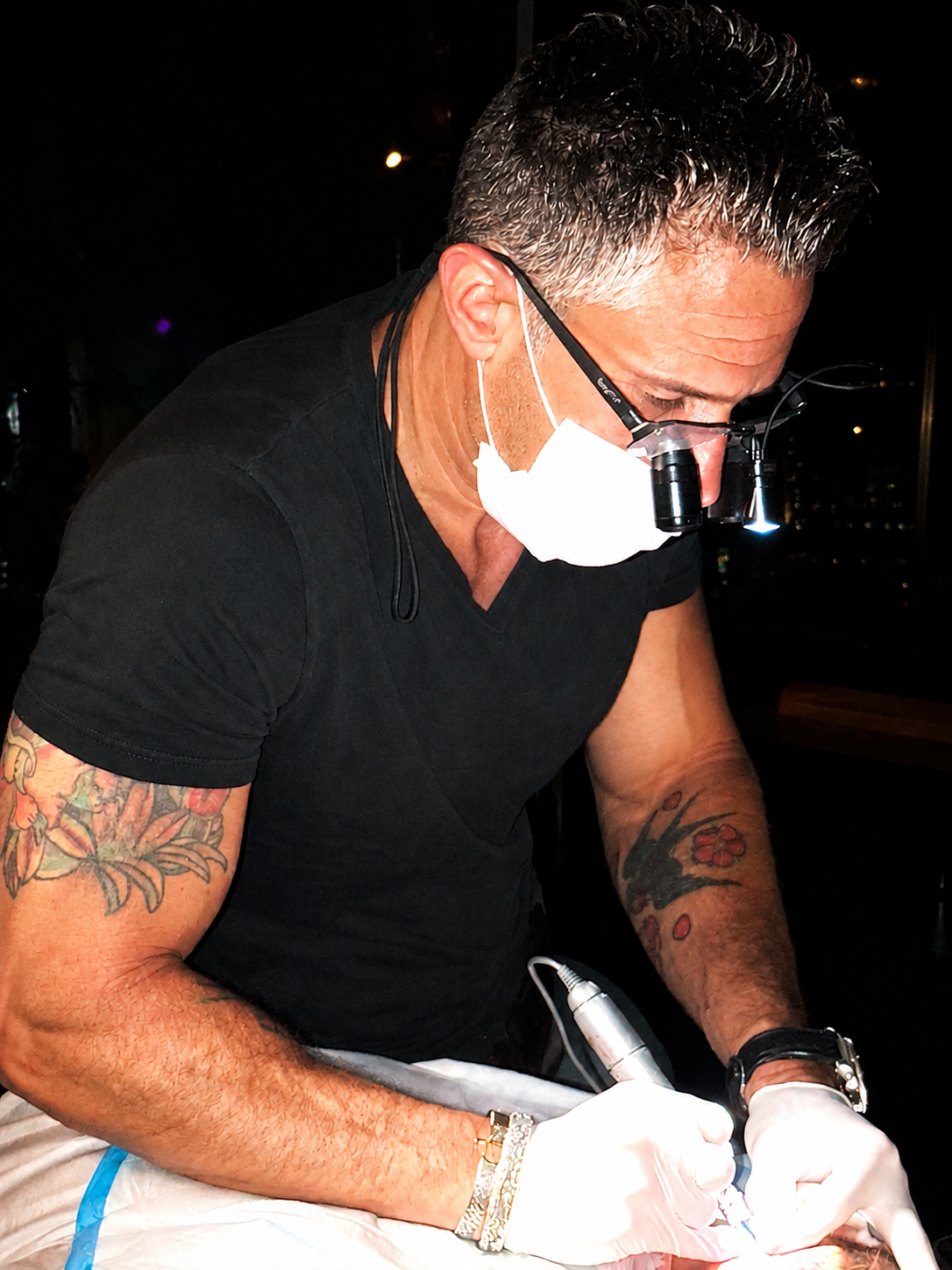 No, general anesthesia is not needed for the hair transplant procedures performed at Leonard Hair Transplant Associates. Dr. Lopresti uses local anesthetic to numb the areas of the scalp involved in the surgery while the patient remains awake and responsive throughout the procedure.
That distinction surprises some patients during their initial consultation. Hair transplant surgery can take a number of hours because of the detailed work involved, but that does not mean the patient needs to be unconscious. Instead, the day is designed around keeping the patient comfortable while allowing Dr. Lopresti and the surgical team to perform the procedure carefully and methodically.
What Type of Anesthesia Is Used for a Hair Transplant?
Local anesthetic is used to numb the scalp during hair transplant surgery. This allows Dr. Lopresti to work in both the donor and recipient areas without putting the patient under general anesthesia.
Patients will feel the initial injections used to administer the local anesthetic. Once the area is numb, the goal is to keep the patient comfortable throughout the procedure. Sensations and individual experiences can vary, so it is more accurate to describe the procedure as being performed under local anesthesia than to promise that every patient will feel absolutely nothing from beginning to end.
Are You Awake During FUE and FUT Hair Transplants?
Yes, patients remain awake during both Follicular Unit Excision (FUE) and Follicular Unit Transplantation (FUT) procedures. The primary difference between FUE and FUT is how the donor hair is surgically harvested, not whether the patient is awake or asleep.
With FUE, follicular units are removed individually from the donor area. With FUT, Dr. Lopresti surgically removes a narrow strip of donor tissue containing the follicles, and the donor area is then closed with sutures. In either case, the donor and recipient areas are locally anesthetized and the patient remains awake during the surgery.
What Do You Do While a Hair Transplant Is Being Performed?
Most patients spend much of their hair transplant day relaxing in a comfortable surgical chair and watching television or movies. You are not expected to lie unconscious in an operating room, and the surgical team can communicate with you throughout the procedure.
Hair transplantation is detailed work, so the procedure takes time. The environment is designed with that in mind. Patients can talk with the team and take appropriate breaks during the day, while Dr. Lopresti and his surgical staff continue through the different stages of the procedure.
Can You Take Something to Help You Relax During a Hair Transplant?
For patients who are anxious about surgery, an optional medication may be available to help them relax. Dr. Lopresti and the surgical team can discuss whether this is appropriate for you before the procedure rather than assuming every patient needs sedation.
Leonard Hair Transplant Associates may offer intramuscular Versed for appropriate patients. Because this medication can cause sedation, anyone receiving it must arrange for someone else to drive them home after surgery. Patients should discuss medications, medical conditions and any concerns about anxiety or sedation with the clinical team before their procedure.
Does the Local Anesthetic Wear Off During Hair Transplant Surgery?
The surgical team monitors patient comfort throughout the procedure and can address the anesthetic needs of the scalp as the surgery progresses. Hair transplant procedures can last for hours, so local anesthesia is managed as part of the surgical day rather than being treated as a single injection at the beginning.
This is also why patients should speak up if they become uncomfortable. Staying awake allows you to communicate with the surgical team throughout the procedure, and there is no prize for sitting quietly if something does not feel right.
Is Hair Transplant Surgery Painful?
Hair transplant surgery is performed with local anesthetic to minimize discomfort, but it would be misleading to promise that every patient will experience absolutely no pain or discomfort. The initial anesthetic injections can be felt, and individual experiences during and after surgery vary.
Dr. Lopresti discusses what to expect before the procedure and provides postoperative instructions for the recovery period afterward. Understanding what the day actually involves tends to remove much of the mystery surrounding hair transplant surgery, particularly for patients who have never undergone a procedure using local anesthesia.
What Happens on the Morning of Hair Transplant Surgery?
Before the transplant begins, Dr. Lopresti meets with the patient and reviews the surgical plan. The recipient area is designed using a washable marker while the patient is sitting upright, giving the patient an opportunity to see the proposed design and approve it before surgery moves forward.
From there, preparation depends in part on whether the patient is having FUE or FUT. The necessary areas are prepared, local anesthetic is administered and the donor hair is harvested using the planned surgical technique. The follicles are then prepared and transplanted into the recipient area according to the design established before surgery.
What Should I Ask About Anesthesia Before My Hair Transplant?
Ask what type of anesthesia will be used, what you are likely to feel, whether medication to help you relax is appropriate and whether you will need someone to drive you home. Those are practical questions, and you should know the answers before the morning of your procedure.
During a hair transplant consultation, Dr. Lopresti can also explain whether FUE or FUT may be appropriate, evaluate your donor hair and discuss what the surgical day and recovery are likely to involve. At Leonard Hair Transplant Associates, Dr. Lopresti performs hair transplant surgery for patients from Boston and throughout New England.
The word “surgery” can make the procedure sound more intimidating than the day itself. You are awake, the scalp is locally anesthetized, and instead of being put under general anesthesia, you may spend a good portion of your hair transplant watching a movie while the work is being done.