


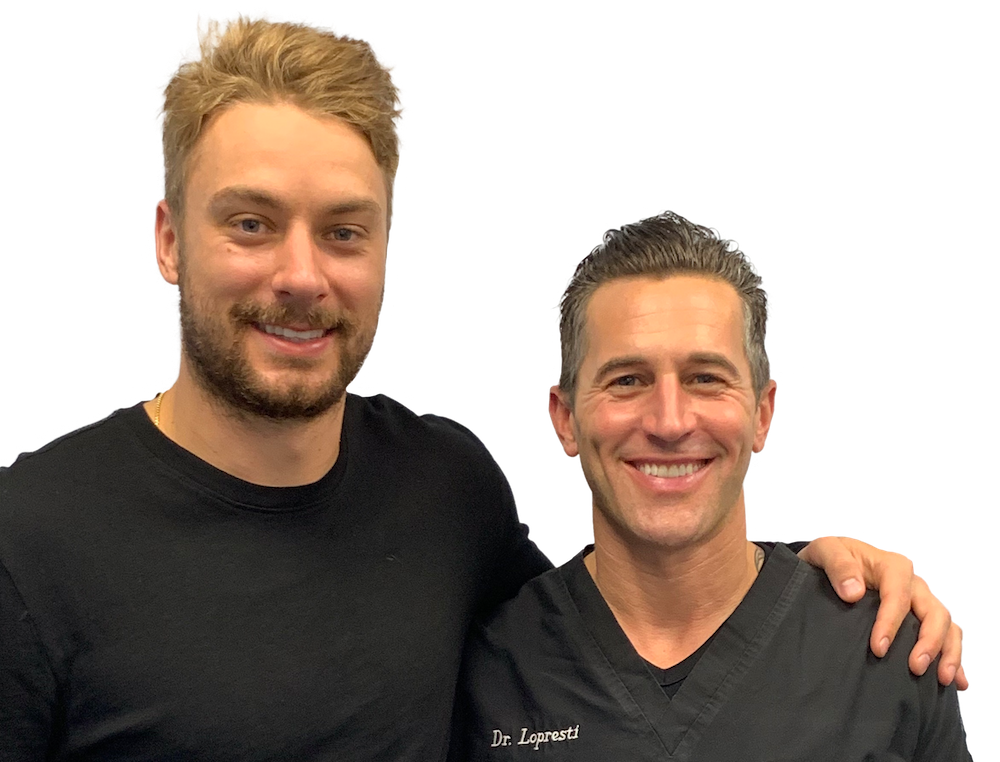
Returning to Work After a Hair Transplant

Most patients can return to desk work within a few days after a hair transplant, but when you actually want to return is a different question. You may feel perfectly capable of answering emails or sitting through a meeting before you feel comfortable having coworkers see the temporary signs of surgery. If your job involves heavy lifting, strenuous activity or a required helmet, you may need more time or temporary work restrictions.
It is one of the most common questions patients ask Dr. Matthew Lopresti before surgery, and for good reason. Nobody wants to schedule a hair transplant on Monday and discover on Tuesday that they underestimated what returning to work would look like. The answer depends on the type of work you do, how private you want to be about having surgery, how quickly you heal and whether you are having Follicular Unit Excision (FUE) or Follicular Unit Transplantation (FUT).
How Soon Can I Go Back to Work After a Hair Transplant?
If you have a desk job or can work from home, you may feel ready to work within a few days, but there is no single return to work date that applies to every hair transplant patient. In many cases, the real question is not whether you are physically capable of working. It is whether you are comfortable with other people seeing you while the donor and recipient areas are still healing.
Someone working remotely has a very different decision to make than someone who spends the day meeting clients face to face. The same is true for a patient whose coworkers know about the procedure compared with someone who would prefer to keep it private. Dr. Lopresti discusses those details before surgery so you can choose a surgery date and amount of time off that make sense for your job rather than trying to solve the problem afterward.
Will People Be Able to Tell I Had a Hair Transplant?
For a period of time after surgery, there can be visible signs in the recipient area and, depending on the technique, the donor area as well. How noticeable they are varies by patient, procedure and individual healing, which is why someone who wants complete privacy may choose to take more time away from the workplace even if they feel physically ready to return sooner.
This is an important distinction because there is a difference between recovery and discretion. If you are comfortable telling people you had a hair transplant, returning to work may be a relatively simple decision. If you want to walk back into the office without inviting questions, giving yourself additional healing time or working remotely can make the transition easier.
Does FUE or FUT Affect When I Can Return to Work?
Yes. FUE and FUT involve different approaches to the donor area, so the type of hair transplant you have can affect what is visible when you return to work. With Follicular Unit Excision (FUE), individual follicular units are removed from the donor area, where the hair is typically trimmed very short for the procedure. Until that hair begins growing back, the donor area may be more noticeable than you are accustomed to seeing it.
 With Follicular Unit Transplantation (FUT), a narrow strip of donor tissue is surgically removed and the area is closed with sutures, which are typically removed approximately 10 to 14 days later. The surrounding hair can often help conceal the donor area. With either FUE or FUT, however, follicles are transplanted into the recipient area, so temporary signs of surgery there are part of the early healing process.
Neither technique automatically determines how many days you should take off. Dr. Lopresti considers the procedure, your hairstyle, your work environment and how concerned you are about anyone noticing when helping you decide what is realistic.
Can I Work From Home After a Hair Transplant?
For patients with computer based jobs, working from home can make returning to work easier because it removes many of the appearance concerns associated with going back to an office. You may be able to resume routine computer and telephone work relatively quickly while still giving the donor and recipient areas time to heal away from coworkers, clients and the daily commute.
Working from home does not mean postoperative instructions no longer matter. You still need to protect the transplanted follicles and follow the instructions provided by Dr. Lopresti and the surgical team. It simply gives many patients more flexibility during the period when they feel well enough to work but are not yet ready to make their first appearance back at the office.
Can I Wear a Hat When I Return to Work?
A loose fitting cap can be worn immediately after surgery when appropriate, but other hats and helmets should generally wait until two weeks after the procedure. This can make returning to certain jobs easier, but a hat should never be used in a way that puts unnecessary pressure or friction on the newly transplanted area.
If wearing something on your head is part of your job rather than a choice, tell Dr. Lopresti during your consultation. A baseball cap in an office and a tightly fitted piece of required safety equipment are two very different situations, and your return to work plan should account for that before your surgery is scheduled.
When Can I Return to a Physical Job After a Hair Transplant?
If your job requires heavy lifting or strenuous physical activity, plan on more recovery time than someone returning to a desk job. Patients can generally resume mild exercise after approximately four days, while heavy lifting and more strenuous activity are typically restricted for about two weeks.
That distinction matters for construction workers, landscapers, warehouse employees, contractors and anyone else whose workday is essentially a workout. Feeling good does not mean it is time to ignore the restrictions designed to protect the early healing process. If your occupation is physically demanding, Dr. Lopresti can discuss whether you should remain out of work longer or temporarily return with modified responsibilities. You can also read our guide to working out and physical activity after a hair transplant for more information about exercise after surgery.
When Can I Shampoo My Hair After a Hair Transplant?
Patients can begin shampooing 48 hours after hair transplant surgery, following the postoperative instructions provided by the practice. Water pressure should be kept lower during the first three days, and the transplanted area needs to be treated carefully while the follicles begin the early healing process.
This is another reason not to judge your return to work entirely by how you feel. The first several days are about protecting the work that was just performed. Your scalp may look different from normal while it heals even though you otherwise feel fine, and giving yourself some flexibility can make those first days much easier.
How Many Days Should I Take Off After a Hair Transplant?
For a desk job, think in terms of several days rather than several weeks, but choose your actual return date based on your procedure, workplace and desired level of privacy. If nobody at work knowing about your hair transplant is important to you, taking additional time off or combining surgery with remote work may be worth it. If you work from home and appearance is not an issue, you may decide you need considerably less time away.
For a physically demanding occupation, the calculation is different because postoperative activity restrictions become part of the decision. This is why there is no honest answer that says every hair transplant patient should return to work on exactly the same day.
Plan Your Return to Work Before Your Hair Transplant
The best time to decide when you will return to work is before you schedule your hair transplant, not the morning you are supposed to go back. Dr. Lopresti can explain what the donor and recipient areas are likely to look like, how FUE and FUT differ, what physical restrictions apply to your occupation and how much time you may want to give yourself if keeping the procedure private is important.
At Leonard Hair Transplant Associates, Dr. Matthew Lopresti performs FUE and FUT hair transplant surgery for patients from Boston and throughout New England. A hair transplant consultation gives you an opportunity to discuss the surgery and the practical details that come with it, including one of the questions patients care about most: when can I comfortably go back to work?