


Traveling Overseas for a Hair Transplant: What to Know Before You Go
Traveling to another country for a hair transplant has become increasingly common, especially as patients see advertisements and social media posts promoting lower prices and large numbers of grafts. Turkey in particular has become a popular destination for hair transplant surgery.
There are experienced hair transplant surgeons both in the United States and around the world. The issue is not simply whether a procedure is performed overseas. What matters is who is performing the surgery, the standards of the practice, how the donor area is managed and what happens if you need medical care or follow-up after returning home.
Before choosing a hair transplant based primarily on price or location, there are several things you should understand.
Know Who Will Actually Perform Your Hair Transplant
 One of the most important questions to ask any hair transplant practice is who will perform each part of your procedure.
Hair transplantation is not simply a matter of moving as many grafts as possible from one part of the scalp to another. It requires medical evaluation, surgical planning and careful consideration of how hair loss may progress over time.
Before scheduling surgery, find out who will evaluate your hair loss, design the surgical plan, harvest the donor hair and create the recipient sites where the transplanted grafts will be placed.
You should also research the surgeon’s education, training, licensing and experience specifically with hair restoration surgery. This applies whether you are considering surgery in Boston, elsewhere in the United States or another country.
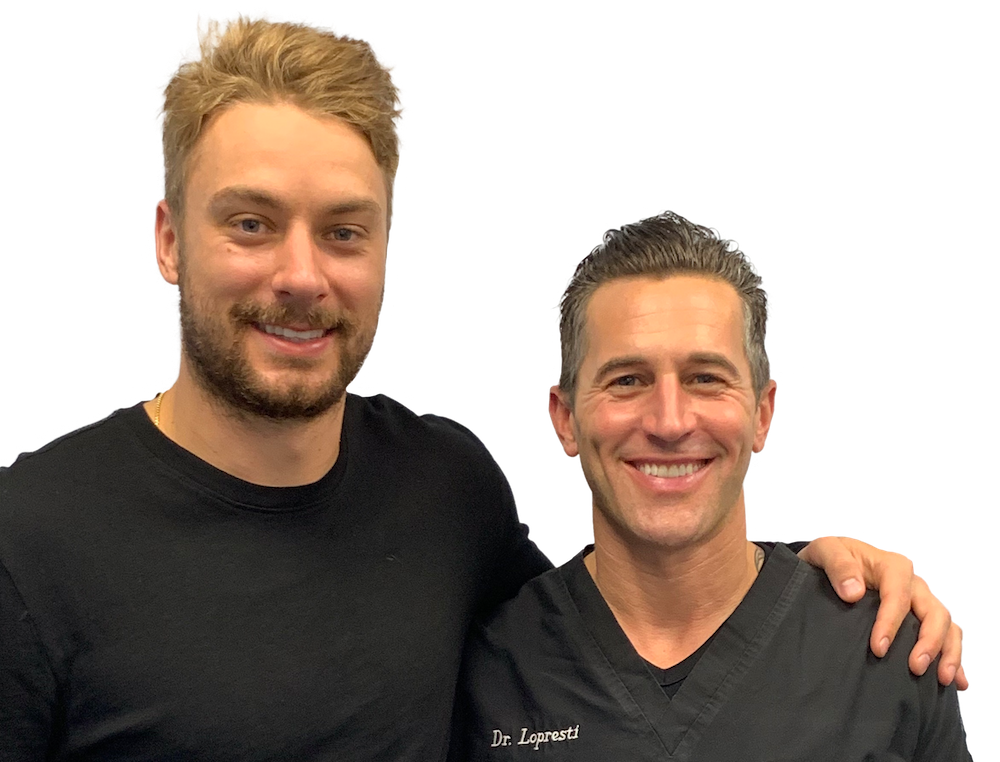
At Leonard Hair Transplant Associates, hair transplant procedures are performed under the direction of Dr. Matthew Lopresti, Chief Hair Restoration Surgeon.
Your Donor Hair Is Limited
One of the biggest considerations in any hair transplant is the donor area, usually located along the back and sides of the scalp.
Unlike the hair on top of the scalp, donor hair is a limited resource. Once follicular units are removed, they cannot simply be replaced in the donor area. This makes long-term planning particularly important, especially for younger patients whose hair loss may continue for many years.
A hair transplant should therefore be planned around more than how many grafts can be transplanted today. The surgeon should consider your current hair loss, donor density, age, family history and the possibility of future hair loss.
Removing too much donor hair can leave the donor area looking thin or depleted and may reduce the amount of hair available if another procedure is needed later.
Understand Which Hair Transplant Technique Is Being Recommended
The two primary surgical approaches used in modern hair transplantation are Follicular Unit Excision (FUE) and Follicular Unit Transplantation (FUT).
Neither technique is automatically right for every patient.
FUE involves individually harvesting follicular units from the donor area. FUT involves surgically removing a narrow strip of donor tissue from which follicular units are prepared for transplantation.
An experienced hair transplant surgeon should be able to explain why a particular approach is being recommended based on your hair loss, donor area, goals and long-term treatment plan.
Be cautious about choosing a procedure simply because a clinic advertises one technique as the newest, easiest or best option for everyone.
Look Beyond the Number of Grafts
Large graft numbers can sound impressive in an advertisement, but more grafts do not automatically mean a better hair transplant.
The appropriate number of grafts depends on the patient’s degree of hair loss, donor supply, hair characteristics and the area being restored. Preserving donor hair for the future can be just as important as deciding how much hair to transplant during the first procedure.
A consultation should focus on what is appropriate for you rather than simply selling the largest procedure possible.
Review Real Hair Transplant Results
 Before choosing a surgeon, spend time reviewing the practice’s hair transplant before-and-after photos.
Look at patients with hair loss patterns and characteristics similar to yours. Pay attention not only to the transplanted area but also to whether the results appear natural and appropriate for the patient’s age and degree of hair loss.
You can also review patient reviews to better understand other patients’ experiences with the surgeon and practice.
Think About What Happens After You Come Home
Hair transplant surgery does not end when you leave the operating room.
Patients need postoperative instructions and access to the practice if questions or concerns develop during recovery. Follow-up also allows the surgical team to monitor healing and eventually evaluate growth and results.
When surgery is performed thousands of miles from home, ask what happens once you return to the United States. Who will answer your questions? How will follow-up appointments be handled? What happens if you develop a medical concern or complication that needs to be evaluated in person?
These questions should be answered before you travel for surgery, not afterward.
Compare the Total Cost, Not Just the Advertised Price
Cost is understandably an important consideration when choosing a hair transplant.
Overseas procedures may sometimes be advertised at substantially lower prices than surgery in the United States. When comparing costs, however, consider the entire experience, including airfare, hotels, transportation, time away from work and the possibility of additional travel if follow-up care is needed.
More importantly, price should be considered alongside the surgeon’s experience, the quality of the surgical plan and the availability of care before and after the procedure.
Patients considering surgery with Leonard Hair Transplant Associates can also review our hair transplant financing options.
Questions to Ask Before Traveling for a Hair Transplant
Before committing to a hair transplant anywhere, make sure you can clearly answer these questions:
- Who is the surgeon, and what experience does the surgeon have specifically performing hair transplants?
- Who will perform each part of my procedure?
- Why is FUE or FUT being recommended for me?
- How was the recommended number of grafts determined?
- How will my donor area be protected for possible future hair loss?
- Can I see before-and-after photographs of patients with hair loss similar to mine?
- What follow-up care is included?
- Who do I contact if I have a problem after surgery?
- What happens if I need to be examined after I return home?
- What is the complete cost of the procedure and related travel?
Start With a Hair Transplant Consultation
There is nothing inherently wrong with traveling for medical care, and there are qualified hair transplant surgeons throughout the world. The important thing is to understand exactly who will be treating you and what level of care you will receive before, during and after surgery.
Hair transplantation is a long-term decision. The goal should not simply be finding the lowest price or the largest number of grafts. It should be developing a surgical plan that uses your available donor hair carefully and takes into account how your hair loss may change in the years ahead.
If you are considering a hair transplant locally or thinking about traveling for surgery, a consultation can help you understand your options before making that decision. Contact Leonard Hair Transplant Associates to schedule an in-person or virtual consultation with Dr. Matthew Lopresti.