



Should you use oral minoxidil instead of topical minoxidil?

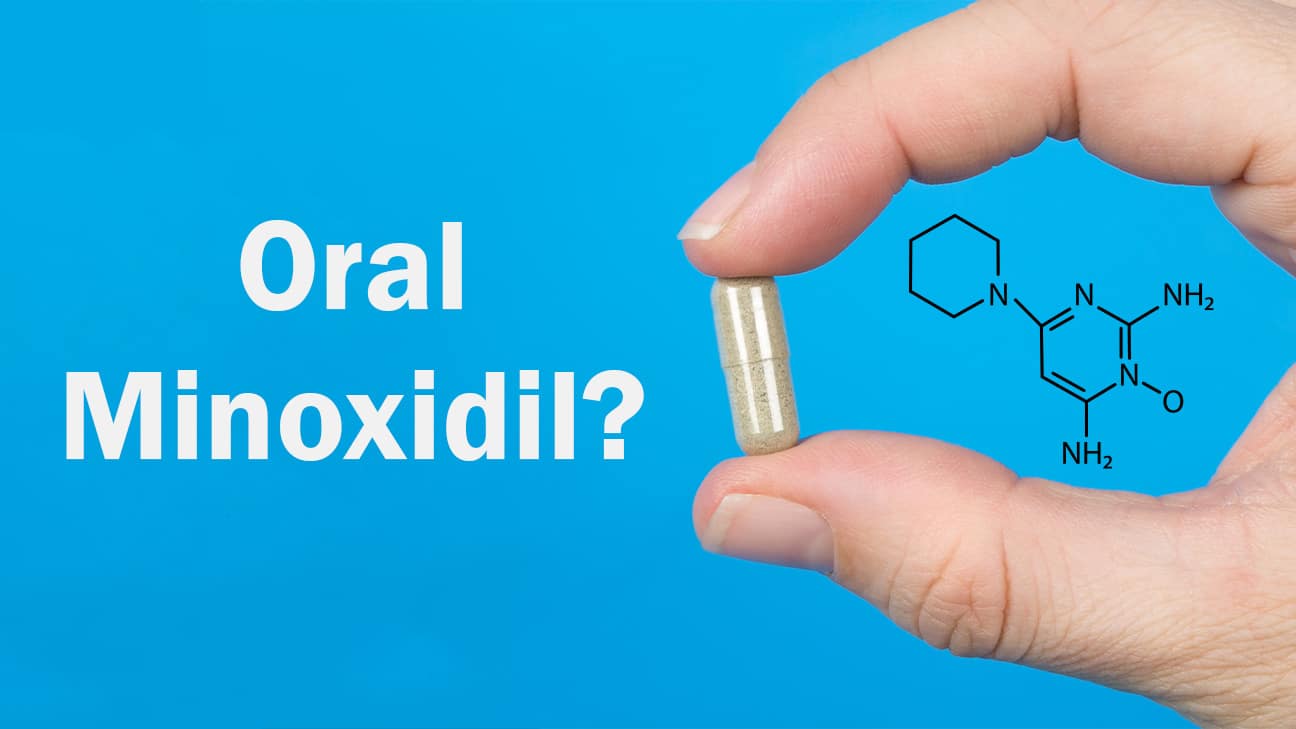 A few months ago The New York Times published an article about oral minoxidil called “An Old Medicine Grows New Hair for Pennies a Day, Doctors Say”. Since then there has been a significant increase in interest amongst our patients on taking a pill once a day instead of applying Rogaine (minoxidil) two times per day to the scalp topically. So, should you be using oral minoxidil instead of topical minoxidil?
Oral minoxidil is not automatically better than topical minoxidil for hair loss. The appropriate choice depends on the patient, including how well topical minoxidil is tolerated, whether it can be used consistently, medical history and the potential risks of oral treatment.
Over the past five years, low doses of oral minoxidil have been used ‘off-label’ and we occasionally prescribe it. While there is anecdotal evidence that minoxidil prescribed orally can help, the topical formulation is a well-studied, long-term treatment that has shown positive results.
Dr. Matthew Lopresti, Chief Surgeon of Leonard Hair Transplant Associates, suggests starting with the tried-and-true methods for hair loss: topical minoxidil (Rogaine), Finasteride (Propecia) and Platelet Rich Plasma with ACell (PRP). “We typically advise our patients to use the topical form of minoxidil over the oral because the medication seems to be as effective when used on the scalp and has fewer potential side effects,” said Dr. Matthew Lopresti. “However, if a patient cannot be compliant applying the topical minoxidil two times per day as instructed or develops a skin rash, then oral minoxidil may be considered as an alternative.”
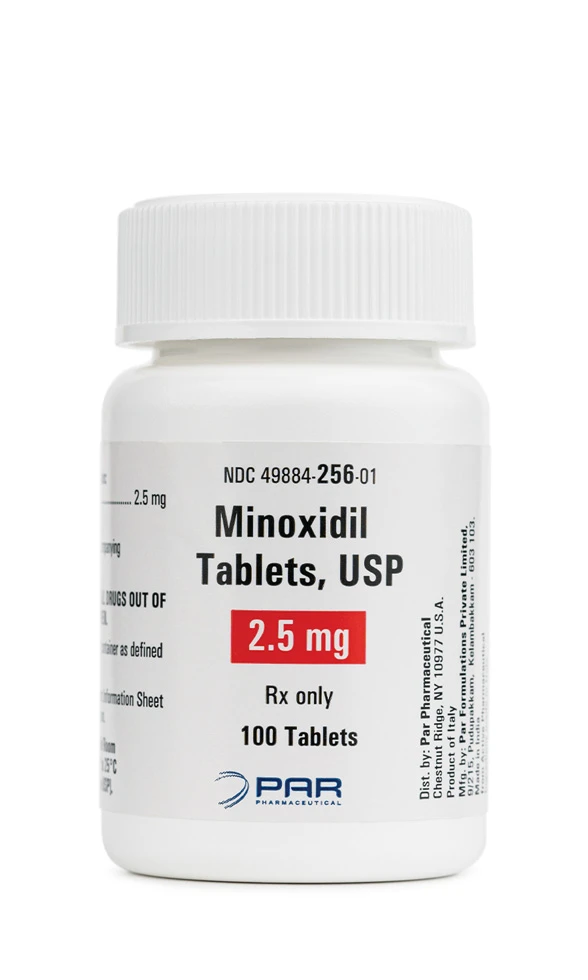 Topical minoxidil (Rogaine) is applied directly to the scalp and is available over the counter, but some patients find daily application inconvenient or experience scalp irritation. Oral minoxidil is a prescription medication increasingly used off label for hair loss. Clinical studies have evaluated its effectiveness for androgenetic alopecia, including comparisons with topical minoxidil. Because oral minoxidil is a systemic medication, potential side effects, medical history and individual patient factors should be considered before treatment.
Hair loss is progressive, which is why addressing it early can be important. For patients who have difficulty consistently using topical minoxidil, experience scalp irritation or have not achieved their desired response, oral minoxidil may be considered when medically appropriate. The appropriate treatment depends on the type and stage of hair loss, medical history and individual treatment goals.