


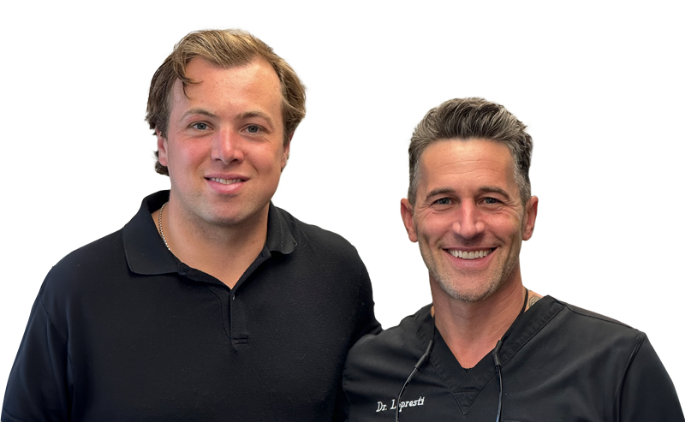
How to Slow Progressive Hair Loss
Hair loss can be progressive, particularly when it is caused by hereditary male or female pattern hair loss. While treatment cannot guarantee that hair loss will stop permanently, identifying the cause early may provide more options for helping maintain existing hair and managing further thinning.
For men and women with hereditary hair loss, follicles gradually become smaller through a process known as miniaturization. Over time, affected hairs can become finer, shorter and less visible. Because this process can continue, treating existing hair and restoring permanently lost hair are two different goals.
Can you stop hair loss from getting worse?
 Some non-surgical treatments can help stabilize or slow the progression of hereditary hair loss in appropriate patients. Depending on the individual, treatment may include medications such as finasteride or minoxidil, or PRP with ACell injection therapy.
The appropriate treatment depends on factors including the cause of the hair loss, age, pattern of thinning, medical history and whether the follicles in the affected area are still viable. No treatment works for every patient, and results cannot be guaranteed.
Why preserving existing hair matters
Hair transplant surgery can restore hair to areas of permanent hair loss, but surgery does not prevent non-transplanted hair from continuing to thin. For this reason, maintaining existing hair can be an important part of a long-term hair restoration strategy.
This is particularly important for younger adults whose hair loss may continue to progress for many years. A treatment plan should consider not only how the hair looks today, but also how future hair loss could affect the overall appearance.
When hair transplant surgery may be considered
When hair has been permanently lost and sufficient donor hair is available, hair transplant surgery may be an option for appropriate candidates. Dr. Matthew Lopresti performs both Follicular Unit Excision, or FUE, and Follicular Unit Transplantation, or FUT, depending on the patient’s individual needs and goals.
Surgical and non-surgical treatments serve different purposes. Non-surgical treatment is generally used to help maintain or improve existing hair, while hair transplantation redistributes permanent donor hair to areas where hair has been lost.
Finding the cause comes first
Not all hair loss is hereditary. Medical conditions, medications, hormonal changes, stress and certain forms of inflammatory or scarring alopecia can also contribute to hair loss. Determining the cause is an important first step before deciding how it should be treated.
At Leonard Hair Transplant Associates, Dr. Lopresti evaluates the pattern and progression of hair loss and discusses whether non-surgical treatment, hair transplant surgery or continued observation may be appropriate