


What Makes a Hair Transplant Look Natural?
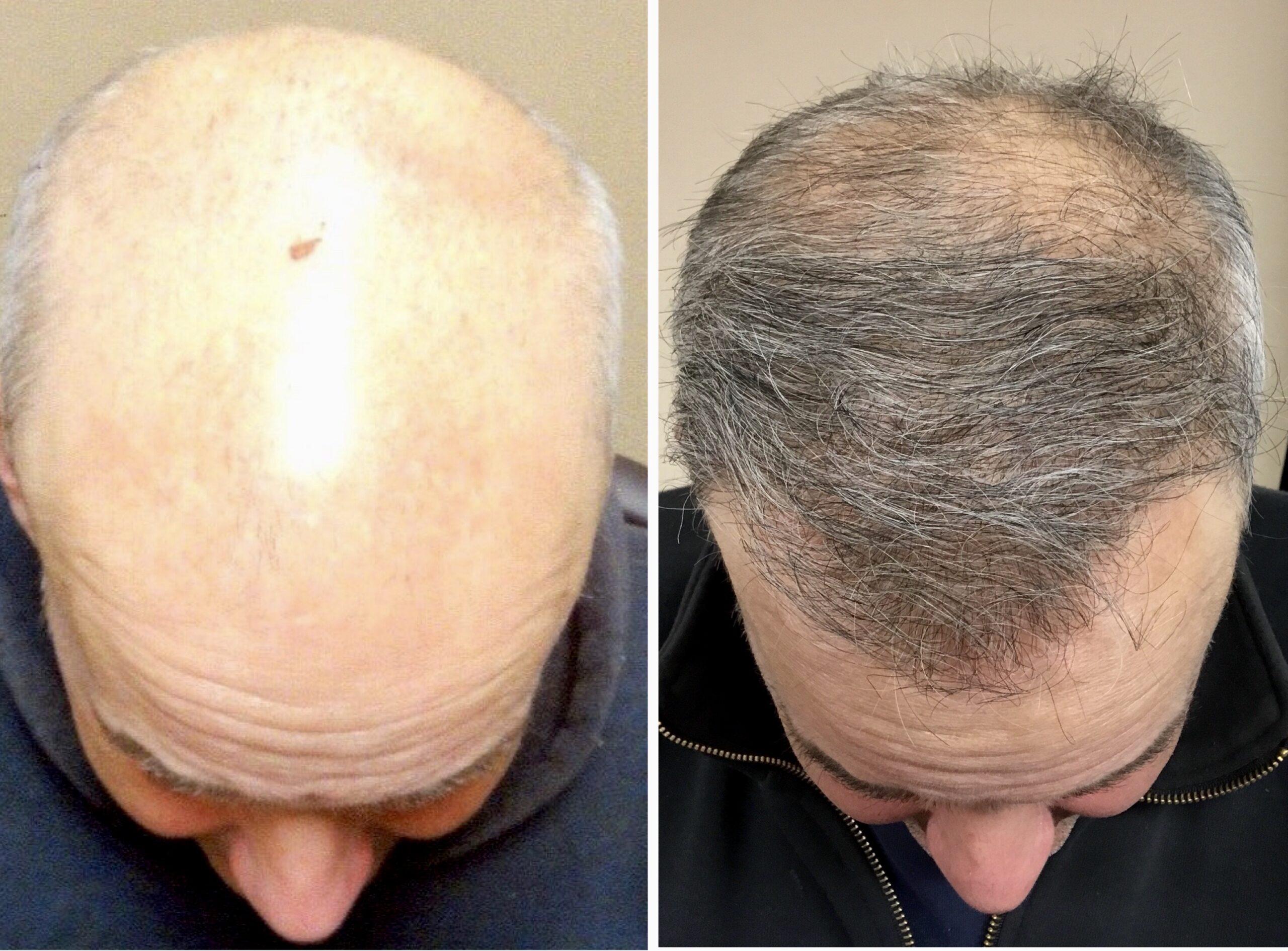 A natural looking hair transplant is not simply the result of moving healthy hair from one part of the scalp to another. The artistry comes from deciding where that hair should go, the direction and angle in which it should grow, how the restored area should complement the patient’s existing hair and how the result is likely to look years from now. Surgical technique matters, but technique without thoughtful design can still produce a result that does not look like it belongs.
That is why Dr. Matthew Lopresti approaches every hair transplant as an individual surgical plan rather than applying the same design to every patient. Age, pattern of hair loss, donor density, hair texture, hair color, existing growth patterns and the possibility of future hair loss all influence what can realistically be accomplished. The goal is not to create the most dramatic change possible on the day of surgery. It is to create a result that looks natural when the transplanted hair grows in and continues to make sense as the patient gets older.
What Makes a Hair Transplant Look Natural?
A natural looking hair transplant should blend with the patient’s existing hair so that the result does not call attention to the fact that surgery was performed. That begins with design. Where the restored frontal area begins, how it transitions into existing hair and how density is distributed can be just as important to the final appearance as the number of follicles transplanted.
A natural pattern is rarely perfectly straight or symmetrical because natural hair does not grow that way. Small variations in placement, direction and density help create a softer transition between transplanted and existing hair. When those details work together, people should notice the patient’s appearance rather than the procedure behind it.
Why Is Hairline Design Important in Hair Transplant Surgery?
Hairline design is important because the frontal area frames the face and is often the first part of a hair transplant people notice. A design that looks appropriate for one patient may look completely wrong on another. Facial proportions, age, existing hair, previous hair loss and the expected progression of future hair loss all need to be considered before the first follicle is transplanted.
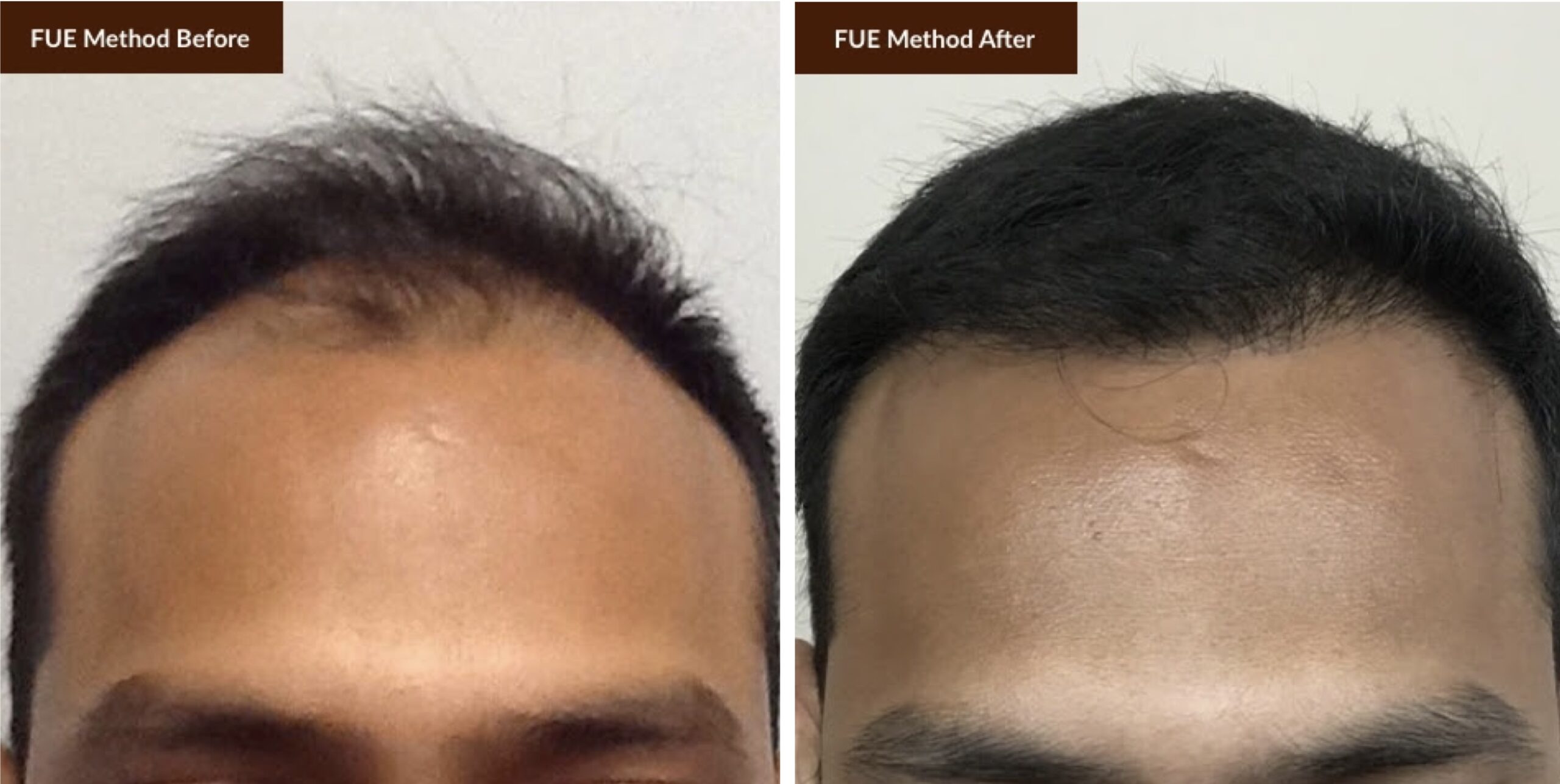 Before surgery begins, Dr. Lopresti meets with the patient while they are sitting upright and designs the recipient area using a washable marker. The patient has an opportunity to see the proposed design, discuss it with Dr. Lopresti and approve the plan before the procedure moves forward. A hair transplant is permanent, so the objective is not simply to recreate what someone remembers having at 18 or 20 years old. The design should complement the patient today while remaining appropriate years down the road.
Do the Angle and Direction of Transplanted Hair Matter?
Yes. The angle and direction of transplanted hair are critical because transplanted follicles should follow the natural growth pattern of the surrounding hair. Hair does not emerge from every part of the scalp at the same angle or point in exactly the same direction, and those subtle differences can have a significant effect on how the finished result looks.
This is where hair transplant surgery becomes more than a technical exercise. Each recipient site must be planned with the surrounding hair in mind. The goal is for transplanted hair to grow as part of the existing pattern rather than appearing separate from it. When the direction, angle and distribution work together, the finished result can be styled and worn much more naturally.
How Do Hair Type and Texture Affect Hair Transplant Results?
Hair type, texture, color and caliber can influence how much visual coverage a hair transplant creates and how the surgery should be planned. Straight, wavy, curly and tightly curled hair do not behave identically, and the relationship between hair color and scalp color can also affect the appearance of density.
Those differences are evaluated individually rather than assuming one surgical plan works for everyone. Dr. Lopresti considers the characteristics of both the donor hair and the existing hair in the recipient area when determining how transplantation should be approached. You can read more about this in our guide to hair transplants for different hair types and textures.
Why Does Donor Hair Matter to Hair Transplant Artistry?
Donor hair matters because it is a limited resource, and using it intelligently is part of creating a natural result that can stand the test of time. The donor area typically contains hair that is more resistant to the genetic process responsible for common pattern hair loss. Whether Follicular Unit Excision (FUE) or Follicular Unit Transplantation (FUT) is used, that donor hair must be planned carefully rather than viewed as an unlimited supply.
This becomes especially important for someone with progressive hair loss. Creating an aggressive design today without considering what may happen to the surrounding nontransplanted hair tomorrow can leave fewer options in the future. Good surgical planning considers the hair a patient has now, the donor hair available for transplantation and the possibility that additional areas may need attention later.
Is FUE More Natural Looking Than FUT?
Neither FUE nor FUT is automatically more natural looking because the technique used to obtain donor hair does not by itself determine how the transplanted hair will look in the recipient area. Both methods provide follicles that are then carefully placed according to the surgical design. The appropriate harvesting technique depends on factors including the patient’s donor area, hair characteristics, goals and long term surgical plan.
FUE removes follicular units individually from the donor area, while FUT removes a narrow strip of donor tissue that is then prepared for transplantation. The artistry comes into play when those follicles are used to create a result that complements the patient’s existing hair and appearance. You can explore both techniques and the overall procedure on our hair transplant surgery page.
Why Does Future Hair Loss Matter When Designing a Hair Transplant?
Future hair loss matters because transplanted hair can remain while the patient’s surrounding nontransplanted hair continues to thin. A design that looks natural when the transplanted hair grows in also needs to account for what could happen if hair loss progresses five, ten or more years later.
Age, family history, existing pattern of hair loss, donor hair and the stability of surrounding hair can all become part of that discussion. This is one reason an honest consultation matters. Sometimes the better surgical plan is not to chase every area of thinning or create the lowest possible frontal design. Restraint can be every bit as important as what is added.
Is Hair Transplant Surgery an Art or a Science?
Hair transplant surgery is both. The science makes it possible to relocate permanent donor hair, while surgical planning and artistry determine how that hair is used to create a natural looking result. One without the other is not enough. A technically successful transplant still has to suit the individual wearing it.
At Leonard Hair Transplant Associates, Dr. Lopresti performs FUE and FUT hair transplant surgery for patients from Boston and throughout New England. A hair transplant consultation allows him to evaluate your hair loss, donor area and hair characteristics and discuss what can realistically be achieved.
The best work does not need to explain itself. A natural hair transplant should look like your hair, not someone else’s idea of what your hair should be.