


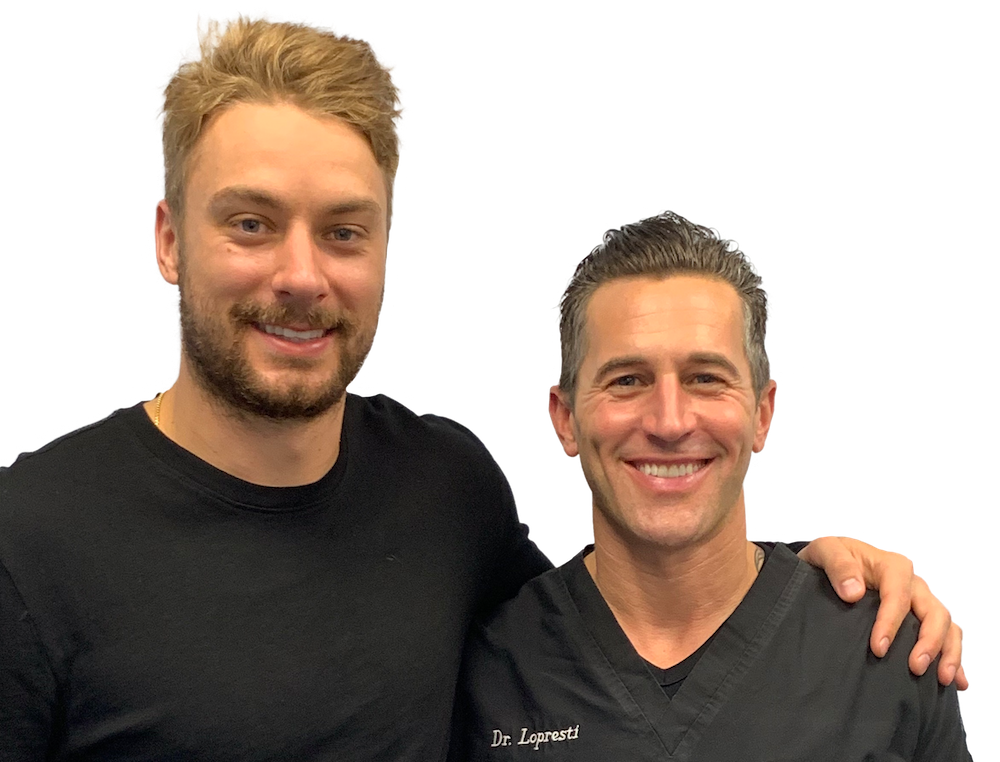
Hair Transplant Surgery in the Summer Do’s and Don’ts
Yes, you can have hair transplant surgery during the summer, but you need to protect your scalp from the sun and follow your surgeon’s postoperative instructions before returning to swimming, strenuous exercise and other summer activities.
For patients considering a hair transplant in Boston or elsewhere in New England, summer can actually be a convenient time for surgery. Teachers, professors, students and anyone with planned vacation time may have more flexibility for the early recovery period. The season itself is not the issue. What you do after the procedure matters.
Can You Go Outside After a Hair Transplant in the Summer?
 Yes, you can go outside after a hair transplant, but protecting the healing scalp from prolonged sun exposure is important.
A loose-fitting cap can typically be worn immediately after surgery. Other hats and helmets should generally wait until approximately two weeks after the procedure. Patients should follow the specific postoperative instructions provided by Dr. Matthew Lopresti and the surgical team based on their procedure and recovery.
Summer in Boston and New England can mean long days outside, weekends on Cape Cod, golf, boating or simply spending more time in the sun. Having a hair transplant does not mean giving up your summer, but the first part of recovery is not the time to test how much sun your scalp can handle.
Can You Exercise After a Summer Hair Transplant?
Most patients can typically return to mild exercise about four days after hair transplant surgery, while heavy lifting and more strenuous activity should generally be avoided for approximately two weeks.
That means your normal summer routine may need a brief adjustment. Running, weight training, recreational sports and other strenuous activities should be resumed according to the postoperative instructions provided by the surgical team.
A few quiet days now are a small investment in something designed to last much longer than the summer.
Can You Swim After a Hair Transplant?
 Do not assume that being on vacation means your scalp is ready for the pool or ocean.
Swimming after hair transplant surgery should be resumed only according to the postoperative instructions provided by Dr. Lopresti and the surgical team. Pools, oceans, lakes, sun exposure and the physical activity that often comes with swimming all need to be considered while the donor and transplanted areas are healing.
If you have a beach or pool vacation planned shortly after surgery, discuss those plans before your procedure so you know what activities will need to wait.
When Can You Shampoo Your Hair After Surgery?
Patients can typically begin shampooing their hair 48 hours after hair transplant surgery.
For the first three days, lower water pressure should be used and patients should follow the specific washing instructions provided after surgery. Keeping the donor and recipient areas clean is an important part of the healing process.
Will a Summer Hair Transplant Be Grown In by Fall?
No. A hair transplant performed during the summer should not be expected to produce its final cosmetic result by fall.
Hair transplantation requires patience. The transplanted area generally continues healing over the first several months, with early new hairs typically beginning to emerge around five to six months. More meaningful cosmetic improvement generally develops around nine to twelve months, while final growth and maturation can take approximately 16 to 18 months.
The calendar may say summer when you have the procedure. Your transplanted hair operates on its own schedule.
Is Summer a Good Time to Have a Hair Transplant in Boston?
Summer can be a good time to have a hair transplant if the timing works with your schedule and you are prepared to follow the postoperative restrictions.
The better question is not whether July is better than January. It is whether you are an appropriate candidate for surgery, which technique is right for your hair loss and whether you can give the procedure the recovery time it deserves.
At Leonard Hair Transplant Associates, Chief Hair Restoration Surgeon Dr. Matthew Lopresti personally performs both Follicular Unit Excision (FUE) and Follicular Unit Transplantation (FUT). Hair transplant surgery is performed at the practice’s surgical locations in Newton, Massachusetts and Warwick, Rhode Island, with complimentary consultations also available for patients considering their options.
Summer comes back every year. Your donor hair does not.
If you are considering hair transplant surgery, schedule a complimentary consultation with Leonard Hair Transplant Associates to learn whether FUE or FUT may be appropriate for your hair loss and long-term goals.
Dr. Robert Leonard
Founder, Leonard Hair Transplant Associates